



Külm sõda
Nõukogude okupatsioon, Taastatud iseseisvus

Aukstais karš (an. Cold War, vc. Kalter Krieg, fr. Guerre froide, kr. холодная война) – naidīga politiska un ekonomiska pretstāve 20. gs. otrajā pusē starp PSRS un tās satelītzemēm no vienas, un Rietumu valstīm no otras puses.
Tiek datēts ar 1946. gada 5. martu, kad bijušais Lielbritānijas premjerministrs Vinstons Čērčils, uzstājoties ar runu Fultonā (ASV), postulēja, ka ideoloģisko pretrunu dēļ Eiropu sašķēlis “dzelzs priekškars” starp PSRS okupēto zonu un pārējo Eiropu. Turpmāk apzīmējumu “dzelzs priekškars” lietoja kā robežšķirtnes apzīmējumu starp PSRS ietekmes sfēru un Rietumu valstīm visā pasaulē. ASV un PSRS savstarpēji sacentās, izraisot vai piedaloties militāros konfliktos dažādās pasaules malās, veidojot sev satelītrežīmus, meklējot jaunus sabiedrotos, sacenšoties ekonomiski un politiski, kā arī apmainoties ar savstarpējiem pārmetumiem, lai palielinātu savu, mazinot pretējās puses ietekmi.
Šī pretstāve uzturēja vispārēju politiskās destabilizācijas sajūtu pasaulē līdz pat 1980. gadu beigām. kad PSRS ekonomika neizturēja sacensību un sabruka.

Rohkem teabeallikaid
Kā un kāpēc sākās Aukstais karš? / Raksts (lsm.lv)
Aukstais karš — Vikipēdija (wikipedia.org)


Seotud ajajoon
Seotud objektid
Ventspilsi 46. rannakaitsepatarei tulejuhtimistorn
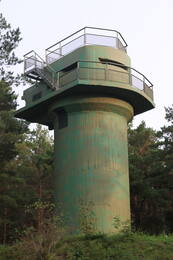
46. rannakaitsepatarei taastatud tulejuhtimistorn asub Ventspilsis Saulrieta tänaval ja on külastajatele avatud vaatetornina. Torn koos selle juures asuva nelja suurtükipositsiooniga on ainus nii hästi säilinud Teise maailmasõja aegne rannakaitsepatarei Lätis. Torni välisplatvormile viib trepp ja sealt avaneb vaade merele. Torni kõrvale on paigaldatud infostend, millel asuva QR-koodi abil saab vaadata animatsiooni ajaloosündmustest. Torni juurde on rajatud uus tänav, suur parkla ja laudtee üle looduskaitseala.
See sõjaväekompleks ehitati 1939. aastal, mil NSVL hakkas Lätti rajama oma sõjaväebaase. 46. rannakaitsepatareil oli neli positsiooni suurtükkidele Б-13. Patarei osales esimest korda lahingus 24. juunil 1941, kui Ventspilsi sadamat ründasid Saksa sõjalaevad, mille patarei Läänemere kaldalt eemale tõrjus. 28. juunil 1941 lasi Nõukogude armee suurtükid õhku.
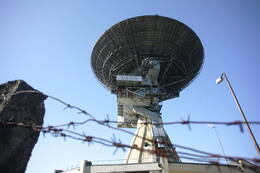
Zvaigznīte - Irbene militaarhooned
See 200 hektari suurune ala oli kunagi ülisalajane sõjaväebaas, kus asus sõjaväeüksus 51429.
Nõukogude piirivalvetorn Pāvilostas
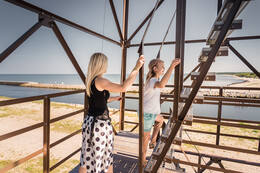
Nõukogude piirivalvetorn asub Pāvilosta lõunapoolse muuli lähedal. Nõukogude piirivalve kunagine vaatlustorn, mida alates 1990. aastate algusest enam ei kasutatud, on nüüd muudetud vaateplatvormiks, millel asub 360 kraadi pöörlev maismaateleskoop. Sealt avanevad ilusad vaated merele ja laevadele ning seal võib vaadelda linde. Torni on lubatud ronida ainult suveperioodi valgel ajal. Kuna torni trepid on üsna järsud, peavad külastajad hindama oma võimeid, tervislikku seisundit ja võimalikke riske. Vaatetornis ja selle ümbruses on videovalve. Talvel on torn külastajatele suletud.
Collection of Soviet Military Vehicles
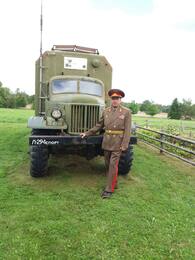
Edgars Kārklevalks owns a guest house called Pūpoli in the Dundaga region, and for more than 15 years he has been taking people on historical and educational trips around northern Kurzeme (including to former military areas) with his own renovated Soviet Army truck GAZ-66 (up to 24 persons) and UAZ-3151 (up to 6 persons). Soviet Army trucks and other equipment are showcased in an area around the guest house.
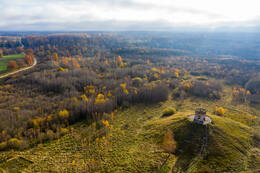
Soviet Army Observation Tower (Kurgan of Officers)
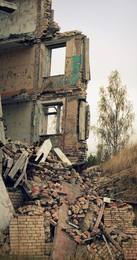
The "Officers' Kurgan" is located less than a kilometre from the ruins of Zvārde Church. The Kurgan is made of the ruins and remains of the surrounding houses and manor house, which have been bulldozed together. An observation tower was built on the kurgan. According to the inscription, the present tower was built in 1981. The tower was used to record bomb hits. The training bombs had a reduced explosive content, so their hits had to be watched more carefully. Unexploded bombs were neutralized immediately, but not all could be found.
The remains of the tower can be seen here today - the brick walls. As the barrage is relatively high, you can even see the Lithuanian oil refinery in Mažeikiai on a clear day.
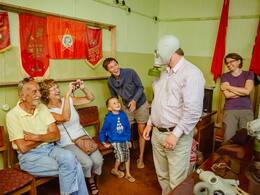
Secret Soviet Bunker in Līgatne
Located in Līgatne parish, Cēsis municipality, the Soviet Secret Bunker lies 9 metres below the Līgatne Rehabilitation Centre building and its adjacent territory. The bunker is open to visitors and offers guided tours, meals in the bunker canteen, Soviet-style parties and the reality game Object X. The purpose of the bunker was to provide the minimum necessary conditions for long-term work for the Council of Ministers of the Latvian SSR, the leadership of the Communist Council of the LSSR and the management of the LSSR state planning committee in the event of a nuclear war threat. The 2,000-square-metre underground bunker was the strongest autonomous structure with all the required and most state-of-the-art equipment of the time, and also one of the most strategically important sites in Soviet-era Latvia in the event of a nuclear war. The site has a protected underground workspace (shelter), a sanatorium-type sleeping block for 250 people, security facilities and a 24-apartment residential house for service staff. All of the authentic underground equipment and plans have been preserved to this day. Highlights include an autonomous power plant with diesel generators and fuel storage, conditioning equipment for air purification with oxygen reserves, water supply and sewerage equipment operating on the submarine principle, a telecommunications unit capable of providing direct contact with the Kremlin in Moscow and autonomous communications with all major services in the country, a unique map with historical names of collective farms, an authentic canteen with typical Soviet-era meals, as well as various Soviet-era attributes and household items.
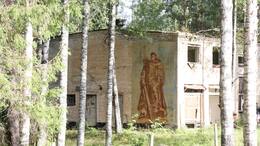
Missile Base of the Soviet Army in Zeltiņi
The former Soviet Army Missile Base is located in Medņukalni, Zeltiņi parish, Alūksne municipality. This nuclear missile base was a particularly secret military facility of the Soviet Army, and it operated in Zeltiņi, Alūksne municipality, from 1961 to 1989. The facility housed P-12 (8K63) and P12Y (8K63Y) surface-to-surface medium-range ballistic missiles with 4 launch pads. Their travel distance was 2,200 kilometres. During this period the army used barbed-wire to secure an area of about 300 ha less than a kilometre from the Sinole-Silakrogs P34 national regional highway. The living and top-secret areas have remained a legacy even today. Concrete roads lead to places hidden from the eye at that time: hangars, launch pads and bomb shelters. Various structures for the maintenance and servicing of nuclear missiles are located on an area of dozens of hectares. Facilities providing the area with the autonomous supply of power, water and heat were destroyed with the withdrawal of the army. After the army left, some of the equipment was handed over to the local municipality. Visitors currently have access to 20 ha of the former territory of the missile base, the south-western part of which is a tourist attraction. Tourists visiting the base can choose between the core exhibit about the history of the missile base, which is located in the Zeltiņi Museum, and a tourist route in the base area. Friends in a group of up to 12 people can enjoy a game of laser tag here.
“Soviet Years” Exhibition at Aizkraukle Museum of History and Art
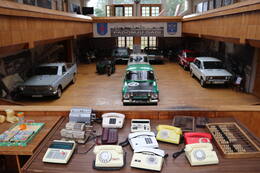
In November 2018, to celebrate the centenary of Latvia, the “Soviet Years” exhibition was opened at Aizkraukle Museum of History and Art – the largest exhibition in the Baltic states dedicated to the cultural and historical heritage of the 1950s–1980s. The exhibition is spread over three floors in an area of 1,060 m2. It reflects Soviet life in its multiple facets: everyday life, work and leisure, education and culture. Soviet-era cars are on display on the ground floor.
A separate library – the Red Corner has been set up. A wide-ranging exhibition invites visitors to explore everyday life and apartment interiors during the Soviet era – furniture and household items, tableware, textiles and electrical appliances.
Other exhibition spaces are dedicated to emigration, Soviet repressions, everyday life, medicine, state structures, tourism and sport, childhood and education. Soviet military paraphernalia and uniforms are also on display among various exhibits.
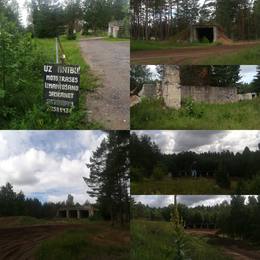
Former Soviet army missile base "Raketnieki"
The former Soviet army base buildings are in a state of disrepair, but there is a motor track on the site. The area can be explored on foot, but good footwear against mud and sand is required.
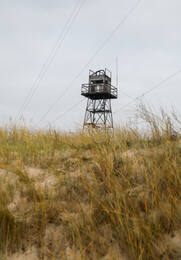
Soviet border guard post in Jūrmalciems
After the Second World War, Latvia had various prohibitions in border and coastal areas. From 19 June 1945, fishermen were assigned piers, which were fenced off with barbed wire, guarded by patrols and watchtowers. On 4 September 1946, the prohibited coast guard zones on the Western border of the LSSR were introduced.
In Jūrmalci village there is a former border guard control post, a tower and a tractor proudly rocking on the beach! How it got there is something to ask the local guides!
A fabulously beautiful and interesting place - both with its Soviet-era aura and the charm of the seashore.
Olman Battery No.456 (Soviet military base "Krasnoflotska")
The first coastal defence batteries for the defence of the Irbe Strait were built after 1912, when the Baltic Fleet Mine-Artillery Defence Position Plan was approved, which included several coastal defence batteries and sea mine-laying.
The Irbe Strait position was the furthest south, and its task was to block any enemy access to the Gulf of Riga. The main emphasis was on sea mines, tens of thousands of which were laid in the Irbe Strait during WWI by ships of the Baltic Fleet. It was not until 1916 that coastal defence batteries began to be built on the southern tip of the island of Saaremaa, Cape Sorve. Seven batteries were built in total, and Battery 43 was equipped with 305 mm guns. No defence batteries were built on the Latvian coast of the Irbe Strait.
Even after the establishment of the Republic of Latvia, the Latvian army and navy did not establish artillery positions to defend the Irbe Strait.
The situation changed after the mutual assistance pact between the Republic of Latvia and the USSR of 5 October 1939, which provided for a contingent of the Red Army and the Baltic Naval Fleet to be stationed in Kurzeme. Soviet plans also included the establishment of a coastal defence system based on the 1912 plan, with improvements. The plan was to build coastal defence batteries on the site of the Liepaja fortress, with new batteries south of Ventspils (Battery No 46) and two batteries in the narrowest part of the Irbe Strait near Mikeltornis. Already after the occupation and annexation of Latvia, the coastal defence plans of the Baltic Navy were supplemented and by June 1941 the 207th Artillery Division with five batteries was planned to be established in the northern part of Kurzeme. Two batteries were to be set up in the vicinity of Mikeltornis - Battery 40 at Lūžņa with 130 mm B-13 guns in reinforced concrete fortifications, and Battery 117 at Olmani (a place designated on Latvian army maps as Ķesteri) with 152 mm MU-2 guns. As the development of the 152 mm guns was not completed, temporary wooden platforms were built on the reinforced concrete fortifications of the battery and four more 130 mm guns were installed. Both batteries were completed by June 1941, but the batteries could not be traced in the war against the German 291st Infantry Division, and their crews moved to the island of Saaremaa.
At the end of WWII, the German Army Group "Courland" was quite serious about possible Soviet landings in northern Courland, especially after the ice melted in the Gulf of Finland and on the west coast of Estonia. Improvised coastal defence batteries were deployed all along the Kurzeme coast. The Soviet Battery No 40, Gerate Batterie Sommer of the 289th Artillery Division with two 122 mm Soviet howitzers, was stationed in reinforced concrete positions near Luzhne. In the area of Battery 117's position was Battery 2 of the 530th Artillery Division with three 152 mm Soviet trophy guns, three 37 mm zenith drones, one 20 mm four-barrel zenith drones, two 75 mm anti-tank guns and two mortars for illumination.
After the end of active hostilities in May 1945, the USSR began to rebuild the coastal defence system on the Kurzeme coast. In the autumn of 1945, a temporary Battery 456 with 152 mm guns of the Kane system was deployed near the Olmaņi farm, which was renamed "Krasnoflotskaya".
In 1952, the temporary guns of the battery were replaced by the latest 152 mm MU-2 weapon systems. The battery consisted of four reinforced concrete gun emplacements, a reinforced concrete command post with a range-finder turret and technical buildings. The construction of the battery was completed in 1958.
In 1958, after the dismantling of the Lūžņa coastal defence battery, it was replaced by a mobile 130 mm SM-4-1 gun Battery No 343. The mobile guns did not have reinforced concrete gun emplacements, but several log and sand structures were built.
Battery 343 operated until the early 1960s, and Battery 456 until 1975, when it was preserved. The battery positions were used to deploy S-125 air defence missile complexes, as well as the 10th Coastal Defence Artillery-Missile Regiment with CP-2 Sopka missile complexes, and the infrastructure was modified accordingly.
The Soviet Army transferred the infrastructure of the Olmaņi and Lūžņa batteries to the Republic of Latvia in 1993.
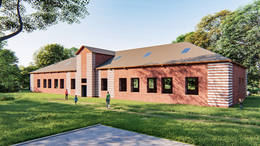
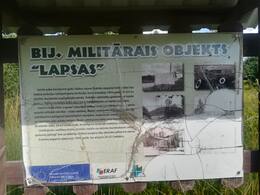
Zvārde shooting range and former Soviet military base "Lapsas"
The landfill's service base is located approximately 2 kilometres east of Striķu Manor, on the Saldus-Auce road. The former Soviet Military Aviation Target Range (military unit No 15439) in Zvārde is located south of Saldus. The territory of the airfield is home to several sights - the ruins of Zvārde and Ķerkliņi churches, the ruined Rīteļi cemetery, the observation post of the airfield, the so-called "Officers' Kurgan" and the former airfield personnel base and shooting range "Lapsas".
The Zvārde air target range required a unit of approximately one company to service the air target range - to install targets, repair damage, guard the air target range and coordinate air flights. It was based on the site of the house called "Lapsas" until the Second World War. With the construction of the airfield, barracks, transport sheds, a flight control tower and a firing range for training personnel were built.
After Latvia regained its independence, the Zvārde Defence Forces Training Centre operated here, but since 2007 the site has been owned by the municipality and leased by several hunting collectives. The former barracks house an exhibition on the history of Zvārde parish.
Akmeņrags Lighthouse and the fate of the "Saratov"
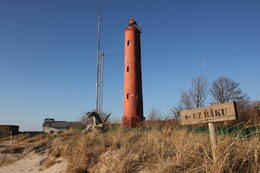
The Akmeņrags Lighthouse is located in Saka parish, 10 kilometres southwest of Pāvilosta. The top of the lighthouse can be reached by a spiral staircase and it offers views of the sea and the surrounding forests. Standing at 37 metres high, the current lighthouse tower was built in 1921, while the previous lighthouse was destroyed during World War I.
The Akmeņrags Lighthouse stands out among other lighthouses in Latvia, as it is located in one of the most dangerous places for sailing in the entire Baltic Sea coast. The signal beam of the lighthouse marks a rocky bank, which extends approximately two nautical miles or 3.7 kilometres into the sea in a north-western direction. The depth of the bank is just over two metres. The location of the lighthouse has remained unchanged, but the coastline has been receding over the years. Although a navigation light has been here since 1879, Akmeņrags has seen several shipwrecks. The most notable occurred in September 1923 when a Latvian steamer named Saratow struck the ground. In 1919, Saratow briefly served as the seat of the Latvian Provisional Government. Akmeņrags used to be home to a border guard post, and buildings of the Soviet Army are can be viewed here.
Soviet army military base in Pāvilosta - active recreation centre
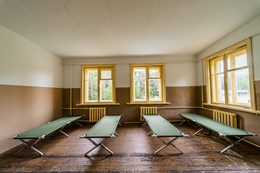
During the Soviet era, a border guard unit was located here, other Soviet army units - liaison officers and a surface-to-air missile base were located several kilometres away in the forest. After independence, the Latvian army was stationed there.
The former Soviet army military base is now a recreation, leisure and camping centre - for personal development in interaction with nature and the people around.
A place for recreation and accommodation for both tourist groups and families. Rooms, showers, WC, fireplaces, spacious area for activities, sounds of nature. Book in advance by calling +371 26314505.
Mežgarciems - Open-Air Exhibition of Soviet Military Town
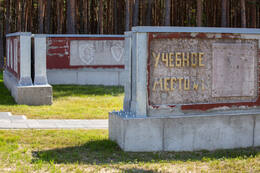
The former Soviet Army town is located in Mežgarciems, Ādaži municipality, near the P1 highway. It was a small town inhabited by the air defence units of the Soviet Army and used as a military training base. Informative stands have been placed near the town. The former army base area is available to visitors. Mežgarciems did not exist on the maps during the Soviet occupation. And there was nothing to suggest that there was a small town built for the Soviet military with air defence capabilities. Wide-spread construction of Soviet Army stations was rapidly started in the territory of Latvia after World War II. And these army bases were like separate states within the country. There were military units almost in every location in Latvia. An especially privileged part of the society was the retired USSR military personnel and their families, who were entitled to living space as a matter of priority. Many chose Latvian cities, because the standard of living here was higher than elsewhere in the Soviet Union. The presence of the Soviet Army in Latvia was characterised by criminal behaviour, imperialistic attitude and impunity, demonstrating the regime’s indifferent attitude towards Latvia and its people. And the carefully maintained myth of the happy life in Soviet Latvia and the Soviet Army as the liberator was actually like living on a powder keg.
North Pier and Battery No.3 in Karosta
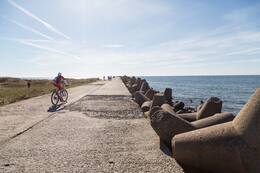
The longest pier in Latvia - the Northern Pier - was built at the end of the 19th century as a very important part of the Liepaja Sea Fortress and military port. The length of the pier is 1800 metres, the width - 7.35 metres.
The Northern Pier is one of the first port structures of Emperor Alexander III, built between 1890 and 1892 before the excavation of the Karosta Canal. Together with the North Breakwater, the South Breakwater and the South Pier, the pier formed the outpost of Liepaja.
Liepaja Fortress Battery No 3 was located next to the North Pier of the Karosta and was planned to be the largest in terms of armament. Platforms were built for four 6-inch (152 mm) guns of the 1892 model of the Canet system, five 11-inch (280 mm) guns of the 1887 model and two 57 mm Nordenfeld anti-tank guns, as well as 18 9-inch (229 mm) guns and mortars.
Today, Battery 3 is most affected by the prevailing south-north sea current, which creates a whirlpool effect behind the North Pier, resulting in the washouts of the gun platform foundations.
The North Pier protects the Liepaja harbour area from North Westerly winds. It is a favourite place for residents and visitors to Liepaja to watch sunsets, fish and watch the sea in different weather conditions. Especially spectacular during storms.
There is ample parking at the North Pier. There are also restrooms and a café with a unique sea view.
Karosta Military Prison
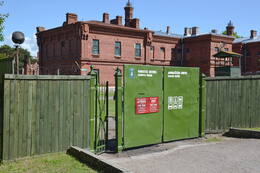
Karosta Prison is a unique historical and tourist attraction in Liepāja, allowing visitors to learn about the more than century-old history of the military prison and the fates of those imprisoned there. The building was built around 1900 and served as a place of disciplinary punishment for military personnel until 1997.
From the very beginning, it has been a gloomy place for breaking people's destinies and suppressing free spirits. Various unexplained phenomena have been observed in the prison - knocking footsteps, electric bulbs unscrewing themselves, closed cells opening, and apparent images appearing in the corridors.
Today it is an important cultural and historical object that allows you to get to know the military history of Latvia and preserves memories of people's destinies at different stages of history. This is not an ordinary museum tour - it is a story about people's destinies and the harsh reality of history. During the tour, you have the opportunity to see the prison, which has remained almost unchanged since the times of the Tsar. Hear stories about the history of Karosta and unusual events from the daily lives of prisoners. Enter the cells and the solitary confinement, looking into the darkest places of the prison. Get to know the exhibitions about World War II, the Kurelians and the Soviet era.
Karosta Prison is not just a tourist attraction – it is a living witness to history.
Exhibition of historical evidence from the USSR period at the Tirza Parish Local History Museum
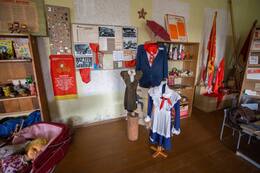
The exhibition, located in the former collective farm dispatcher's room, was opened in 2005. Visitors are invited to experience the atmosphere of the USSR in interactive classes: discussing the Soviet period, creating legends about historical evidence, participating in choir singing, dancing "letkis", making paper airplanes and chlapushkas, thus surviving a break at school, as well as enjoying kilavu buns and linden flower tea.
Stories and historical evidence about traditions, ancient crafts, and outstanding local people.
Please book your visit in advance!
Adults: 2.00 Eur
Students, pensioners: 1.00 Eur
Guided tour for up to 6 people (1-1.5 hours): 6.00 Eur
Guided tours for more than 6 people (1-1.5 hours): 1.00 Eur per person
Monument to the dead fishermen and sailors and US airmen
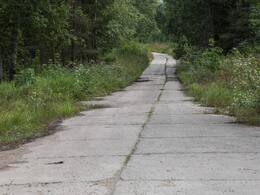
250 metres south-west of Battery 6 is the Monument to Fishermen and Sailors, with a plaque to the US Navy PB4Y-2 Privateer scout plane shot down off Liepaja on 8 April 1950. The aircraft, nicknamed Turbulent Turtle, was part of Patrol Squadron 26 and took off from Wiesbaden airfield in the early hours of 8 April and, via Copenhagen, set off on a surveillance and possibly radio reconnaissance mission. According to the order, the aircraft could not approach closer than 20 nautical miles to the Kurland coast, but for some unknown reason it flew into the USSR's self-defined 12 nautical mile zone. Two La-11s of the Soviet 30th Guards Fighter Regiment intercepted and shot down the unarmed reconnaissance aircraft. The fate of the 10-strong crew of the downed aircraft is not known with certainty; there is conflicting information that all were killed or, alternatively, that some of the pilots survived and ended up in prisoner-of-war camps.
The crew:
AT1 Frank L. Beckman
AL3 Joseph J. Bourassa
ENS Tommy L. Burgess
AD 1 Joseph H. Danens
LT John H. Fette
CT3 Edward J. Purcell
LTJG Robert D. Reynolds
AN Joseph N. Rinnier
LT Howard W. Seeschaf
AD 1 Jack W. Thomas

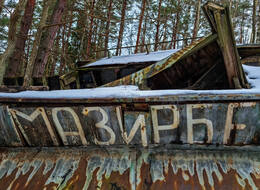
Mazirbe boat cemetery
Mazirbe, historically known as the largest Liv centre, is notable for the only fishermen's boat cemetery on the Latvian coast. It was built in the 1960s, the last boats were brought in 1976. The boats ended up here as a result of both fishing restrictions and age.
Today, Mazirbe has less than ten wrecks of fishing boats, but historically there have been many more. Boats have been laid to rest in other seaside villages, but it is in Mazirbe's boat graveyard that this is most evident today.
The Mazirbe Boat Cemetery is the only one of its kind on the Latvian coast.
Barta missile base
Paplak Regiment. Barta - South, Barta - North. The base has been destroyed by man and nature. The buildings are taken back by the forest, the missile transport trucks and the missile hangars themselves are demolished. The communication centre has also been destroyed and most of the metal launch platforms have been dismantled.
According to official information, the following Soviet army units were located in the municipality of Barta:
49028 - 279. BKF naval transmitting centre
25026, 49393 - 30th BKF ship missile and nuclear warhead depots
49281 - Communications Department
20480 - 523rd Communications Centre Sub-unit
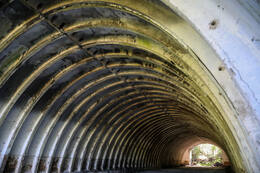
1994, leaving Latvia (The last military personnel to leave Latvia, the Barta missile base equipment, left the port of Liepaja on 31 August 1994.), submitted by the North-Western Troops Group of the Russian Federation. During the survey of the Barta missile base area, we also found the launch sites of the R-5M (8K51M) ballistic missile (NATO classification - SS-3 Shyster) with its adjacent command bunkers. The R-5M (8K51M) missiles with nuclear warheads were the first to be deployed by the occupying forces in Latvia in 1954, in the Barta forest of the Liepāja district. By decision No 700-330 of the Ministry of Defence of the USSR of 2 July 1985 (!), 2 623 hectares of land were allocated to troop unit No 42341 (50th Rocket Army in Smolensk, k/d 55135) in the Barta Forest. Two divisions of the 117th Rocket Regiment are stationed there. Each division has 4 missiles. On 18 September 1959, the Army requests a further 385,25 ha for five sites near Barta Brienampurva. Gravel for the construction of the base and for filling and camouflaging the hangars was brought from the nearby Krute quarry. Farmers are evicted from the houses of Kalnāji, Placēņi, Purviči, Zemturu, Purvu, Knīpupju, Mazturu, Birzmali in the municipality of Barta. The losses for the liquidation of 8 farms shown in the archive documents are only 154 711 roubles. All the constructions of the bases were taken to Barta only at night, so that nobody would see them. But the inhabitants of Barta have always known: when the army starts grading the roads, they will be carrying something.In 1968, the surface-launch rocket divisions of Barta were disbanded. The modernised shaft rockets (R-12 and R-14) are not deployed in Barta because the site is located in a marshy area.
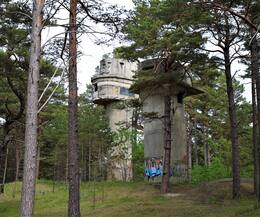
Rangefinder No.2 of the 23rd Shore Battery (1954)
The rangefinder (dated 1954) is located in the pines of a dune 10m away from the 1941 rangefinder. The gun positions of the 1st and 2nd guns of the shore battery are located on the seafront and partially eroded, while the gun position of the 4th gun is best seen in the dunes.
Liepaja Fortress Battery 2 was planned to be built further from the shoreline and protected by a high rampart. The armament of the battery was to be 16 11-inch (280 mm) mortars of the 1877 model. The mortars used steep trajectories and did not require direct aiming.
Following the 'base agreement' between the Republic of Latvia and the USSR, signed on 5 October 1939, a contingent of nearly 25 000 Red Army and Baltic Navy troops was to be stationed in Kurzeme. By March 1941, Baltic naval bases were established in Latvia in the defence sectors of Irbe Bay, Saaremaa and Liepāja, consisting of coastal defence batteries.
The Liepaja coastal defence sector included the 208th artillery division with two 130 mm B-13 gun batteries (No 23 and No 27) and one 180 mm rail gun battery. Construction of Battery 23 began in November 1939 and was completed on 17 May 1941, partly using the reinforced concrete fortifications of Battery No. 2 of Liepaja Fortress. Battery 23 consisted of four reinforced concrete gun positions on the seafront, a command post and an observation (range-finding) tower in the dune forest. The range-finding positions were located in reinforced concrete towers to ensure better visibility while maintaining concealment in the pine forest.
After the Second World War, Battery 23 was renamed Battery 636, armed with the same 130 mm B-13 guns, and a new range-keeping tower was built for fire control in 1954, adjacent to the 1941 tower. In 1963, all the Liepaja coastal defence guns were dismantled.
After the restoration of Latvia's independence, the area of Battery No 2 is in the use of the Ministry of Defence.
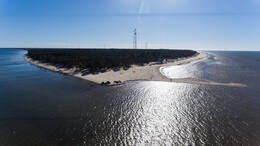
German army coastguard searchlight site in Usi and border guard post in Kolka
No military infrastructure was planned in Cape Kolka, except for several offshore lighthouses that were rebuilt over a long period of time, either before World War I, during World War I or during World War II. Coastal defence batteries were planned for the narrowest part of the Irbe Strait, between the Sirves Peninsula and the Michael Tower Lighthouse.
The only fortifications of a military nature appeared at the end of 1944, when the German Army Group North was preparing to repel possible landings by the Soviet Baltic Fleet. In the spring of 1945, after the ice retreated, two batteries of the 532nd Artillery Division defended the coast at Cape Kolka. Battery 7 with four 75 mm guns and three 20 mm zenith guns. Battery 8 with four 88 mm mortars, three 20 mm mortars and an 81 mm mortar. The anti-deserter infantry garrison consisted of one of the most famous coastal defence units of the German Navy, the 5th Company of the 531st Artillery Division. Although it was an artillery unit by name, it was an infantry unit by deployment, which started its war in June 1941 at Liepāja. The unit was then garrisoned on islands in the Gulf of Finland and later took part in the fighting on the island of Saaremaa. The remnants of the division were reformed into one company and, reinforced with seven anti-tank guns and three 20 mm anti-aircraft guns, deployed at Cape Kolka.
The Soviet naval landing operation never took place and the German units capitulated in May 1945.
The military infrastructure in Cape Kolka began to be built after the Second World War, when Soviet border guard posts were deployed here and Kolka, like the entire Kurzeme coast from Mērsrags to the Lithuanian border, became a closed zone
Sõrve Military Museum
This military museum, which opened in 2004 as a history room, is situated in the buildings of the former Soviet naval outpost in the village of Sääre on the tip of Sõrve Peninsula on the island of Saaremaa. Sõrve lighthouse, one of the most popular tourist attractions on the island, can be seen one kilometre from the museum.
The coastline of Saaremaa was once peppered with outposts, each manned by 20 naval infantry and officers throughout the Cold War. Their goal was to monitor marine traffic in the Irbe Strait, since the coast of Saaremaa was the maritime border of the Soviet Union. The military exhibition is displayed in barracks built in 1955 and is divided into rooms. It provides an overview of the events of World War I and II in Sõrve, of the Soviet era and of current NATO military equipment. Older items have been collected from locals and from the nearby battle sites. In addition to the military-themed exhibition, other buildings in the complex now house maritime- and history-themed displays and Sõrve Nature Museum, entry to which is free with your military museum ticket.

Māntē militārā bāze
Militārā bāze atrodas Sāremā salas Māntē ciemā, abpus vecajai šosejai, dažus kilometrus no Serves Militārā muzeja.
Kazarmu celtniecība tika sākta 1940. gada aprīlī pēc Savstarpējās palīdzības pakta parakstīšanas. Bāzi cēla vietējais uzņēmums “A. ja M. Edenberg”. Tā sastāvēja no divām kazarmām, kurās varēja izmitināt 350 karavīru, ēdnīcas, maiznīcas, saunas, ēdamzāles virsniekiem, slimnīcas un ledus pagraba. Bāzē atradās no 315. krasta aizsardzības baterijas atdalītās vienības. Esošās lauku mājas tika nojauktas, lai atbrīvotu vietu jaunām ēkām, tāpēc daudzi cilvēki bija spiesti pārcelties. Pēc kara šeit tika izvietotas atdalītās vienības, kas apkalpoja tuvējās krasta aizsardzības baterijas. Aukstā kara laikā kazarmas atkal tika izmantotas, šoreiz raķešu apkalpes vajadzībām. 1960. gada jūlijā šeit ieradās 74907. divīzija ar S-75 raķetēm. Tā blakus kazarmām sāka celt raķešu “Granit” noliktavu. Citās kazarmās mitinājās vienotā radiotehnikas rota. 1972. gadā “Granit” noliktavā tika glabātas trīs pretgaisa aizsardzības raķetes ar kodolgalviņām. Raķešu vienību izformēja 1991. gada janvārī. Nākamajā gadā radiotehnikas rota atstāja Māntē ciemu.
Šobrīd ēkas ir tik sliktā stāvoklī, ka tajās ir bīstami atrasties. Ir noņemtas raķešu noliktavas metāla durvis. Neraugoties uz to, komplekss joprojām ir populārs tūrisma objekts, taču apmeklētājiem jābūt uzmanīgiem, jo tas potenciāli ir bīstams.

Rīteļu kapi
Pēc tam kad 1953. gadā šajā teritorijā pēc PSRS Aizsardzības ministrijas pieprasījuma tika izveidots aviācijas mērķu poligons, Zvārdes baznīca, Ķerkliņu baznīca un Rīteļu kapi nonāca faktiski poligona centrā – blakus mākslīgi izveidotam lidlaukam ar pievadceļiem un aizsardzības pozīcijām, kuru par mērķi izmantoja padomju aviācijas lidotāji. Lidmašīnas uz šejieni lidoja gan no lidlaukiem Latvijas teritorijā, gan citām Padomju savienības vietām. Nepilnu 40 gadu laikā baznīca, kapi, bijusī muiža un desmitiem apkārtnē esošo ēku pārvērta drupās. Mūsdienās par šo vietu rūpējas Saldus Mārtiņa Lutera draudze. Apkārtne joprojām ir piesārņota ar nesprāgušu munīciju un staigāt ārpus ceļiem var būt bīstami.
Barbarisms kulmināciju sasniedza 1988. gadā, kad ar buldozeriem Rīteļu kapsēta ar kapa vietām un pieminekļiem tika nolīdzināta.
1990.gada 21. jūlijā vienā no pirmajām akcijām, kurā Latvijas iedzīvotāji pieprasīja PSRS armijai atstāt Zvārdes teritoriju, Saldū notika protesta mītiņš, pēc kura cilvēki devās uz Rīteļu kapiem. Mītiņa dalībniekus ielaida poligona teritorijā, un viņi nedaudz sakopa kapus un ieraka baltus krustus.
Poligona izmantošana turpinājās vēl līdz 1992. gadam un pat vēl 1992. gada martā kāda lidmašīna, kura pacēlās no Lielvārdes nezināmu iemeslu dēļ poligona teritorijā avarēja. Poligona atmīnēšanu Latvijas Aizsardzības spēki uzsāka 1993. gada maijā, pēc Krievijas armijas aiziešanas. Zvārdes baznīcā pirmā sakopšanas talka notika 1994. gadā. 2008. gadā Zvārdes iedzīvotāji Rīteļu kapos uzstādīja piemiņas akmeni “Piedodiet, ka nenosargājām…”.
Ģ. Eliasa Jelgavas vēstures un mākslas muzejs
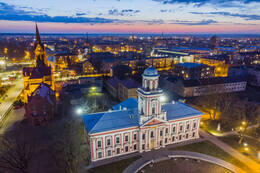
Ģ. Eliasa Jelgavas vēstures un mākslas muzejs atrodas ēkā, kuras nosaukums ir Academia Petrina (Pētera akadēmija). Tā celta 1775. g. kā pirmā augstskola Latvijas teritorijā un ir viena no retajām sabiedriskajām celtnēm, kas Jelgavā saglabājusies un atjaunota pēc Otrā pasaules kara. 1944. g. vasarā Jelgava zaudēja gandrīz visu – lielu daļu iedzīvotāju un vēsturisko apbūvi, kas pēc Otrā pasaules kara tikpat kā netika atjaunota. Pašreizējā muzeja priekštecis – Kurzemes Provinces muzejs – dibināts 1818. g. Tas bija otrs vecākais muzejs Latvijā un pirmais ārpus Rīgas. Ēkā Academia Petrina muzejs atrodas kopš 1952. g. Mūsdienās muzejā aplūkojamas pastāvīgās ekspozīcijas par izcilo latviešu mākslinieku Ģedertu Eliasu (1887–1975), aizvēsturi un viduslaikiem Zemgalē, Jelgavu Kurzemes un Zemgales hercogistes periodā (1561–1795), Kurzemes guberņas (1795–1918) un neatkarīgajā Latvijas valstī (1918 - 1940).
Muzeja ekspozīcijā “Zem svešām varām dzīve turpinās” skatāma dzīve Latvijā vācu un padomju okupācijas laikā. Muzeja piedāvātā virtuālā ekspozīcija “Kari un karavīrs cauri Jelgavas laiku lokiem” ir ieskats dažādajos karos, kas skāruši Jelgavu, tostarp Pirmā un Otrā pasaules kara vēstures notikumiem.
Sidepunker
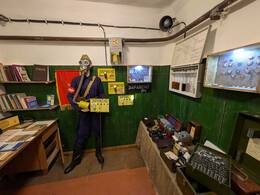
Sidepunker asub Riias, Vecmīlgrāvises ja on nõukogude ajal ehitatud ajalooline objekt, mis algselt oli toonase Oktjabri rajooni reservkontrollpunkt ja samal ajal Riia laevaremonditehase tsiviilkaitse staap. See loodi Põhja rajooni juhtimise tagamiseks hädaolukordades, näiteks tuumasõja või loodusõnnetuse korral.
Punkris oli olemas kõik autonoomseks tööks vajalik: sidesõlmed teiste oluliste objektidega suhtlemiseks, iseseisev elektri- ja veevarustus, samuti ruumid inimeste kaitsmiseks. Pärast nõukogude aja lõppu jäi punker hooletusse ja rüüstati, kuid viimastel aastatel on kohalikud entusiastid selle hoolikalt restaureerinud ja muutnud tsiviilkaitsemuuseumi "Sidepunkriks".
Muuseumi näitusel on autentsed tööruumid, sidevahendid, kaitsevahendid, ajaloolised dokumendid ja kaardid, mis võimaldavad külastajatel uurida külma sõja aegset tsiviilkaitsesüsteemi ja tunda tolleaegset atmosfääri. See on ainulaadne ajarännak, mis köidab nii ajaloohuvilisi kui ka neid, kes otsivad midagi ebatavalist.
Muuseum korraldab regulaarselt ekskursioonipäevi, mille jooksul külastajad saavad tutvuda punkri ajaloo ja selle tähtsusega. Muuseumi külastamiseks on soovitatav ekskursioonile eelnevalt registreeruda või jälgida eelseisvaid sündmusi muuseumi ametlikel lehtedel sotsiaalvõrgustikes.
Sõjaväelinna plaat
1962. aastal võeti Plokštinė metsas (Plungė rajoonis) kasutusele üks esimesi R-12 ballistiliste rakettide maa-aluseid stardikomplekse Nõukogude Liidus – Dvina.
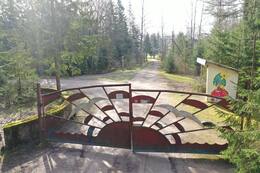
Raketiheitmiskohast 0,5 km kaugusele rajati sõjaväelaager. See hõlmas 12 hektari suurust ala ja siia ehitati umbes 30 erineva otstarbega hoonet, sealhulgas elamud (kasarmud), ohvitseride peakorter, kaks sööklat, katlamaja, elektrijaam, meditsiinipunkt, klubi, seakasvatustalu, laod, garaažid ja muud ehitised.
Plokštinė maa-alune raketilaskmiskompleks töötas kuni 18. juunini 1978. Nõukogude sõdurid lahkusid piirkonnast, võttes kaasa vaid oma relvad. 1979. aastal anti endise sõjaväekompleksi haldamine üle Plungė rajooni vabariiklikule põllumajanduslike puhkerajatiste ühingule ning sõjaväelinnaku territooriumile rajati Plateliai pioneeride puhkelaager „Žuvėdra“. See ala rekonstrueeriti ja kohandati laagri vajadustele, mis tegutses kuni 1990. aastani. Pärast Leedu iseseisvuse taastamist pioneerilaager suleti.
Alates 1993. aastast on seda ala haldanud Žemaitija rahvuspargi direktoraat. 2017. aastal lammutati paljud sõjaväelinnaku ehitised nende halva seisukorra tõttu. Tänapäeval on alal alles umbes kümme hoonet, mida külastajad saavad väljastpoolt näha. Paigaldatud on infotahvlid endiste hoonete ja nende funktsioonide kohta.
Külma sõja ekspositsioon
31. detsembril 1962 võeti kasutusele üks esimesi R-12 ballistiliste rakettide maa-aluseid stardikomplekse Nõukogude Liidus – Dvina maa-alune stardikompleks.
Plokštinė metsas (Plungė rajoon).
Aastatel 1963–1978 paigutati kompleksi neli R12 keskmise ulatusega ballistilist raketti (SS-4 Sandal), mis olid varustatud 2,3 megatonnise tuumalõhkepeaga. Kõik raketid olid suunatud Lääne-Euroopa riikidele. See kompleks moodustas koos sarnaste pinnalt lastavate raketibaasidega Leedus ühtse Nõukogude tuumaarsenali, mis oli võimeline hävitama kogu Euroopa. 16 tegutsemisaasta jooksul ei tulistatud välja ühtegi raketti, hoolimata 1968. aasta Praha kevade ajal väljakuulutatud lahinguvalmidusest.
Pärast Nõukogude sõdurite lahkumist 18. juunil 1978 laastati ja rüüstati halvasti valvatud sõjaväeobjekti. 1993. aastal, kui kompleks anti üle Žemaitija rahvuspargi direktoraadile, alustati selle restaureerimist. 2012. aastal avati külma sõja ekspositsioon. Tänapäeval on see kunagi väga salajane ja valvatud koht avalikkusele avatud. Endises raketi- ja varustuse juhtimisruumis on väljas ajalooline ekspositsioon külma sõja perioodist. Praeguseks on see ainus muuseum Euroopas, kus on eksponeeritud säilinud maa-alune raketisilo.
Šateiki maapealse raketibaas
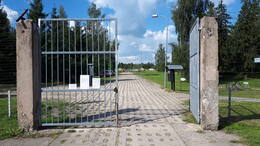
1960. aastal ehitati Plungė rajoonis Šateikiaiga külgnevatesse metsadesse Šateikiai maapealne raketibaas. See oli üks neljast omataolisest baasist Leedus. Baasi oli ehitatud neli keskmise ulatusega ballistiliste rakettide R-12 (SS-4 Sandal) stardiplatvormi. Pärast signaali vastuvõtmist sai rakette tulistada NATO bloki Euroopa riikide pihta.
1962. aastal, Kariibi mere kriisi ajal, viidi tuumaraketid Šateikiai raketibaasist Kesk-Kuubale. Kõrgeim valmisolek selles baasis kuulutati välja 1968. aastal Praha kevade ajal – Tšehhoslovakkia demokraatlike muutuste ajal. Sel ajal oli üks rakettidest suunatud Saksamaa Liitvabariigi pihta, kuna NATO blokk kavatses tõenäoliselt oma relvadega Tšehhoslovakkia mässulisi toetada.
Šateikiai baas suleti umbes 1978. aastal, kuna seda peeti iganenuks ja selle hooldamist irratsionaalseks. Sulgemise ajendiks oli ka asjaolu, et 1980. aastateks oli selge, et USA luureteenistused olid kindlaks teinud statsionaarsete rakettide stardibaaside asukohad. Raketiheitmiskoha hülgamine põhjustas hoonetele konstruktsioonikahjustusi. Baasi territooriumil on endiselt alles kuue raudbetoonist laohoone (angaari) jäänused ja võsaga kaetud rakettide stardiplatvormid.

Šauļu (Zapaļski) kodolarsenāls - kodollādiņu glabātava
Nedaudz tālāk no Šauļu pilsētas, Zapalsku ciematā, atrodas saglabājusies PSRS armijas pazemes raķešu bāze un raķešu degvielas glabātuve.
1955. gadā ap 1960. gadu sākās Zapalsku militārās bāzes, ko bieži dēvē par Šauļu kodolarsenālu vai oficiāli 1893. PRTB, būvniecība. Bāzei bija stratēģiska nozīme - tā bija savienota ar Zokņu militāro lidostu ar betona ceļu, pa kuru transportētās kodolraķešu kaujas galviņas tika izplatītas visā Lietuvas PSR.
Zapalsku kodolarsenāls tika rūpīgi apsargāts — to ieskāva vairāki dzeloņstiepļu žogu gredzeni, un teritorija bija sadalīta divos perimetri. Pirmais perimetrs bija paredzēts kazarmām, administratīvajām telpām un tehniskajai vienībai, bet otrais bija kaujas rakstura, kurā ir saglabājusies ražošanas ēka, kas, domājams, saistīta ar elektroiekārtu apkopi.
Pazemes glabātuvē atradās kodolgalviņas, kuras aizsargāja gaisa kondicionēšanas un ventilācijas sistēmas, ko darbināja jaudīgi dīzeļģeneratori. Šīm iekārtām bija jāaizsargā ieroči ne tikai no iespējamiem ienaidnieka uzbrukumiem, bet arī no ārējiem vides faktoriem. Šī bāze bija viena no divām kodolieroču glabātuvēm Lietuvā – otra šāda veida bāze atradās Kedaiņos.

Naisāres kara muzejs
Naisāres Militārais muzejs atrodas Naisārē, bijušajā padomju laika dzīvojamajā kompleksā. Muzejs iepazīstina ar salas aizraujošo un daudzslāņaino militāro vēsturi – no jūras fortiem un piekrastes aizsardzības būvēm līdz padomju laikam, kad sala bija slēgta militārā teritorija.
Naisāres sala tās atrašanās vietas dēļ ir bijusi nozīmīga Tallinas un Somu līča aizsardzības sistēmas sastāvdaļa. Salas mierīgā daba joprojām slēpj pēdas no laikiem, kad šeit atradās nocietinājumi, militārie objekti un padomju armijas infrastruktūra. Muzejs palīdz izprast, kā militārā klātbūtne ietekmēja gan salas attīstību, gan vietējo iedzīvotāju dzīvi.
Izstāde sniedz pārskatu par jūras cietokšņu rašanās un attīstības vēsturi, Naissāres lomu dažādu laikmetu aizsardzības sistēmās un salas iedzīvotāju dzīvi grūtos laikos. Apskatāmi šāviņu fragmenti, ieroču detaļas, fotogrāfijas un citi priekšmeti, kas salas militāro mantojumu tuvina apmeklētājam. Atsevišķa izstādes daļa ir veltīta padomju armijas karavīra ekipējumam un propagandas publikācijām, kas sniedz daiļrunīgu priekšstatu par laikmetu.
Muzejs ir labi piemērots tiem, kas vēlas atklāt Naisāres salu ne tikai kā dabas skaistuma salu, bet arī kā vietu, kur ainavā redzamas pēdas ir atstājusi Igaunijas piekrastes aizsardzība, militārā vēsture un padomju mantojums.
Muzeju vasaras sezonā, iepriekš vienojoties, var apmeklēt grupas. Individuālas biļetes var iegādāties kafejnīcā pie muzeja.

Saistītie stāsti
Aviācijas motoru izmēģinājumu laboratorija
Padomju laikā ziemeļos no Spilves ielas atradās dīvains objekts, ja atmiņa neviļ - ar diviem no sarkaniem ķieģeļiem celtiem zemiem taisnstūrveida „mega – skursteņiem”, no kurienes samērā bieži atskanēja lidmašīnu motoru rēkoņai līdzīga reaktīva skaņa.
Atmiņas par Spilves helikoperu bāzi
Padomju laikā Spilves lidostas dienvidrietumdaļā atradās helikopteru bāze. To varēja labi pārskatīt no tuvāk esošajām Kleistu meža kāpām, gan Rīgas – Bolderājas dzelzceļa atzara, kas veda uz Rīgas laku un krāsu fabriku.
Kāpēc Latvijā nenotika Olimpiskās sacensības....jeb zemūdeņu remontdarbi Daugavgrīvā, Baltijas jūras kara flotes remontrūpnīcā
Kad 1980. gadā Maskava gatavojās Olimpiskajām vasaras spēlēm, bija aktuāls jautājums – kur rīkot burāšanas sacensības? Izrādās, ka izvēle kritusi sākotnēji uz Rīgu, jo ir ideāli apstākļi burāšanai Rīgas jūras līcī un pilsēta arī veca un skaista, kaunā nekritīs. Taču daļa rīdzinieku vēl atceras vai arī jaunāka paaudze ir lasījusi internetā, ka Rīga ,,it kā.. atteikusies no šī augstā goda un tāpēc sacensību rīkošana pārcelta uz Tallinas piepilsētu Piritu. Igauņi saņēma milzīgu finansējumu un uzcēla sev jaunu un modernu burāšanai un atpūtai domātu kompleksu, kuru pēc Olimpiādes beigām brauca apbrīnot neviens vien latvietis.... Taču nu atklājusies viena interesanta nianse – kļuvis zināms, kāpēc Rīga atteikusies no šī goda...
PSRS armijas bāze Mārcienā
Baltija padomju impērijai bija viena no svarīgākajām aizsardzības līnijām, galējais rietumu bastions, tāpēc karaspēka koncentrācija te bija milzīga. Pastāv uzskats, ka Latvija tolaik bija vismilitarizētākā teritorija pasaulē. Precīzs militārpersonu skaits nav zināms, dažādi avoti par dažādiem laikiem min 200 000 līdz 350 000. Latvijā vien 50 gados bija dislocētas 3009 karaspēka daļas vairāk nekā 700 vietās. Viena no tādām vietām bija PSRS armijas bāze Mārcienā.
Draudzīgā Ragaciema robežapsardze
Kad Latvijā tuvojās pārmaiņu laiks, arī krasta robežsardze kļuva draudzīgāka.
Par Kolkas krasta robežsargiem
Kolkas iedzīvotājas Valijas Laukšteines atmiņas par laikiem Kolkā, kad tur bija robežsargi.
Par Kolkas robežsargiem
Kolkas iedzīvotāja Baiba Šuvcāne stāsta par laikiem Kolkā, kad tur bija robežsargi.
Atmiņas par Kolkas pierobežas zonu
Kolkas iedzīvotājas Birutas Freimanes atmiņas par pierobežas zonu.
Par Košradznieku attiecības ar padomju armijniekiem
Imanta Upnera atmiņas par padomju laikiem.
Kolkas krasta apsardzes novērošanas tornis
Kolkas raga pēdējās priedēs paslēpies robežapsardzības tornis, kurā PSRS laikos nemitīgi atradās robežsargu postenis un tam blakus esošā nelielā mūra ēciņa tagad pamesti un iet postā likteņa varā.
Kolkas raga robežsargu novērošanas tornis
PSRS laikos robežsargi no šī torņa novēroja un kontrolēja Irbes jūras šauruma ūdeņus un tajos laikos mēdza teikt, ka šim šaurumam pat pīle bez robežsargu ziņas cauri nevarot izpeldēt.
Svešinieki pierobežas zonā
Robežsargiem bijis īpatnējs paņēmiens, lai uzzinātu par svešiniekiem pierobežas zonā.
Botāniķa darbs jūras krastā
Pildot botāniķa darba pienākumus, gar krastu bija tļauts iet tikai kopā ar robežsargu.
Par Upīškalna bijušo militāro objektu
Valda Pigožna (bij. Kurmāles pagasta vadītājs „Upīškalna” darbības laikos) atmiņas par Upīškalna militāro bāzi.
Atmiņas par pierobežas zonu
Dažādas dzīves ainiņas no Padomju laikiem, ko atcerās Gunārs Anševics, literāts, prozas un dzejas autors, dzīvodams pierobežas zonā.
Pierobežas režīma zona
Par laikiem pierobežas režīma zonā.
Slīteres valsts rezervāts pierobežas režīma zonā
Slīteres valsts rezervāta bijušo darbinieku atmiņu stāsti par Padomu laikiem.
Krasta baterija Olmaņos
Uz ziemeļiem no Ventspils atrodas vēl viena nozīmīga krasta baterija. Tā atradusies Olmaņos un saukta par ,,Krasnoflotskaja,,.
Irbenes radioteleskopu sabojāšana
Pirms Irbenes pamešanas, Padomju armija sabojājusi visas radioteleskopu sistēmas
Kā no Ventspils ar pašbūvētu laivu kāds aizbēga no robežsargiem
Ventspils ostā PSRS laikos bāzējās robežsargu patruļkuģi, kuru uzdevums bija patrulēt Baltijas jūras ūdeņos un nepieļaut robežas šķērsošanu ne no vienas puses – ne no ārpuses uz iekšu, ne no iekšpuses uz āru. Taču pagājušā gadsimta 70.gados Ventspilī tomēr noticis viens ārkārtas gadījums, par kuru gan paši ventspilnieki ilgi virtuvēs sačukstējušies un smējuši uz nebēdu.
„PZ” – podgraņičņaja zona
Vērgales ciema tautas deputātu padomes priešsēdētāja (1982-1989) Andra Zaļkalna atmiņas par dzīvi pierobežas zonā.
Akmeņraga militārais komplekss
Akmeņragā Padomju laikos bijis militārais komplekss.
Mīnas, bumbas, torpēdas un ķīmiskie ieroči Baltijas jūrā
2010. gada februāra pirmajās dienās Zviedrijas telekanāla SVT ēterā parādījās ziņa, kas daudzos izraisīja šoku un pamatīgu pārsteigumu.
Bēgšanas mēģinājums no PSRS
Padomju laikus nepieredzējušiem jauniešiem un ārzemniekiem būs grūti noticēt, ka padomju pilsonim legāli izkļūt no PSRS bija praktiski neiespējami.
Viltus dzintars Liepājas pusē
Jau vairāk nekā divdesmit gadus Liepājas jūrmala ir bīstama viltus dzintara dēļ, kuru jūra īpaši devīgi mēdz izskalot no savām dzīlēm pavasara un rudens vētru laikā.
Latvija un Igaunija būvē modernas zemūdenes
Latvija un Igaunija savu militāro spēku stiprināšanai izvēlas jaunus un modernus ieročus – Francijā un Lielbritānijā būvētas zemūdenes. Latvijas Kara flotes divas zemūdenes vēlāk pasaules kara jūras kaujās nepiedalās, bet viena no divām igauņu zemūdenēm iet bojā, savukārt izdzīvojusī Lembit tagad izlikta apskatei Tallinā atjaunotajos hidroplānu angāros muzeja ekspozīcijā.
Aizliegtās bākas un jūras krasts
PSRS laikos jūras piekraste Ziemeļkurzemē un Rietumkurzemē faktiski bija apmeklējumam slēgtas militāras zonas, bet bākas apmeklēt un pat fotografēt bija aizliegts
Aizmirstais Līvzemes krasts
Pēdējo līvu ciemu apvidu Latvijas ziemeļrietumu krastā kopš 1950.gada Padomes sistemātiski iznīcināja un pasludināja par aizliegto zonu. 12 zvejniekciemos izdzīvoja tikai šīs tautas niecīga saujiņa, kas pašreiz pieredz sava veida kultūras renesansi.
Pierobežas režīma zonas šķērsošana
"Propusk" jeb atļauja šķērsot pierobežas režīma zonu bija tik pat obligāta kā autobusa biļete.
1976.gada jūlija militāri – patriotiskās spēles “Орленок” tanku poligonā pie Irbenes
1976.gada jūlija militāri – patriotiskās spēles “Орленок” (latviski: ”Ērglēns”) tanku poligonā pie Irbenes, kurā piedalījās 17-gadīgais Ēvalds Krieviņš un slepeni ar fotoaparātu „Sme8M” fotografēja spēļu norisi, tehniku un pat Irbenes antenu
„Atpakaļ Mazirbē” (fragments)
Kāds skaudrs atgadījums no Viļņa Blumberga dzīves, kad iebraukšana Mazirbē, lai apciemotu krustmāti, pārvērtās par nepatīkamu izpratināšanu ar robežsargiem un skarbu nakti ziemas spalgonī.
Dumpis uz kara kuģa "STOROŽEVOJ"
1975. gada 8. novembrī, kā jau tas bija ierasts PSRS, arī Rīgā notika kārtējās vērienīgās boļševiku revolūcijas gadadienas svinības. Neviens pat visbriesmīgākajos murgu sapņos iedomāties nevarēja, ka revolūcijas 58 gadskārta ieies Latvijas un visas PSRS vēsturē ar ko līdz šim nepieredzētu un nebijušu - dummi uz "Storoževoj", lielā pretzemūdeņu kuģa. PSRS 15 gadus noliedza, ka uz kuģa bija noticis dumpis.
Dabas foto Užavas piekrastē un padomju robežsargi
Stāsts par aizsargājamā auga foto robežsardzes zonā.
Par Upīškalna bijušo militāro objektu
Valda Pigožna (bij. Kurmāles pagasta vadītājs „Upīškalna” darbības laikos) atmiņas par Upīškalna militāro bāzi.
Juceklis ar Krasnoflotskajas vēstulēm
Ar "Krasnoflotskajas" nosaukumu un ģeogrāfisko atrašanos padomju laikos bija interesanti atgadījumi
Tanku apmētāšana ar akmeņiem
Padomju laikā visa Kurzemes piekraste bija slēgtā zona. Bērni, kas dzīvoja padomju armijas daļas tuvumā Tārgales pagastā, t.sk. Ovišos mēdza izklaidēties, apmētājot tankus ar akmeņiem.
Kurzemes piekraste - slēgtā zona
Aukstā kara apstākļos visa Kurzemes piekraste bija sabiedrībai slēgta zona – šeit galvenie noteicēji bija padomju robežsargi, kuriem ir pēc noteikta attāluma atradās sardzes novietojumi, bet pludmalē – novērošanas torņi ar starmešu stacijām. Civiliedzīvotāji jūras krastā drīkstēja iziet vien noteiktās vietās tikai diennakts gaišajā laikā.
Padomju aviācija bombardē Rīteļu kapus
Rīteļu kapi faktiski atradās mērķu poligona centrā. Vietējiem iedzīvotājiem atlika vien noskatīties kā tie tiek iznīcināti.
Zvārdenieka bērnība bumbu sprādzienu ēnā - Poļigona vasaras
Pavadot bērnību Zvārdes mērķpoligona tuvumā, zem sprādzienu skaņām un lidojošām reaktīvajām lidmašīnām, taču tomēr reizēm nedēļas nogalēs varēja iekļūt poligonā. Pēc padomju armijas aizbraukšanas zeme bija nosēta ar bumbu krāteriem un daudziem sprādzienbīstamiem priekšmetiem, ne tikai no poligona laika, bet arī no 2.Pasaules kara
Zvārdenieka bērnība bumbu sprādzienu ēnā - Fosfora kapsulas
Pavadot bērnību Zvārdes mērķpoligona tuvumā, zem sprādzienu skaņām un lidojošām reaktīvajām lidmašīnām, taču tomēr reizēm nedēļas nogalēs varēja iekļūt poligonā. Pēc padomju armijas aizbraukšanas zeme bija nosēta ar bumbu krāteriem un daudziem sprādzienbīstamiem priekšmetiem, ne tikai no poligona laika, bet arī no 2.Pasaules kara. Īpaši puišeļiem patika dedzināt fosfora kapsulas ...
Zvārdenieka bērnība bumbu sprādzienu ēnā - nokritusī lidmašīna
Poligona izmantošana turpinājās vēl līdz 1992. gadam un pat vēl 1992. gada martā kāda lidmašīna, kura pacēlās no Lielvārdes nezināmu iemeslu dēļ poligona teritorijā avarēja.
Pa spiega pēdām
Ļaužu atmiņa dažkārt ir visai īsa. Tagad, kad katrs var iet un braukt, kurp vien grib, daudzi raud par zaudēto lēto desu, bet ir jau aizmirsuši, ka tepat aiz Mērsraga, ceļam priekšā nereti nolaidās svītrains bomis un bruņoti krievu zaldāti, saukti par robežsargiem, tālāk laida tikai ar rakstiskiem un apštempelētiem propuskiem. Un atļauju saņemt nevarēja vis kurš katrs Latvijas PSR iedzīvotājs, bet tikai tāds, kas no Rojas vai Kolkas ciema padomes vispirms bij saņēmis tā saucamo izsaukumu, uz kura pamata tad nu pēc desmit dienām viņš savā milicijas daļā varēja (vai arī nevarēja) saņemt vīzu iebraukšanai aizliegtajā pierobežas zonā. Šajā nelaimīgajā Kurzemes piekrastē biju nopircis māju, tāpēc ik pavasari arī man un manas ģimenes locekļiem bija jālūdzas un jāzemojas, lai varasvīri iebraukšanas atļauju atjaunotu.
Krievijas armijas izvešana no Lietuvas 1993. gadā.
1993. gada 31. augustā cauri Kenas dzelzceļa stacijai izbrauca pēdējais Krievijas armijas militārais ešelons, oficiāli izbeidzot gandrīz 50 gadus ilgo padomju militāro okupāciju Lietuvā.
Par kodolbāzes slepeno angāru
Plokštines mežos esošajā pazemes termonukleāro raķešu bāzē tika uzstādīts īpaši slepens angārs, par kuru vietējie iedzīvotāji joprojām zina ļoti maz un kura mērķis ir apvīts ar baumām par kodolraķešu kaujas galviņu glabāšanu.
Slepenais veterinārārsts
Veterinārārsts Staņislovas Mikašausks, kurš strādāja Plokštines militārajā bāzē, dalās atmiņās par neparastu piekļuvi bāzes teritorijai un stingru slepenību pat neformālā vidē.
K. Meškauska atmiņas par Pluņģes rajona raķešu bāzēm
Bijušās raķešu bāzes Pluņģes rajonā slēpj iespaidīgu Aukstā kara vēsturi – sākot ar slepenu raķešu degvielas transportēšanu naktī un beidzot ar pazemes šahtu būvniecību ar mākslīgu spiedienu. Ārsta Kajetonas Meškauska memuāri atklāj maz zināmas detaļas par padomju militārpersonu darbību un celtnieku dzīvi. Viņa stāsts ir ne tikai par bāzi, bet arī par cilvēku, kurš nonācis vēstures vidū.
Kodolieroču pēdās Šateikiai mežā
Laikā no 1960. līdz 1978. gadam Pluņģes rajona Šateikiai ciema mežos darbojās sauszemes raķešu palaišanas bāze, kurā tika izvietotas vidēja darbības rādiusa kodolraķetes R12U. Pēc raķešu transportēšanas bāzē tika izvietota 384. augstas jaudas artilērijas brigāde. Tās rīcībā bija pašgājējas 203 mm kalibra haubices 2S7 "Pion" un dažādi citi ieroči, kuru iznīcināšanā tika dzēsti cilvēki.