



Pirmais pasaules karš un neatkarības kari Dienvidlatvijā
Karosta (Maršruts)
Karosta ir lielākā vēsturiskā militārā teritorija Baltijā un aizņem gandrīz vienu trešdaļu no visas Liepājas teritorijas. Karosta ir unikāls militāro un fortifikācijas būvju komplekss Baltijas jūras krastā, kas ir īpašs Latvijas un pasaules vēsturē un arhitektūrā.
Mūsdienu Karostā savdabīgi savijas grezna 19. gs. beigu arhitektūra un militārais skarbums. Ēkās saskatāms Krievijas impērijas un PSRS militāro objektu būvniecības stilu kontrasts. Karosta mūsdienās ir īpaši iecienīts tūrisma objekts.
Uzbūvēta pirms 1.Pasaules kara Krievijas armijas vajadzībām. 1890. gadā pēc Krievijas cara Aleksandra III pavēles uz ziemeļiem no Liepājas sākās apjomīga cietokšņa un kara pilsētas celtniecība. Sākotnēji tā tika dēvēta par Imperatora Aleksandra III ostu. Projektēta kā pilnīgi autonoma apdzīvota vieta ar savu infrastruktūru, elektrisko spēkstaciju un ūdensapgādi, baznīcu un skolām.
Jaunās ostas būvniecību oficiāli atklāja Krievijas imperators Aleksandrs III 1893. gada 12. augustā. Lai gan Aleksandra III nāve 1894. gadā mainīja Krievijas ārpolitiku, jaunās ostas pamatbūvniecību noslēdza 1906. gadā. Cietoksnis sastāvēja no četrām krasta aizsardzības baterijām – Nr. 1, Nr. 2, Nr. 3 un Nr. 6, kā arī vairākām fortifikācijas būvēm sauszemes pusē – Ziemeļu forts, Redāns, Vidus forts, Dienvidu forts un liela skaita munīcijas noliktavām. Pirmie karakuģi jaunajā ostā sāka bāzēties 1898. gadā.
Ostas un cietokšņa daļēju iznīcināšanu veica sākoties Pirmajam pasaules karam, pēc Vācijas Kara flotes apšaudes 1914. gada 2. augustā. Imperatora Aleksandra III ostas vēsture, kas sastāvēja tikai no būvēšanas un likvidācijas, noslēdzās 1915. gada maijā, kad Vācijas karaspēka ieņēma Liepāju.
Padomju laikā Karosta bija slēgta teritorija, kas nebija pieejama pat Liepājas civiliedzīvotājiem. Pēdējie padomju armijas karavīri Liepāju atstāja tikai 1994. gadā.
Karostā ir apskatāmi tādi militārā mantojuma objekti kā Ziemeļu mols un forti, Redans, Karostas cietums, Karostas ūdenstornis, Sv.Nikolaja pareizticīgo Jūras katedrāle, O.Kalpaka tilts uc.
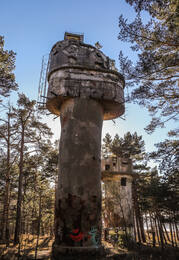
Karostas Redans
Redans, jeb Redana forts atrodas Karostā, 14. novembra ielā, aptuveni 1,5 km no Ziemeļu fortiem, dabas liegumā "Tosmare".
Vēsturiski par redaniem dēvēja fortifikāciju elementus, kad garākus cietokšņu sienu posmus sadalīja īsākās sekcijās, uzbūvējot pret pretinieku izvirzītas V veida pozīcijas, kas ļāva labāk aizsargāt nocietinājumu sienu. Karostas Redans ir 19. gadsimta beigās celtā Liepājas Jūras cietokšņa forts, kas izvirzīta pret Tosmares ezeru. Karostai zaudējot savu cietokšņa nozīmi arī ap to izvietotie nocietinājumi un forti tika daļēji uzspridzināti un padarīti nelietojami. Tomēr Redans palika gandrīz neskarts.
1919. gada novembrī, pēc neveiksmes pie Rīgas, Pāvila-Bermonta Avalova spēki uzsāka intensīvu uzbrukumu Liepājai. Kaujas norisinājās arī pie Redana, kur cīnījās Liepājas Kara ostas komandantūras 80 karavīri virsleitnanta Radziņa vadībā. 14. novembra straujajā uzbrukumā bermontiešiem izdevās Redanu ieņemt. Tam sekoja Latvijas bruņoto vienību pretuzbrukums un Redans tika atgūts.
Jūnijā, jūlijā un augustā katru dienu plkst. 11.00–17.00 pie Redana gaidīs zinošs gids, kas būs gatavs pastāstīt vairāk par Liepājas cietoksni un vēsturiskajiem notikumiem Karostā.
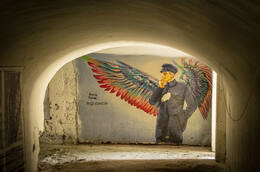
Liepājas krasta artilērijas baterija Nr.2
Liepājas Karostas daudzu objektu vidū Liepājas krasta artilērijas baterija Nr.2 ir joprojām noslēpumainākā vieta Liepājā. Baterijā Nr. 2 nemainīgi bija ierīkota dažādu pastāvošo varu karaspēka munīcijas noliktavas.
Liepājas cietokšņa bateriju Nr. 2 izbūvēja tālāk no krasta līnijas un to aizsargāja augsts nocietinājumu valnis. Baterijas bruņojumā paredzēja 16 11 collu (280 mm) 1877. gada modeļa mortīras. Pēc cietokšņa likvidēšanas šeit bija ierīkotas munīcijas noliktavas. Sprādzienbīstamības dēļ teritorija 130 gadus bijusi sabiedrībai slēgta, apsargāta teritorija, bet tagad šeit ierīkota ekspozīcija par 1. Kurzemes divīzijas štāba darbību 1919. - 1940. gados, kā arī foto liecības par 1.Liepājas kājnieku pulku, 2. Ventspils kājnieku pulku un Kurzemes artilērijas pulku.
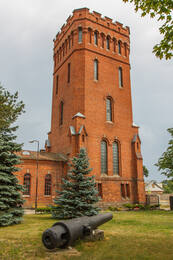
Karostos vandens bokštas
Vandens bokštas yra Liepojoje, Karostoje, Generolo Baložos gatvėje 29 – ten, kur gatvė susikerta su Lazaretes gatve. Vandens bokštas buvo svarbus Karostos statinys, nes tiekdavo geriamąjį vandenį beveik visai Karostos teritorijai. Tikslus vandens bokšto statybos laikas nežinomas, tačiau jis galėjo būti pastatytas 1903–1905 metais. Projektą greičiausiai parengė Sankt Peterburgo architektas Stefanas Galenzovskis.
Vandens bokštą varė garo variklis su dviem anglimi kūrenamais katilais, vienas iš jų buvo laikomas rezerve, todėl šalia bokšto yra tokio pat aukščio kaminas. Transmisija varė keturis siurblius, iš kurių du buvo laikomi rezerve. Keturi gręžiniai tiekdavo vandenį siurbliams, kurie pumpuodavo jį į rezervuarą penktame bokšto aukšte, o iš ten – į karininkų butus ir kareivinių kareivines Karostoje.
Latvijos armijai perėmus vandens bokšto valdymą, vandens bokšto valdymą perėmė ir Karo ministerija. Po Antrojo pasaulinio karo valdymą perėmė Sovietų armija. Vandens bokštas uždarytas nuo 1989 m.
Nors bokštas nebuvo karinis statinys, 1919 m. lapkritį Latvijos armija atitaisė britų karo laivų artilerijos ugnį kovoje su Bermonto kariuomenės puolimu.
https://industrialheritage.travel/lv/objects/karostas-udenstornis/51
Karostos karo kalėjimas
Karostos kalėjimas – unikalus istorinis ir turistinis objektas Liepojoje, leidžiantis lankytojams susipažinti su daugiau nei šimtmečio senumo karinio kalėjimo istorija ir jame kalintų asmenų likimais. Pastatas pastatytas apie 1900 m. ir iki 1997 m. tarnavo kaip kariškių drausminių nuobaudų vykdymo vieta.
Nuo pat pradžių tai buvo niūri vieta žmonių likimams laužyti ir laisvoms dvasioms slopinti. Kalėjime pastebėta įvairių nepaaiškinamų reiškinių – beldančių žingsnių, atsisukančių elektros lempučių, atidaromų uždarų kamerų ir koridoriuose pasirodančių tariamų vaizdinių.
Šiandien tai svarbus kultūros ir istorijos objektas, leidžiantis pažinti Latvijos karinę istoriją ir saugantis prisiminimus apie žmonių likimus skirtingais istorijos etapais. Tai ne eilinė muziejaus ekskursija – tai pasakojimas apie žmonių likimus ir skaudžia istorijos realybę. Ekskursijos metu turite galimybę pamatyti kalėjimą, kuris beveik nepakito nuo caro laikų. Išgirsite istorijų apie Karostos istoriją ir neįprastų įvykių iš kalinių kasdienio gyvenimo. Įeikite į kameras ir vienutę, žvelgdami į tamsiausias kalėjimo vietas. Susipažinkite su parodomis apie Antrąjį pasaulinį karą, kurelius ir sovietmetį.
Karosto kalėjimas yra ne tik turistų traukos objektas – tai gyvas istorijos liudininkas.
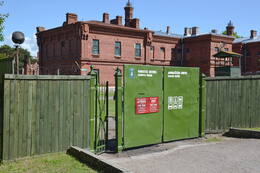
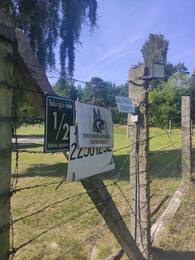
Liepojos tvirtovės baterija Nr.6
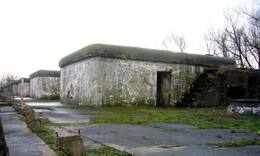
6-oji baterija, kuri šiandien yra geriausiai išsilaikęs įtvirtinimų statinys, buvo suplanuota Liepojos tvirtovės pakrantei į pietus nuo Prekybos kanalo apsaugoti. Baterijoje turėjo būti keturios 6 colių (152 mm) 1892 m. modelio „Canet“ sistemos patrankos, aštuonios 11 colių (280 mm) 1887 m. modelio patrankos, devyni įvairaus kalibro minosvaidžiai ir du 57 mm „Nordenfeld“ prieštankiniai pabūklai. Pirmojo pasaulinio karo pradžioje, tvirtovei jau esant išardytai, 6-ojoje baterijoje vis dar buvo ginkluotė, panaudota 1915 m. balandžio mėn., kai Vokietijos karinis jūrų laivynas bandė išsilaipinti prie Pietinio molo.
XX a. trečiojo dešimtmečio pradžioje baterijos vietoje pradėtas statyti Olimpijos stadionas, kurį galima pamatyti ir šiandien. Pietiniame baterijos gale iškastas įtvirtinimų griovys šiandien yra įtrauktas į Liepojos pajūrio parką.
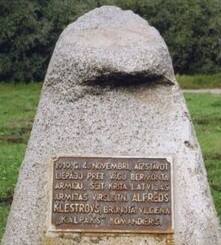
Paminklas Latvijos armijos leitenantui Alfredui Klestrovui, šarvuotojo traukinio „Kalpaks“ mūšio vieta
Šarvuotojo traukinio vadas leitenantas leitenantas Alfredas Klestrovas, gimęs 1897 m. kovo 8 d. Liepojoje. Baigė Liepojos miesto mokyklą, vėliau – matininkų mokyklą Rygoje.
Pirmojo pasaulinio karo metu pašauktas į Rusijos armiją, baigė bataliono mokyklą Maskvoje. Tarnavo Rumunijos fronte, kovojo Ukrainoje. Kai Ukrainą okupavo vokiečių kariuomenė, grįžo į Rygą.
Ordinas buvo įteiktas 1922 m.
1919 m. pavasarį pašauktas į Latvijos kariuomenę, tarnavo papildomame 3-iosios Latgalos divizijos batalione. 1919 m. spalį paskirtas į šarvuotą traukinį „Kalpaks“ vadu.
1919 m. lapkričio 4 d., vokiečiams puolant Liepoją, šarvuoto traukinio „Kalpaks“ vadas leitenantas Alfredas Kliestrovas, apšaudomas sunkiąja artilerijos ir kulkosvaidžių ugnimi, surengė kontrataką ir su šarvuočiu traukiniu pateko į priešo užnugarį. Nesugebėjęs atidengti patrankų ugnies, jis vadovavo savo komandai durtuvų mūšyje ir išsklaidė priešą, taip prisidėdamas prie bermontiečių puolimo atsitraukimo, tačiau pats šiame mūšyje žuvo nuo vokiečių kareivių, kurie buvo įsitvirtinę namuose ir liko už Latvijos armijos kareivių nugaros, kulkos.
1935 metais Liepojos geležinkelio ir Liepojos-Grubinios plento sankryžoje, šarvuoto traukinio „Kalpaks“ vado leitenanto Alfredo Klestrovo žūties vietoje, buvo pastatyta atminimo lenta.
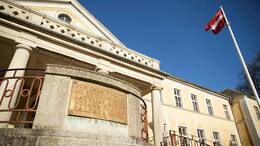
Rudbāržių dvaro pilis ir 1-ojo Latvijos atskirojo bataliono atminimo lenta
Pilis yra Rudbāržuose, prie Rygos–Liepojos greitkelio A9. Priešais pastatą yra atminimo lenta, skirta Oskaro Kalpakos bataliono žygdarbiams atminti.
Pilis buvo pastatyta 1835 m. baronienės Theos von Firks įsakymu kaip baronų fon Firksų šeimos nuosavybė. 1905 m. gruodžio 15 d. dvaro rūmus sudegino revoliucionieriai. Po trejų metų prasidėjo restauravimo darbai, vadovaujami architekto L. Reinierso.
Latvijos nepriklausomybės karo metu Rudbāržių pilis tarnavo kaip bazė ir štabas koviniams veiksmams Ventos upės pakrantėje, kuriems vadovavo pulkininko Oskaro Kalpako 1-asis atskirasis Latvijos batalionas.
Vėliau pilis buvo naudojama kaip Latvijos armijos kareivių poilsio bazė. 1938 m. pilis buvo atstatyta.
Antrojo pasaulinio karo metu pastate buvo įsikūrusi vokiečių armijos kareivių ligoninė, o pokario metais – miško darbininkų mokykla. 1962 m. pilyje įsikūrė Rudbāržių mokykla, kuri 1991 m. buvo pavadinta Oskaro Kalpako vardu. Rudbāržių dvaro didvyrių salė buvo restauruota 2016 m. Šiuo metu mokykla uždaryta, tačiau ateinančiais metais pastate planuojama įkurti Oskaro Kalpako vardu pavadintą profesinę karo vidurinę mokyklą.
Мемориал битвы при Скрунде и День флага
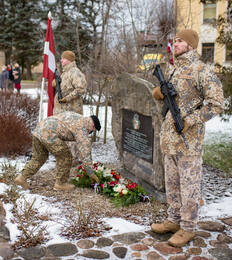
Мемориал Скрундской битвы находится в центре Скрунды, в парке Оскараса Калпака, рядом с Домом культуры Скрунды, на пересечении улиц Кулдигас и Лиепаяс. В 2005 году на мемориале был установлен камень в память о сражении 29 января 1919 года, когда батальон под командованием Оскараса Калпака вместе с немецкими и русскими частями ландесвера освободил Скрунду от большевиков. С 2004 года поддерживается традиция празднования Дня флага в память о первом освобожденном от большевиков городе и его освободителях, которые 29 января 1919 года подняли латвийский флаг в церкви Скрунды.
В первые месяцы Войны за независимость Временное правительство Латвии под давлением большевиков стремительно теряло территории. 22 января 1919 года большевики захватили Скрунду. Неделю спустя, рано утром 29 января, началось наступление с целью захвата Скрунды. Латышский отдельный батальон под командованием подполковника Оскара Калпакса должен был атаковать вдоль шоссе Рудбаржу - Скрунда и выбить большевиков из Скрунды. За этим должна была последовать фланговая атака немецких частей с задачей уничтожить наступающего противника, а русская рота должна была атаковать между латышскими и немецкими частями, используя Скрундскую церковь в качестве ориентира. Атаку также поддерживала немецкая артиллерийская батарея. В день атаки мороз был 15 градусов, ярко светило солнце, калпаки должны были пересечь чистое поле, а большевики укрывались в каменных зданиях усадьбы. Большевики открыли огонь, когда до цепи атакующих оставалось около 300 метров, завязалась двусторонняя перестрелка, и солдаты под командованием Оскара Калпакса стремительно продвигались вперед, вынуждая противника прекратить огонь и отступить через Венту. После трехчасового боя Скрунда была взята около 9 часов утра, при этом латышский отдельный батальон имел только двух раненых.
Сражение при Скрунде имело огромное значение для морального духа солдат Временного правительства Латвии, вооруженных Спеком, так как это была фактически первая значительная победа в боях против большевиков. Кроме того, сам командир, Оскар Калпакс, проявил в бою особое мужество, своим примером призывая солдат не бояться.
Мемориальный музей Оскарса Калпакса «Айритес»
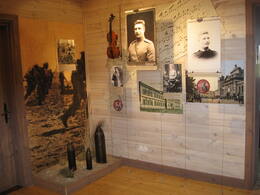
Музей Оскарса Калпакса «Айритес» расположен между Салдусом и Скрундой, недалеко от автомагистрали A9. В экспозиции представлена обширная информация о полковнике Оскарсе Калпаксе и его батальоне, показана история создания Латвийской национальной армии и мемориального комплекса «Айритес». Экспозиция музея раскрывает полковника Оскарса Калпакса как личность, как солдата и борца за независимость Латвии. Экспозиция дополнена записями воспоминаний в аудиоформате (на латышском, английском, немецком языках). Они выделяют важность исторических событий 1918/1919 гг. для защиты латвийской государственности. Здание музея отреставрировано. Вход свободный, экскурсия с гидом платная. Можно посетить зону отдыха, парк, полосу препятствий, различные занятия. Имеется зал для семинаров до 30 мест.
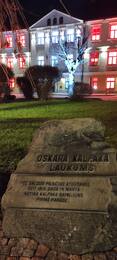
Memorial stone in Oskaras Kalpaka Square in Saldus
O.Kalpaka Square is located in the very centre of Saldus, at the intersection of Lielā and Striķu streets.
The former market square is today a favourite place of recreation for residents and visitors of Saldus, where concerts, commemorative events and festivities are held. On 10 March 1919, Saldus became the first Latvian town liberated by Colonel Oskars Kalpaks' battalion.
On 14 March 1919, the first parade of the Latvian Separate Battalion took place in the square, and in 1992, in honour of Colonel Kalpakas, the square was named after him.
A Monument Dedicated to the First Battle of Oskar Kalpak’s Battalion in Lielauce
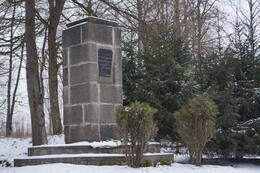
A monument dedicated to the first battle of Oskar Kalpak’s battalion is situated next to the ruins of Lielauce Lutheran Church. It was erected at the site of the battle of Kalpak’s battalion, which took place on the night of 15 to 16 January 1919. In the battle, two companies of Kalpak’s battalion repelled an attack by an entire Bolshevik battalion and a squadron of cavalry. It was the first important battle of Kalpak’s battalion. As the Landeswehr lost the battle in Auce, the decision was made to retreat and hold the front at a natural obstacle – the River Venta.
The monument was unveiled on 19 August 1934 in the presence of the former fighter of the battalion, Minister of Agriculture, J. Kauliņš. The monument was designed by an architect P. Dreimanis and manufactured by J. Sieriņš. The monument is made of grey granite blocks, with a black granite plaque at the front with the following inscription: “The battle of Colonel Kalpak’s battalion took place here on the night from 15 to 16 January 1919.” Four soldiers were killed in action.
The monument was destroyed in the early 1950s and the plaque was smashed. It was restored in 1991 by using the original plaque, which had been split in two. In the restored monument, the plaque no longer faces the church, but the centre of Lielauce.
Christmas Battle Museum
The museum is located in “Mangali” house, Valgunde Rural Territory, Jelgava Municipality, and it is a branch of the Latvian War Museum. It was unveiled in 2005 at the site of the Christmas Battles that occurred during World War I. Unique World War I fortifications still remain at the battle sites. The open-air exhibition of the Christmas Battle Museum reconstructs a section of the fortification system – the trench shelter and part of the first line of German defence – the “German rampart”, which is the only object of this kind in the Baltic states.
The Christmas Battles are one of the best known and most dramatic events of World War I in Latvia. They are an event of special importance in Latvian military and cultural history. Intense fighting took place for six days, leading to heavy casualties. The battles are mainly associated with the attack of Latvian Riflemen against the German Army units, which took place in particularly severe and unfavourable winter conditions. This is an unprecedented case of a major combat operation launched without artillery support.
Today, the museum artefacts found at the sites of the battle are on display. The indoor exhibition is open at certain times, while the exhibition of outdoor fortifications is open every day. Tourist routes and nature trails have been created in the surrounding area.
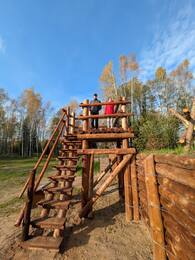
Ložmetējkalns (Machine Gun Hill) in Tīreļpurvs Bog
Ložmetējkalns is located in Valgunde Rural Territory, Jelgava Municipality, close to the A9 motorway. It is the site of a World War I battle and the only cultural heritage conservation site of national importance in Latvia. Ložmetējkalns is located on Garā Kāpa Dune, which is a part of the Nordeķi-Kalnciems dune ridge. The name originated at a time when it was the site of impregnable fortifications of the German Army, which was defended by heavy machine-gun fire.
The Christmas Battles are one of the best-known and most dramatic events of World War I in the history of Latvia. In 1917, the units of Latvian Riflemen and Siberian riflemen of the Russian Army attacked and took Ložmetējkalns, capturing at least 600 enemy troops and valuable trophies. The riflemen believed that they were the ones who deserved the honour of captors of the highlands.
The area around Ložmetējkalns Hill is home to commemorative marks and other evidence of the battles that took place here. Every year, in January, memorial events are held in the surroundings of Ložmetējkalns to remember the Christmas Battles. Nowadays, Ložmetējkalns has become a symbol and a memorial site dedicated to the heroism of Latvian Riflemen. A 27-metre-high observation tower offers panoramic views of the site of Christmas Battles.
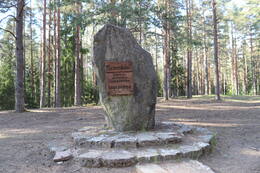
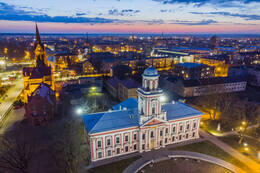
Jelgava History and Art Museum of Ģ. Eliass
Jelgava History and Art Museum of Ģ. Eliass is located in a building that is called Academia Petrina (Peter’s Academy). It was built in 1775 as the first university in Latvia and is one of the few public buildings in Jelgava to survive and be restored after World War II. In the summer of 1944, Jelgava lost almost everything – a large part of its population and historic buildings, which were hardly restored after World War II. The predecessor of the current museum – the Kurzeme Provincial Museum – was founded in 1818. It was the second oldest museum in Latvia and the first one established outside Riga. The museum has been housed in the Academia Petrina building since 1952. Today, the museum features permanent exhibitions on the renowned Latvian artist Ģederts Eliass (1887–1975), the prehistory and Middle Ages of the Zemgale region, Jelgava during the era of the Duchy of Courland and Semigallia (1561–1795), the Courland Governorate (1795–1918), and the period of Latvia’s independence (1918–1940).
The museum exhibition “Life Continues Under Foreign Rule” explores life in Latvia during the German and Soviet occupations. The virtual exhibition “Wars and a Soldier Through the Ages of Jelgava” offers insight into the various wars that have affected Jelgava, including historical events from the First and Second World Wars.
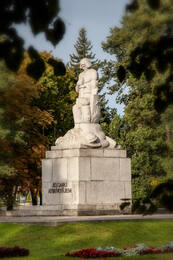
Monument to the Liberators of Jelgava “Lāčplēsis”
The Monument to the Liberators of Jelgava “Lāčplēsis” is located in Jelgava, at Station Park, opposite the Railway Station building. It was opened on 22 June 1932, with the participation of the President of Latvia A. Kviesis, and was built to commemorate the liberation of Jelgava on 21 November 1919, during the Latvian War of Independence.
In 1940, during the first period of Soviet occupation, the monument was not affected by changes. In 1941, when the Soviet occupiers were replaced by the German occupation forces, the head of the German occupation administration, von Medem, who had returned to Jelgava (his ancestors were the original builders of Jelgava Palace), did not like the unequivocal symbolism of the monument. On 31 October 1942, the German occupation authorities ordered the author of the monument, Kārlis Jansons, to remove the image of a German knight from the monument.
In 1950, the Soviet occupation authorities gave the order for the monument to be destroyed. With the help of a tractor, Lāčplēsis was torn off its pedestal, smashed, and an attempt was made to destroy it in a stone crusher. However, Lāčplēsis proved to be so hard that the crusher broke. The unbroken middle part of the monument was secretly buried in the grounds of a kindergarten.
In 1988, a fragment of the monument was found and is now located in front of the Jelgava History and Art Museum of Ģederts Eliass. The monument was restored and inaugurated on 21 November 1992. It was created by sculptor Andrejs Jansons, who restored the monument created by his father, K. Jansons.
Monument to the Defenders of Jelgava
The Monument to the Defenders of Jelgava – the Daugavgrīva Home Guards who stopped the German Army from attacking Jelgava at the end of April 1915, was unveiled in 1991 next to Svēte School in Jelgava Municipality. At the beginning of May 1915, a large demonstration was held in Jelgava to commemorate this important event. The fact that the Latvian Home Guards managed to stop the German attack was used by Jānis Čakste and his as sociates to justify the idea of establishing Latvian Riflemen units during World War I.
The author of the monument is sculptor Alvīne Veinbaha (1923–2011)
War Museum in Eleja
The museum is located in the former railway station building of Eleja Village.
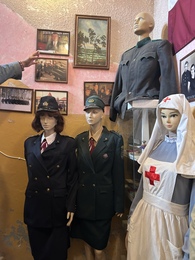
The War Museum in Eleja was established by the association “Zemgales strēlnieks” (Zemgale Rifleman). The representatives of the association are active in public education, putting on exhibitions, displays and educational programmes.
The exhibition of the museum is mainly dedicated to World War II. It displays uniforms, equipment, armaments, and photographs of the historical period. The museum offers the opportunity to take photos in military uniforms of different historical periods and armies. The small two-storey building houses several hundreds of exhibits of military heritage. In addition, there are exhibits related to the town and surroundings of Eleja, the history of the region and its notable persons.
Private Collection “Family Barn”
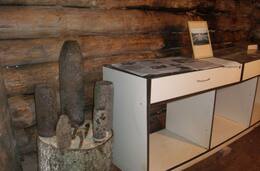
The private collection “Family Barn” is located at the family estate “Ābeļu Putniņi”. Created in 2007, it reveals the history of one family through stories, objects and a reconstructed trench shelter.
Visitors are offered an insight into the history of World War I, the Latvian Army, World War II, the Brothers’ Cemetery in Riga and the Christmas Battles. The old barn displays embroidered table cloths, homemade folk costumes, a cupboard with tableware, skis and a chariot wheel donated by Baron Korf. In 2011, the equipping of the restored birch wood trench shelter was commenced. In it, a furnace, a sleeping area, and stands displaying objects related to the First World War – broken tableware, photographs and rusted weapon parts are on display there. The exhibition allows visitors to experience the scenes of the First World War as described in the Blizzard of Souls, a novel by Aleksandrs Grīns. Special attention is paid to the Vidzeme 4th Riflemen Regiment and the Christmas Battles. The following soldiers are mentioned: Robert Soks, who is buried at the Broth ers’ Cemetery in Riga, as well as writers Aleksandrs Grīns, Jānis Akurāters, composer Arvīds Žilinskis and others.
The exhibition grounds feature bomb pits from World War I and a spring from which the soldiers drew drinking water. A tour of the site lasts for 1.5–2 hours and is available in Latvian and Russian.
Exhibition "Fights for Freedom in the 20th Century" at the Jēkabpils History Museum
Located in Krustpils Castle
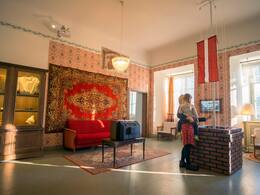
Exhibition "Fights for Freedom in the 20th Century" on display
Soviet repressions. Hard memories. Sitting here in a club chair, you have the opportunity to listen to fragments of the book “There Were Such Times” by Ilmārs Knaģis, a resident of Jēkabpils. On one of the walls of the room, a list of citizens deported to Siberia slides dispassionately, like the credits after a movie. Right there, on an old TV, you can watch an amateur video about the removal of the Lenin monument in Jēkabpils. Visitors are interested not only in the content, but also in the technical capabilities - how this film was made on an old TV.
It is possible to listen to lectures prepared by museum specialists at the Jēkabpils History Museum or to register for a field trip: Jēkabpils and its surroundings during the First World War, Jēkabpils in 1990, The Time of the Barricades, 1949 Deportations - 70, Jēkabpilians - Cavaliers of the Lāčplēsis War Order, etc.
The average duration of lectures is 40 minutes. Information and registration for lectures can be found by calling 65221042, 27008136.
The Jēkabpils History Museum is located in Krustpils Castle. In 1940, after Latvia was incorporated into the USSR, the 126th Rifle Division was stationed in Krustpils Castle. During World War II, the castle housed a German infirmary, and after August 1944, a Red Army military hospital. After the war, Krustpils Castle and the adjacent manor buildings were occupied by the central warehouses of the 16th Long-Range Reconnaissance Aviation Regiment and the 15th Air Army of the Soviet Army.
Viesīte Freedom Monument
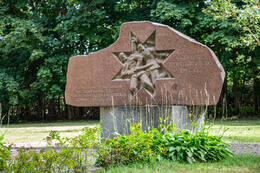
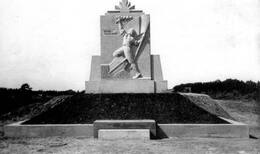
Viesīte Freedom Monument is a symbol of freedom, independence and remembrance, dedicated to the battles of the defenders of Viesīte against the Bermontians in 1919.
On 14 October 1919, soldiers of the Third Jelgava Infantry Regiment, together with a unit of Viesīte-Sauka-Varenbroka home guards, stopped the attack of the Bermontians at Viesīte Vale Hill. As a result of this victory, the advance of Bermontian units into Upper Kurzeme and Latgale was stopped. Viesīte Freedom Monument depicts a freedom fighter, who is greeting the sun with the flag of Latvia in his hands. The words “Brīvība – tautas dzīvība” (Freedom is the life of the people) are engraved on the monument. Sculptor Voldemārs Jākobsons is the author of the design of the monument, and stonemason Voldemārs Treijs carved the monument in Finnish granite. The monument was unveiled on 11 August 1935. Every year, on Lāčplēsis Day, a torchlight procession takes place through Viesīte to the Freedom Monument, honouring the freedom fighters of Latvia who gave their lives and fell for their fatherland
First World War Museum
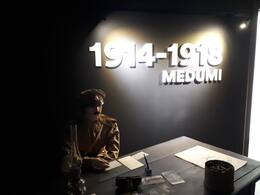
The fiercest battles of the First World War in Latvia took place near Daugavpils in August and October 1915, in the highlands of Ilūkste and Medumi. The Germans tried to break through to Daugavpils, but the Russians – to push them back. Both sides were unsuccessful and began to build trenches, creating in depth defence positions consisting of three lines.
The First World War Museum in Medumi is dedicated to these battles. The first part of the exhibition presents the history of the vicinity of Medumi, providing testimonies that bear evidence that Medumi was a well-populated and developed area before the war. Part 2 focuses on the events of the First World War in Europe and Latvia. Here, you can learn about the lives of soldiers and the innovations that emerged during the war, as well as examine the weapons used by the German and Russian armies. In the third hall of the exhibition, visitors can put themselves in the shoes of a soldier by experiencing bunker life. In this hall, a replica of a Russian bunker has been created – a fragment of a trench with a small shelter, elements of a battlefield and dummies of soldiers. Since the wooden bunkers of the Russian Army did not survive, they have been reconstructed at the museum, while the concrete bunkers of the German Army can be seen by visiting the International route of WWI Bunkers. The hall, with the imitation of a shelter, audio and video equipment, creates an authentic atmosphere of the battlefield.
Private Collection of World War I Heritage and Local History
The Stikāni family are engaged in collecting historical artefacts. The collected historical evidence of Medumi Parish and the surrounding area is accumulated in the small, purpose-built building. An extensive collection of World War I and World War II artefacts is on display at the museum.
