
Pēteris Čevers - national partisan and commander of a partisan group

Pēteris Čevers bija Latvijas armijas karavīrs, Latviešu leģiona kapteinis, nacionālais partizāns (no 1945. gada 9. maija), nacionālo partizānu grupas komandieris (1948.—1950.)
Pēteris Čevers dzimis 1914. gada 9. janvārī Rēzeknes apriņķa Barkavas pagastā.
Beidzis Kara skolu 1937. gadā un līdz 1940. gadam dienējis 1. Jātnieku pulkā.
Pēc padomju okupācija, 1941. gada pavasarī pārcelts uz 24. teritoriālā strēlnieku korpusa 186. kājnieku pulku.
1941. gada 14. jūnijā Ostroviešu nometnē uzzinot par paredzamajiem arestiem kopā ar vairākiem citiem virsniekiem iesaistījās pulkvežleitnanta Kārļa Aperāta vadītajā "Dzimtenes sargu" vienībā.
1942. gada februārī brīvprātīgi iestājies 23. Kārtības dienesta bataljonā.
No 1942. gada marta līdz 1943. gada februārim, izgājis speciālu apmācību, dienēja speciālo uzdevumu pulkā "Brandenburga 800".
1943. gada martā pāriet Latviešu SS brīvprātīgo leģiona sastāvā, vēlāk kļūstot par 19. divīzijas 43. pulka 14. prettanku rotas komandieri, ar kuru izstaigā kauju ceļus no Veļikajas upes krastiem līdz pat Kurzemei. Apbalvots ar 2. un 1. šķiras Dzelzs krustiem, Kara Nopelnu krustu un sudraba Trieciena nozīmi.
Pēc vācu karaspēka kapitulācijas Kurzemē P. Čevers kopā ar vairākiem sava pulka virsniekiem un kareivjiem apmetās Talsu apriņķa Vandzenes pagasta mežos, kur iekļāvās kapteiņa Nikolaja Straumes grupā. No 1948. gada maija P. Čevers kļuva par grupas komandieri Talsu apriņķa Vandzenes u. c. apkārtējo pagastu teritorijā.
Nodevības rezultātā 1950. gada 1.-2. novembra naktī P. Čevers un vēl seši grupas dalībnieki tika sagūstīti. 1951. gada 3. aprīlī Baltijas Kara apgabala Kara tribunāls piesprieda P. Čeveram augstāko soda mēru. Nāvessods tika izpildīts 1951. gada 24. augustā.
Vandzenes partizāni un viņu atbalstītāji. Blūmu ģimenes traģēdija un «Valdu» māju noslēpums / Raksts (lsm.lv)
Autors: Uldis Neiburgs (Dr. hist., LU Latvijas vēstures institūta pētnieks)


Related timeline
Related topics
Related objects
Pēteris Čevers national partisan bunker
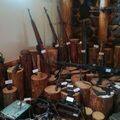
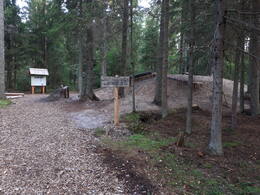
The bunker of the national partisans of Peter Chever is located in Lauciene municipality, about 4 km from the Talsi-Upesgrīva road. A trail covered with wood chips leads to the bunker. The renovated 31 square metre bunker is made of a concrete frame finished with half-logs of logs to create an authentic feel.
Captain Chever's group completed the bunker in the forest near Vangzene at the end of October 1949. It was planned to survive the winter of 1949-50. On 3 February 1950, the local forester betrayed the partisans and the bunker was attacked by a Cheka unit of more than 300 soldiers. At that time there were 19 people in the bunker - 17 men and two women. Six partisans fell in this unequal battle, but the others managed to break through two chains of Cheka siege by fighting their way through. By the end of the winter the partisans took refuge in surrounding houses with their supporters, but in the spring the group reunited until it was captured and destroyed in November 1950. After an attack by Cheka troops, the bunker was blown up and before it could be rebuilt, only a water-filled pit remained.
Nikolajs Straume National Partisan Memorial Stone
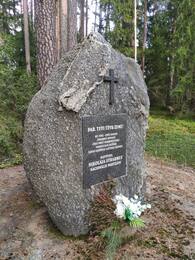
The memorial stone is located on the Sloka-Talsi highway, near the Rideļi mill.
The national partisan group of Captain Nikolajs Straume (“Buks”) was formed soon after the capitulation of the German army and operated in the forests of Tukums and Talsi districts. The core of the group was made up of officers and soldiers of the Latvian Legion, who were also joined by local residents. The names of 38 members are known. In December 1945, the group set up a winter bunker for 10–12 fighters in Lauciena parish. In January 1946, the troops of the Soviet People’s Commissariat of State Security attempted to surround the camp, but the entire group successfully escaped the encirclement without losses. Between March 1947 and October 1948, Soviet troops carried out several operations, arresting supporters of the national partisans and killing fighters in several battles. Nikolajs Straume was shot on October 13, 1948.
Nikolajs Straume was one of the leaders of the joint activities of the Talsi and Tukums national partisan groups.
Museum of the National Resistance Movement in Renda
The museum is located a few kilometres from the centre of Renda parish. The exhibit tells about the 50-year-long resistance movement in Latvia: resistance to the first Soviet occupation, resistance to the Nazi German occupation, and the armed and non-violent resistance to the Soviet occupation. The exhibit is located in two buildings. The first building houses evidence of the first Soviet occupation and German occupation. The exhibit showcases a restored barn building where the focus lies on the National Partisan War. Between the two buildings there is a bunker with an authentic layout and trenches used by soldiers. Located near the museum in Renda, excavations, blindages and an obstacle course serve as a training ground for youth guards and anyone interested. Visits must be booked in advance.
One of the largest battles of the national partisans, called the Āpūznieki Battle, took place in January 1946 not far from here. The battle saw the Kabile National Partisan Group overpower much larger forces of the occupying power. Featuring information stands, the battle site is now home to a rest area.