



Latvian legionnaires

Pēc Vācijas bruņoto spēku ofensīvas apsīkuma Austrumu frontē un sakāves pie Staļingradas 1942./1943. gada ziemā vāciešiem radās nepieciešamība veidot militāras vienības no okupēto Eiropas valstu iedzīvotājiem. 1943. gada 23. janvārī Ā. Hitlers mutiski atļāva H. Himleram izveidot Latviešu SS brīvprātīgo leģionu. Ā. Hitlera rakstiskā pavēle par leģiona formēšanu sekoja 1943. Gada 10. februārī un skanēja šādi: “Pavēlu izveidot Latviešu SS brīvprātīgo leģionu. Vienību lielums un veids atkarīgs no rīcībā esošo latviešu vīru skaita.”
No 1943. gada marta līdz 1944. gada septembrim Latvijā norisinājās vairākas mobilizācijas akcijas. Un līdz ar totālās mobilizācijas izsludināšanu 1944. gada jūlijā tai tika pakļauti visi 1906.–1928. gadā dzimušie vīrieši. Mobilizācija leģionā notika arī 1944. gada septembrī un oktobrī Kurzemē. Sākotnēji bargākais sods par izvairīšanos no mobilizācijas bija līdz pat sešiem mēnešiem ieslodzījumā. 1943. gada 24. novembrī tika nodibināta Sevišķā kara tiesu, paredzot arī nāvessoda piespriešanu, bet 1944. gada vasarā Berlīnē pieņemtais lēmums paredzēja, ka ikvienu personu, kura nepakļaujas mobilizācijai 48 stundu laikā, var nošaut. Īstu brīvprātīgo leģionā bija samērā maz un to īpatsvars nepārsniedza 15–20%. Tomēr konkrētajos vēsturiskajos apstākļos liela daļa leģionāru savu atrašanos leģionā saprata kā cīņu par Latvijas neatkarības atjaunošanu.
Sākotnēji 15. un 19. latviešu SS brīvprātīgo divīzijas cīnījās Krievijā, bet 1944. gada jūlijā ar smagām kaujām atkāpās uz Latviju. 19. latviešu divīzija turpināja cīņas Vidzemē un kara beigās – Kurzemē, savukārt 15. latviešu divīzijas vienības, kas bija cietušas lielākus zaudējumus, nosūtīja pārformēšanai uz Vāciju, kur tās aizvadīja cīņas līdz pat 1945. gada maijam. Leģiona 15. un 19. divīziju komandieri bija vācieši, un divīziju štābi sastāvēja no vācu virsniekiem. Leģiona augstākais latviešu virsnieks bija Latviešu SS brīvprātīgo leģiona ģenerālinspektors ģenerālleitnants Rūdolfs Bangerskis, kura tiesības tomēr bija stipri ierobežotas. Kopumā Vācijas bruņoto spēku rindās Otrajā pasaules karā cīnījās ap 110 000–115 000 latviešu karavīru, apmēram 30 000–50 000 no viņiem savas dzīvības atstāja kauju laukos.
Pēc Otrā pasaules kara notikušais starptautiskais Nirnbergas tiesas process 1946. gadā pasludināja SS par noziedzīgu organizāciju, vienlaikus atzīstot, ka tas attiecināms uz "personām, kas piederēdamas pie šīs organizācijas, personiski piedalījušās noziegumu pastrādāšanā, bet neattiecas uz personām, ko valsts piespiedusi iestāties par locekļiem tādā veidā, ka tām neatlika nekāda cita iespēja, un ja šīs personas nav piedalījušās noziegumos", ko var attiecināt uz lielāko daļu latviešu leģionāru. Līdz piecdesmito gadu sākumam daudzi bijušie leģionāri izceļoja no Vācijas uz Lielbritāniju, Austrāliju, ASV, Kanādu un citām pasaules valstīm.


More information sources
Neiburgs, U. (Latvijas Okupācijas muzejs) 2017. Latviešu leģions un 16. Marts. Pieejams: http://okupacijasmuzejs.lv/lv/aktualitates/latviesu-legions-un-16-marts-356/ [skatīts [06.05.2021].
Jūsu komentāri

Добрый день. Спасибо за ваш комментарий. На этой странице мы стараемся основывать информацию на конкретных источниках, исследованиях, воспоминаниях, и в этом случае указывается конкретный источник, из которого была подготовлена указанная информация. Если у вас есть другие цифры и факты или воспоминания людей на эту тему, пожалуйста, поделитесь с нами этой информацией со ссылкой на источник. Касательно:
Привет, как или где узнать, что кто-то делал во 2МВ? Был ли он солдатом или латышским легионером или кем-то еще? Жил в то время в Риге.
Я не говорю по-латышски, так что простите меня за неправильный перевод. Здравствуйте, Агрис Пурвинс, обращаясь к вашему комментарию. Однако я с уверенностью считаю, что в Латышском легионе было около 100 000 солдат. Я не уверен насчет жертв. Сам Латышский легион состоит не только из 15-й и 19-й гренадерских дивизий СС-Ваффен. В их состав входил зенитный батальон или бригада, если я правильно помню, а также латыши в Люфтваффе, которые служили пилотами и летчиками наземного экипажа. (Люфтваффен-Легион Латвия) Кроме того, в Латышском легионе также будут вспомогательные рабочие и полицейские подразделения, которые вместе могут составлять всех латышей. Некоторые определяют легион только как две части СС, другие определяют его как все латышские силы в немецкой армии. У меня пока нет доступа к источнику, но примерно через неделю-две я предоставлю и предоставлю информацию о других частях, но я уверен, что соглашусь о количестве латышских войск в немецкой армии в Вермахте. или СС
добрый день! Есть ли у кого-нибудь что сказать или информация? буду благодарен! ищу новости об Ати Шнеберге! Пожалуйста, если у кого-то есть идеи, где еще посмотреть. или какие новости... Шнебергс Атис - родился 08.12.1922. Илуксте апр. Лаучезская волость - мобилизован 26.06.1943 - первая воинская часть - 1-й батальон 1-го стрелкового полка 2-й бригады Латышского легиона - первый ранг - солдат - 10.08.1943 направлен на инструкторские курсы - 07.10.1943 зачислен в мотоциклетный взвод 2-го бригада - 01.01.1944 произведено в отличники - 05.01.1944 направлено на офицерские курсы в Бад-Тельц, Германия - 01.05.1944 присвоено звание почетного сержанта - 30.09.1944 зачислено в 1-й батальон 42-го гренадерского полка 19-го дивизия (та же часть до курса) - 17.10.1944 ранен в голову - 10.11.1944 отправлен в Санатории возвратной роты 15-й дивизионной запасной бригады - 14.11.1944 исключен из роты (погиб?) - 21.12.1944 повышен в звании лейтенанту
Saistītās laikalīnijas
Saistītie objekti

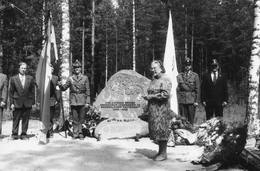
Memorial to the fallen Latvian Legion soldiers and national partisans
Located in the Lubāna New Cemetery in Indrāni Parish.
A memorial site to the fallen Latvian Legion soldiers and national partisans is open for viewing.
The memorial was opened on July 25, 1992. The memorial stone was created by Andris Briezis.
As the Awakening began, in October 1990, Kārlis Doropolskis, a member of the human rights group “Helsinki 86”, received permission from the authorities to begin the reburial of Latvian legionnaires who had fallen and been buried scattered around Lubāna in the summer of 1944, as well as national partisans who had fallen in later battles with the Soviet occupation troops and security institutions, in common mass graves, which were arranged in the new cemetery in Lubāna. In total, 26 fallen legionnaires and national partisans were buried in mass graves.
Burials of Latvian legionnaires and those who fell in the War of Independence
Located in the Cesvaine Ķinderu cemetery.
A granite memorial stone to Latvian legionnaires, unveiled in June 1997 at the fraternal cemetery, can be viewed, and individual burials of those who fell in the War of Independence can be found and viewed.
An information board with a diagram of the memorials and burial places of the fallen has been installed at the cemetery:
1. Cemetery of Latvian legionnaires 1943-1945.
2. Jēkabs Markovs 08.02.1883-08.08.1917. Rifleman of the 8th Valmiera Latvian Regiment
3. Arvīds Alberts Strads, commander of the “Green” partisans, 22.09.1894.-05.04.1919. First Lieutenant
4. Harijas Lezons 18.03.1914.-19.01.2003. Captain
5. Jānis Purēns 15.11.1887 - 18.11.1918. Cavalier of the Lāčplēsis War Order.

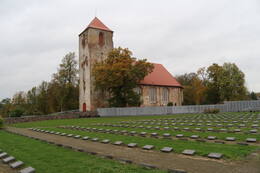
Lestene Brothers' Cemetery
Located in Tukums region, Lestene, next to the church.
The creation of the mass grave in Lestene began in 1998. It is the second largest military cemetery in Latvia, where more than 1,300 Latvian legionnaires are buried. Only after the restoration of the Republic of Latvia was it possible to rebury Latvian soldiers who fell in World War II from various places.
The Latvian Legion was a combat unit of the German army, formed mainly from illegally mobilized Latvian residents. The soldiers perceived their presence in the legion as a fight for the restoration of Latvian independence, despite the fact that it took place within the ranks of the German armed forces and Germany had occupied Latvia. There was no other military force that could delay the return of the Soviet occupation. The Latvian legionnaires fought against the Red Army, which had liquidated the independence of Latvia, destroyed its army and committed crimes against the civilian population. About 110,000–115,000 soldiers fought in the ranks of the German army, about 30,000–50,000 of them lost their lives on the battlefields.
Nowadays, in Lestene you can visit the Brothers' Grave, next to which is the Lestene Church. It is an outstanding example of Baroque sacred art. In the ancient church tavern you can get acquainted with an exhibition dedicated to the history of the Latvian Legion. The central image of the brothers' grave, "Homeland - Mother - Latvia", was created by sculptor Arta Dumpe. Nearby is the Lestene Manor, which belonged to Latvian Army General Mārtiņš Hartmanis before World War II.
Tours of the Lestene Church can be booked with the parish priest of the Lestene Evangelical Lutheran Church, Inguna Kokina, phone +371 29993743.
Kurzeme kindlustuse kaitsjate mälestuskivi
Asub Tukumsi piirkonnas, maantee A9 ääres, 500 m kaugusel Lesteni pöörangust Riia suunas.
Mälestusmärk püstitati 1991. aastal Rumbu majade lähedale, mis olid aktiivse sõjategevuse sündmuspaigaks. See on austusavaldus Kuramaa kindluse kaitsjatele, kes võitlesid Teises maailmasõjas Punaarmee vastu. Lahingud olid olulised, kuna need peatasid ajutiselt Punaarmee täieliku okupatsiooni Lätis. Ligikaudu 300 000 lätlast emigreerus, et põgeneda Nõukogude režiimi poolt tsiviilisikute vastu toime pandud kuritegude eest.
Teise maailmasõja lõpus oli Läti territooriumil tekkinud omapärane olukord. Kuramaal paiknesid Saksa armee väed, mida Punaarmee püüdis likvideerida või takistada lahingutes osalemist Ida-Preisimaal või Berliini ümbruses. „Kuramaa kindlus“ on kõige levinum termin, mida kasutatakse Kuramaal aastatel 1944–1945 toimunud vaenutegevuse kirjeldamiseks. „Kuramaa lahing“ oli Saksa armee võitlus Punaarmee massiliste rünnakute tõrjumiseks. Kuramaa kindlus lakkas eksisteerimast varsti pärast Saksamaa alistumist.
Tänapäeval saab külastada mälestusmärki ja puhkepaika, mis oli Läti leegionäride seas populaarne alates Läti iseseisvuse taastamisest.
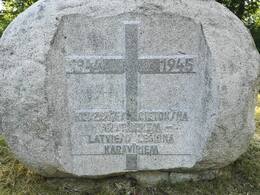
Pienava jõuluvõitluse ohvrite mälestusmärk
Asub Tukumsi piirkonnas A9 maantee ääres, umbes kilomeetri kaugusel Pienavast Liepāja suunas.
Mälestusmärk asub Kuramaa kolmanda lahingu ehk Jõululahingu toimumiskohas 1944. aastal. Teise maailmasõja lõpus oli Läti territooriumil tekkinud ainulaadne olukord. Kuramaal asusid Saksa armee väed, mida Punaarmee püüdis likvideerida või takistada lahingutes osalemist Ida-Preisimaal või Berliini ümbruses. „Kuramaa kindlus“ on kõige levinum termin, mida kasutatakse Kuramaa lahingute kirjeldamiseks aastatel 1944–1945. „Kuramaa lahing“ oli Saksa armee sõjaline operatsioon Punaarmee massiliste rünnakute tõrjumiseks. Kuramaa lahingutes osalesid aktiivselt ka Läti leegionärid.
Tänapäeval saab mälestuspaika külastada. Piirkonna avatud põllud, kus pole enam vanimaid hooneid, on sõja tunnistajaks.

More Lahingu Muuseum
Muuseum asub Mores maantee V319 ääres. See on pühendatud More lahingule, mis peeti 1944. aasta sügisel Punaarmee üksuste ja Saksa armee Läti leegioni vahel. Muuseumis on välja pandud lahinguväljamakett, relvad, autasud, sõdurite vormiriietused ja sõjavarustus. Muuseumi ja mälestuspargi rajasid Läti leegioni endised sõdurid, kes olid More lahingust osa võtnud. Mälestuspargis võib tutvuda kaevikute, punkrite ja lahingupaigaga. Sõjategevus More maastikul oli vaid osa Punaarmee Balti pealetungi ulatuslikust operatsioonist, milles osales kokku 900 000 sõdurit ja kus kasutati palju sõjatehnikat. More ümbruses asus osa Saksa armee kaitserajatiste süsteemist, kus Läti leegionärid takistasid Punaarmee läbimurret Riia suunas. See võimaldas Saksa armeel oma väed Eestist tagasi tõmmata ja vältida lüüasaamist. Punaarmee juhid arvasid, et vaenlase vastupanu More lähistel on lühiajaline ning jätkasid kangekaelselt oma ettevalmistamata ja koordineerimata rünnakuid ning kandsid suuri kaotusi. Maastikueelistel ja Läti leegionäride lahingusuutlikkusel oli oluline roll edaspidises sõjategevuses. Mores asuvad Läti leegionäride vennaskalmistu ja Punaarmee sõdurite kalmistu.
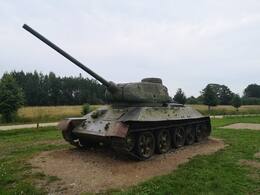
Punaarmee vennaskonna kalmistu More
Punaarmee sõjaväekalmistu asub More'i läbiva peatee ääres. See on viimne puhkepaik umbes 2000 More'i lahingus langenud sõdurile. 1974. aastal haljastati kalmistu ja avati skulptor B. Grīsle loodud monument.

Kuramaa Koti Muuseum Zantes
Avatakse alates 1. maist.
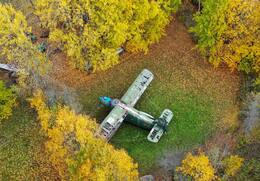
Lestene vennaskalmistu, mälestusnäitus ja punker
Lestene vennaskalmistu asub Tukumsi piirkonnas Lestene kiriku kõrval. Lestene vennaskalmistu rajamist alustati 1998. aastal. See on Läti suuruselt teine sõdurikalmistu, kuhu on maetud üle 1300 läti leegionäri. Alles pärast Läti Vabariigi taasiseseisvumist oli võimalik Teises maailmasõjas langenud läti sõdureid ümber matta. Läti leegion oli Saksa armee lahinguüksus, mis moodustati peamiselt ebaseaduslikult värvatud Läti elanikest. Hoolimata sellest, et leegionärid kuulusid Saksa relvajõudude ridadesse ja Saksamaa oli Läti okupeerinud, pidasid sõdurid oma leegionis teenimist Läti iseseisvuse taastamise eest võitlemiseks. Läti leegionärid võitlesid Punaarmee vastu, mis oli hävitanud Läti iseseisvuse ja sõjaväe ning pannud toime kuritegusid tsiviilelanike vastu. Saksa armee ridades võitles 110 000–115 000 sõdurit, kellest umbes 30 000–50 000 jätsid oma elu lahinguväljale. Vennakalmistu keskse teema „Kodumaa – ema – Läti“ on loonud skulptor Arta Dumpe. Üle tee asuvas endises kõrtsihoones on välja pandud Läti leegioni ajaloole pühendatud näitus. Kohe selle kõrvale on Läti Ohvitseride Ühingusse kuuluvad mehed kapten Jānis Slaidiņši juhtimisel ehitanud maa-aluse punkri, et näidata, kuidas sõdurid ja ohvitserid rindel elasid.

Monument to the participants of the resistance movement in Stompaki
Located 15 km from Balvi in the direction of Viļaka, on the right side of the road.
A memorial sign is visible.
A memorial to the participants of the resistance movement, dedicated to the memory of the national partisans of Pēteris Supe who fell in the battles of March 2 and 3, 1945, was unveiled on the side of the Balvu - Viļakas highway opposite the Stompaku swamp on August 11, 2011, on the Day of Remembrance of Latvian Freedom Fighters. At the end of July, a capsule with a message for future generations was embedded in the foundation of the monument. A document with the names of 28 national partisans who fell in the battles of March 2 and 3, 1945 is placed in the capsule.
"In February 1945, on the islands of the Stompaku swamp, which the people began to call the Stompaku swamp islets, 2 km from the Balvi - Viļaka highway, the largest national partisan camp in Latvia was established, where 360 people lived in 22 dugouts. Among them were some legionnaires who, when the legion division retreated, had remained at their father's house with all their weapons. In order to destroy the partisans, on March 2, 1945, soldiers from two Cheka battalions attacked the dugouts together with destroyers, who also had four mortars in their armament. The fighting lasted all day, the partisans resisted stubbornly, and the attackers suffered heavy losses, so that they were unable to take the camp and destroy the partisans. 28 residents of the Stompaku swamp had also fallen in the battle or died from serious injuries. The next night, the partisans broke through the camps with a battle "the siege and left undefeated" - this is what Zigfrīds Berķis, the chairman of the Commission for the Affairs of the National Resistance Movement Participants of the Awards Department, writes about the Battle of Stompak.
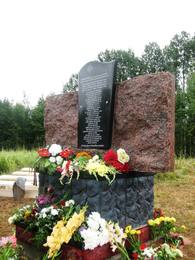
Commemorative sign to Arvīds Blūmentāls "Crocodile"
The Crocodile Monument is located in Dundaga, at the intersection of Talsu and Ernesta Dinzberga Streets. The two-tonne monument to Arvīds and other Kurzeme strongmen was erected in Dundaga in 1995. The sculptor is Oļegs Skarainis. An exhibition dedicated to Arvīds Blūmentāls is also located nearby in Dundaga Castle.
The "Crocodile", which sits on a pile of stones, tells the story of a Dundadz man's long journey after the Second World War and his sudden worldwide fame, becoming one of the prototypes of the modern world's adventurers. When Crocodile Dundee hit cinema screens in 1986, it quickly became a worldwide success. As people became interested in the characters depicted in the film, it became clear that such colourful characters could not be fictional! It soon became clear that the prototype for the main character was Australian - and that it was the Australian hunter Rodney Ansel, or the Latvian boy Arvīds Blūmentāls.
Arvīds Blūmentāls was born in 1925 in the home of Būdenu, Dundaga parish. During the Second World War he joined the 25th Abava Police Battalion - building positions in the north of Liepāja and taking part in anti-partisan operations in Ukraine. After the battalion was incorporated into the Latvian Legion, he took part in its battles and was wounded several times. During the fighting in the war, he ended up in Germany, where he escaped to American-controlled territory. After training at the Altferfrad Agricultural School, he enlisted in the French Foreign Legion in 1947 and took part in the first Indochina War, after which he moved to Australia in 1951 and began hunting in the rainforests of northern Queensland. He himself said he hunted between 10 000 and 40 000 crocodiles in his lifetime. When the Australian government banned the hunt, he moved to an opal mine in the town of Cumberpedie, got married and set up housekeeping in a mine cave, which he named 'Crocodile's Lair'. Arvydas Blumenthal died on 13 October 2006. During his lifetime, he was the subject of several documentaries, his home, the Crocodile's Nest, was the setting for Mad Max Beyond Thunderdome, and he himself became a living legend.

Memorial stone of the Soviet partisan unit "Red Arrow"
The Soviet partisan unit was formed on 30 September 1944, when 19 soldiers of the German 283rd Police Battalion, under the leadership of Vladimir Semyonov, deserted with their weapons. The battalion was formed in 1943 from volunteers from the Latgale region and took part in the anti-partisan operations of the German occupation authorities in the territory of Latvia and Belarus.
The unit was called "Semyonov Unit" after its commander and only at the end of the war adopted the name of "Red Arrows", which was already spread by Soviet propaganda after WWII. By December 1944, the unit had 300-400 partisans. Most of them were escaped Red Army soldiers, former Legionnaires, including fighters left after the destruction of General Kurel's group. Although many Red Army reconnaissance groups were active in Kurzeme at this time, they avoided close cooperation because the activities of the commander of the partisan unit and its main core in the ranks of the German police were too suspicious. The Red Arrow's activities were relatively poorly organised and more focused on waiting for the end of the war. During its activities it carried out extensive terrorising of the local population.
Vladimir Semyonov, the first commander of the Red Arrow, drowned on the night of 10 December 1944 while knee deep tried to cross the swollen Abava River. His corpse was found only in the spring of 1945 and buried. He was reburied in Kuldīga in 1961.
The monument is located on the site of the "Red Arrow" and other guerrilla camps in the area (about 50-70 people), which on 7 March 1945 was surrounded and attempted to be destroyed by German troops.
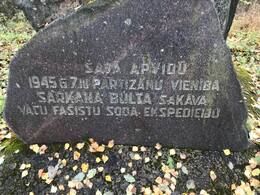
The White Cross - a memorial to fallen soldiers in World War II
Located on the right side of the P79 Ērgļi-Koknese highway, 3 km from Ērgļi, opposite the Brothers' Cemetery .
The White Cross is a memorial to the victims of World War II, it was erected in Ērgļi on May 8, 1995, consecrated on July 30. On the cross there is a memorial with the inscription "To the fallen soldiers of World War II".
In 1994, there was a grave marker there with the inscription "We remember the fallen."
Word of mouth has it that Latvian officers of the German army were buried in the LTK on leveled old Swedish burial grounds. No research has been done, so there is no documentary confirmation.

Memorial to the Captain J. Ozols Artillery Regiment
A memorial sign for the 7th Battery of the 3rd Division, commanded by Major Jānis Ozols, has been installed on the side of the Riga - Liepāja highway, in Džūkste parish, approximately one kilometer from the Memorial Site for the Defenders of Kurzeme.
During the Third Battle of Courland from December 23 to December 31, 1944, Major J. Ozols' III Division repelled the enemy's superior attacks, preventing the front from breaking through. In this battle, Major J. Ozols demonstrated personal heroism and commanding abilities.
Jānis Ozols (1904-1947) was an officer of the Latvian Army and the Latvian Legion, a recipient of the Army's Honor Roll Buckle, as well as a national partisan and victim of Soviet repression.
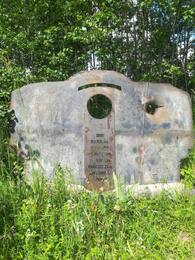
Latvian War Museum
The Latvian War Museum is located in the Old Town not far from the Freedom Monument in a historic defence building called the ‘Powder Tower’. There are 11 exhibits in the museum. There are various weapons, documents, uniforms, awards, badges and other items detailing the everyday life of a soldier in war. The Latvian War Museum is one of the oldest museums in Latvia. Its origins can be found in World War I. Museum’s collection was made up mainly of personal items of soldiers or items found on battlefields. After Latvia gained its independence the main goal of the museum became to create an exposition on the military history of Latvia and the active role of the population in protecting their land. In 1937 the museum was expanded and was technically one of the most modern museums in Europe at that time. The Powder Tower was one of the fortification towers of Riga. Some evidence dates back to 1330 where it has been mentioned as the ‘Sand Tower’. The tower was destroyed in 1621 when Riga was besieged by the Swedish Army. But in 1650 a new tower for storing gunpowder and weapons was built. After the city’s fortifications were taken down, the Powder Tower remains as one of the most important pieces of evidence of the Riga defence system.
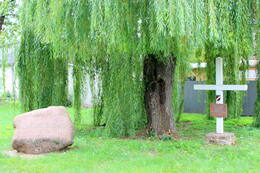
Memorial to the defenders of Bauska against the Soviet occupation in 1944 in the garden of the Holy Spirit Evangelical Lutheran Church
In the garden of the Bauska Holy Spirit Evangelical Lutheran Church, the defenders of Bauska – Latvian soldiers – were buried during the battles of 1944. During the years of the USSR occupation, playgrounds for a kindergarten were set up here. On November 9, 1996, a memorial stone created by sculptor Mārtiņš Zaurs was unveiled in the church garden. The text carved into the roughly worked red boulder under the Latvian Legion sleeve patch – a red-and-white representation of the shield – “Long live Latvia to you! To the defenders of Bauska in 1944.” The memorial stone was erected at the initiative of the Latvian National Soldiers’ Association and the Bauska branch of the organization “Daugavas Vanagi”. Financial support was also provided by the Bauska city and district municipalities. Next to the stone is a white-painted wooden cross, under which is attached a red-white-red painted replica of the legionnaires' shield, and even lower is a pink granite plaque with the text: "Here lie the legionnaires, the heroic defenders of Bauska, 1944.28.VII – 1944.14.IX"
Monument to the defenders of Jelgava against the Soviet occupation in 1944 in Grēbner Park
The memorial site for the participants of the July-August 1944 Jelgava defense battles against the second Soviet occupation was opened on May 8, 1995. In honor of this event, a service was held in Jelgava St. Anna Evangelical Lutheran Church and a flag-draped procession through Jelgava. An irregularly shaped granite stele stands at the memorial site, in which a cross is carved, which grows into the point of a sword. Next to it, to the left, a granite block in the shape of a truncated parallelepiped with the text “To the defenders of Jelgava 1944.28.VII-8.VIII” is placed in a gull-like manner.
The war in Jelgava began after Soviet troops captured Šiauliai in Lithuania on 27 July 1944 and continued their offensive northwards. In an effort to repel the Red Army, the newly appointed military commander of Jelgava, Lieutenant General Johann Flugbeil, declared it a “fortress city” and all available forces were to be used for its defense. Initially, the core of Jelgava’s defenders consisted only of soldiers from the 15th Latvian SS Weapons Division Training and Reserve Brigade under Lieutenant Colonel Herman Jurko and a few small German units. On the afternoon of 27 July, the Soviet 3rd Air Army began bombing Jelgava, attacking not only strategic military targets in the city and its outskirts – the railway station and roads – but also setting fire to some of the residential buildings. The city's buildings and civilians suffered from Katyusha rocket systems, artillery, and mortar fire fired at each other by both warring sides.
On July 28, units of the Soviet 3rd Guards Mechanized Corps launched an attack on the southern outskirts of the city, but were unsuccessful. On the morning of July 30, the attack was reinforced by the 279th and 347th Rifle Divisions of the 51st Army. Although Moscow Radio reported the capture of the city the next day, the USSR troops with reinforcements had managed to break into the city center, but not completely capture it. The right bank of the Lielupe River and the fortified bridgehead at the Driksa Bridge remained unoccupied by the Red Army. Fierce fighting also took place in Jelgava Castle, which came under Soviet control in early August. The Red Army moved cannons into the castle and fired from its windows at the positions of German and Latvian soldiers on the Kalnciema Road. Counterfire from German heavy artillery followed, which thoroughly destroyed the castle. On August 4, with reinforcements from Riga, the defenders of Jelgava temporarily managed to take control of the city. However, a massive Soviet offensive forced the German and Latvian soldiers to abandon Jelgava three days later.
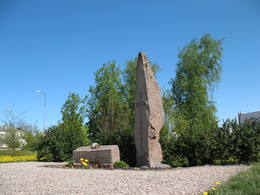
Memorial site for the soldiers of the 2nd Border Guard Regiment of the Latvian Legion in Iecava parish
The memorial site for the soldiers of the 2nd Border Guard Regiment of the Latvian Legion is located in Iecava municipality next to the Iecava–Baldone highway between “Dietlavās” and “Būčās” (house names).
The memorial was opened in 1998 with the support of the Latvian National Soldiers' Association and the Iecava branch of the Daugavas vanagi association. In 2023, an information stand was added with a description of the 2nd Border Guard Regiment and the battles against the Soviet army in September 1944.
After the fall of Bauska on September 14, 1944, Soviet army units, with the support of tank corps and aviation, advanced towards Riga and Baldone. Tank units crossed the Iecava River near the houses of the Russians, as the bridges had been blown up. During the air raids on Iecava, the Kalna mill was completely destroyed, the church, the rectory, the distillery, and the dairy were severely damaged, and residential buildings were completely or partially destroyed.
On the night of September 15-16, the 2nd Border Guard Regiment, led by Lieutenant Colonel Jānis Jansons, arrived from Riga at a gap in the front near Grimu House on the Jelgava-Krustpils railway line. They had to confront tank units with small arms. During the four days of fighting, the regiment's soldiers destroyed 20 Soviet tanks in close combat with tank "fists", of which Private Plūksna alone destroyed five, Corporal Sirmbārdis - two. The regiment's losses were heavy: four officers, 24 instructors and soldiers fell. Eight officers, 161 instructors and soldiers were wounded.

Связанные истории
Бои в курляндской крепости близ Лестене
Рассказчик описывает свои впечатления от боев в районе Лестене и роли в них 19-й Латышской дивизии.
Воспоминания Вернера Прейерса, командира роты 42-го полка Латышского легиона, о боях в Курляндии.
Курляндская крепость была образована после падения Риги 13 октября 1944 года и прорыва советских войск к Клайпеде 10 октября, что прервало сухопутное сообщение с Германией.
Непризнанные солдаты. Рассказ боевого офицера.
Битва при Море — эпизод завершающего этапа Второй мировой войны, имевший большое значение для дальнейшего хода войны на территории Латвии. Битва при Море — боевые действия, происходившие с 25 сентября по 5 октября 1944 года на Сигулдской оборонительной линии на территории Морской волости. В окопах Сигулдской оборонительной линии, протяжённостью около 12 км, бойцы 19-й дивизии Латышского легиона, ведя тяжёлые бои с 10-15-кратным превосходством противника в течение 10 дней, остановили продвижение частей Красной/Советской Армии к Риге.
Встреча с Арвидом Блументалсом - Крокодил Гарри в Камберпедии
В газете "Australian Latvian" опубликована статья о встрече с Арвидом Блументалсом в его доме в Австралии.
(Небольшой эпизод из путешествия к истокам центра и западного побережья Австралии вместе с Айварсом и Бенитой Браун).
Битва при Пилсблидене в воспоминаниях Робертса Анцанса
Роберт Анканс (11 ноября 1919 - 1 января 1982) - офицер Латышского легиона, кавалер Рыцарского креста Железного креста, участвовавший в боях под Пилсблиденом 16 и 17 марта 1945 года. Шестая Курляндская битва продолжается уже четвертый день. Анзанс служил в районе Пилсблидена и поэтому хорошо знал местность. Дивизия Анзана снова отвлекается из-за очередного разрыва фронта - вторжения Красной Армии на глубину 8 км. В этих боях Анзанс получает ранение.
Способности командира 19-го артиллерийского полка капитана Яниса Озолса в 3-м Курляндском сражении
Капитан Янис Озолс — латышский офицер, участник Второй мировой войны, кавалер ордена Трех звезд, артиллерийский дивизион которого не допустил прорыва фронта во время Третьей Курляндской битвы.
Наследие легионера Андрея Апситиса в лесу Ремте
Свидетельства Второй мировой войны в лесах Курземе время от времени находят, поскольку любители военных реликвий и исторических древностей часто посещают леса и поля Курземе с металлоискателями. В начале 2021 года на Ремтской стороне Салдусского края в закопанном в лесу ящике с боеприпасами были обнаружены различные документы, подтверждающие принадлежность к 19-й дивизии Латышского легиона, а также личные вещи солдата. Они пролежали в земле 76 лет.
Рапорт капитана Яниса Озолса из III/19-го артиллерийского полка (2-й латышский) о боях 24 и 25 декабря 1944 года
Командир дивизии капитан Янис Озолс в рапорте от 27.12.1944 г. командиру 15-го (1-го Латышского) артиллерийского полка СС сообщает о потерях орудий 7-й, 8-й и 9-й батарей в боях 24–25 декабря в районе Звейниеки — Дирба.
Альфред Риекстиньш — кавалер Рыцарского креста
В начале 1945 года в Курляндской крепости всё ещё шли ожесточённые бои, где латыши сражались в рядах немецкой армии. Одним из них был Альфред Риекстиньш из 19-й дивизии. За проявленную храбрость Риекстиньш был награждён Рыцарским крестом и вручён в замке Ремте. Незадолго до капитуляции он стал лейтенантом.
Действительно ли верно это утверждение "Около 110 000-115 000 латвийских воинов сражались во Второй мировой войне, около 30 000-50 000 из них ушли из жизни на полях сражений."? Мне трудно поверить, что латышский солдат понес больше потерь в немецкой армии, чем в Красной Армии. 50 000 павших означает, что пал почти каждый второй. Можно было бы также предположить, что общее число павших и раненых составляет 50 000 человек, но только павших? С уважением, Агрис Пурвиньш