
Sarkanais terors
Pirmais pasaules karš, Neatkarības kari


The Red Terror was an official policy declared by the Bolshevik government in power in Russia, the Council of People's Commissars (TsKP), on September 5, 1918: the targeted and legitimate imprisonment of persons undesirable to the regime in concentration camps or physical extermination without charge, investigation, trial, or proof of guilt. The Red Terror was officially ended on November 6, the day before the anniversary of the October Revolution. However, brutal repressions against perceived and real opponents of the Bolshevik regime continued, and the end of the Red Terror is usually associated with the end of the Russian Civil War in 1922.
The official reason was the failed assassination attempt on Lenin by the Social Revolutionary Fanny Kaplan (1890-1918), which left the Bolshevik leader wounded. After receiving news of the assassination attempt on Lenin, the All-Russian Central Executive Committee called for the launch of a ruthless mass terror campaign against the enemies of the revolution. However, the official decision to begin the Red Terror was made by the government of Soviet Russia - the Council of People's Commissars (TKP) - on September 5, 1919. The main institution that implemented the Red Terror was the All-Russian Extraordinary Commission and various repressive structures subordinate to it, as well as Bolshevik activists on their own initiative. Already on the first day of the Red Terror, more than 500 people who were undesirable to the regime or simply “suspicious” (too well dressed or known as intelligentsia, officers, former civil servants or simply wealthy people) were murdered in Petrograd. In total, over 1,200,000 people were killed during the years of this policy.
One of the authors and main ideologists of the idea was the prominent Chekist Mārtiņš Lācis (Jānis Sudrabs; 1888-1938), who developed and popularized this concept: "We are not waging war against individual persons. We are destroying the bourgeoisie as a class. During the investigation, do not look for material and evidence that the accused acted against the Soviet power in deeds or words. The first question you should ask him is what class he belongs to, what is his origin, upbringing, education or profession. These questions should also determine the fate of the accused. This is the meaning and essence of the Red Terror."
Another Latvian, Jēkabs Peterss, was the deputy of the head of the Cheka, Felix Dzerzhinsky, in the autumn of 1918. Several hundred Latvians worked in the Cheka apparatus at that time. On the other hand, there were also many Latvians among those killed by the Bolsheviks, and many, for example, members of the Provisional Latvian National Council, were forced to hide or flee from Russia to save their lives. After the Bolshevik invasion of Latvia in November 1918, the Red Terror began here as well, which claimed the lives of at least 2-3 thousand people. In every district of Latvia, the Bolsheviks established revolutionary tribunals; several concentration camps were created (the largest in Pļaviņas); persons undesirable to the regime were hunted down by the Bolshevik secret police – political subdivisions. In the spring of 1919, mass executions began in Latvia. Thousands of people were taken hostage and placed in prisons where filth reigned and epidemic diseases (flu, typhus, etc.) were rampant.

Papildus izziņas avoti
https://vesture.eu/Sarkanais_terors
https://www.lsm.lv/raksts/dzive--stils/vesture/kas-un-kapec-jazina-par-sarkano-teroru-krievijas-pilsonu-kara-laika.a291271/
https://www.dveseluputenis.lv/lv/laika-skala/notikums/107/bads-un-sarkanais-terors-kurzeme-un-vidzeme/


Saistītās laikalīnijas
Saistītie objekti
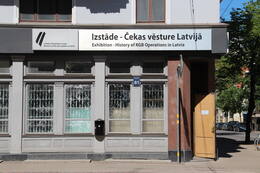
"Stūra māja" - bijusī PSRS VDK ēka
Atrodas Rīgā, Brīvības un Stabu ielu krustojumā.
1911. gadā būvētais nams ir viens no skaistākajiem Rīgā. Tautā saukts par “Stūra māju”, ir baisākais Padomju okupācijas režīma simbols Latvijā. “Čeka” bija īpaši represīva struktūra - viens no PSRS varas balstiem. Tās darbība Latvijā cieši saistīta ar ēku Brīvības un Stabu ielas stūrī.
“Stūra mājā” čeka darbojās okupācijas laikā no 1940.gada līdz 1941. gadam un atkal, sākot no 1945.gada līdz 1991. gadam. Politiskās vajāšanas tiešā veidā skāra ap desmitiem tūkstošu Latvijas iedzīvotāju. Padomju varas pretinieku apkarošana turpinājās arī pēc 2. pasaules kara. Čekas darbības metodes nedaudz mainījās pēc Staļina nāves. Fizisku mocīšanu nomainīja psiholoģisks terors. Vairākums čekas aģentu bija latvieši (52%). Krievi bija otrā lielākā grupa - 23,7 %. 60,3% aģentu nebija Komunistiskās partijas biedri. Augstākā izglītība bija 26,9% aģentu. Sistēma bija veidota, lai iesaistītu vietējos iedzīvotājus un tādējādi panāktu kontroli pār sabiedrību. Čekas darbības metodes Latvijā nav pilnībā izpētītas. Darbinieku saraksti un dienesta lietas atrodas Krievijā. Latvijas varas iestādēm un pētniekiem tās nav pieejamas.
Mūsdienās var aplūkot Latvijas Okupācijas muzeja izstādi par “čekas” darbību Latvijā. Kopā ar gidu var izstaigāt cietuma kameras, gaiteņus, pagrabu un iekšpagalmu.
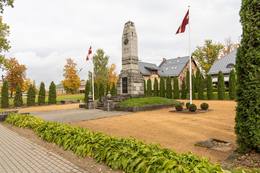
Monument to the fallen heroes of Gulbene parish for the freedom of Latvia
Located in the historical center of Gulbene, opposite the Gulbene Evangelical Lutheran Church.
Monument to the victims of the 1905 riots, the members of the Gulbene congregation who fell in World War I and the Latvian War of Independence, and the victims of the Maliena Tribunal. The monument was designed by E. Ābeltīns and was unveiled in 1929 opposite the Gulbene Evangelical Lutheran Church. After World War II, a five-pointed star was placed on the monument, then - on its base - a plaster image of a Soviet soldier painted in bronze, and a cemetery for fallen Soviet soldiers was established behind the monument. When in 1969 the new cemetery for Soviet soldiers who fell in World War II was opened in Spārīte Park, the remains of the fallen were transferred there, but the site of the monument was leveled with the ground. In the autumn of 1989, the foundations of the monument were excavated and the capsule with the text, which had been walled in them in 1928, was brought out. The monument was restored in 1992 (sculptor O. Feldbergs).
Between December 24, 1918 and May 31, 1919, when the 1st (4th) Valmiera Infantry Regiment liberated Gulbene from the Bolsheviks, the church housed the Maliena (Vecgulbene) Revolutionary Military Tribunal and Workers' Club. Its activities were notable for the severity of its decisions and the large number of death sentences, often for minor offenses - 349 cases were investigated, in which 606 persons were accused.
A memorial sculpture is visible.
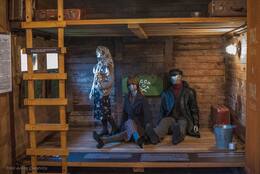
Deportāciju piemiņas vagons - muzejs pie Skrundas stacijas
Deportāciju vagons atrodas Skrundas stacijā pie pasažieru perona.
Vagons un pie tā esošais piemineklis veltīts 1941. un 1949. gada deportācijās cietušajiem Skrundas un tuvāko pagastu iedzīvotājiem. Piemiņas vieta iekārtota un atklāta 1998. gada 25. martā, bet vagons un ekspozīcija atjaunoti 2020. gadā. Ekspozīcijā redzami no tuvākās apkārtnes izsūtīto iedzīvotāju saraksti, aplūkojamas fotogrāfijas un lasāmi stāsti par izsūtījumā pieredzēto.
Skrundas stacija bija izvešanai nolemto cilvēku savākšanas punkts, viena no trim apriņķa stacijām, uz kuru tika atvesti cilvēki gan no Skrundas, gan Kuldīgas apkārtnes. 1941. gadā no šejienes uz Sibīriju, Krasnojarskas novadu izveda arī atjaunotās Latvijas Republikas pirmā prezidenta Gunta Ulmaņa ģimeni.
Šādos un līdzīgos preču vagonos padomju okupācijas vara 1949. gadā deportēja Latvijas iedzīvotājus, kurus atzina par potenciāli bīstamiem padomju varai, balstoties uz viņu piederību nosacīti turīgākajam zemnieku slānim. Ar deportāciju palīdzību padomju vara izrēķinājās ar Nacionālo partizānu atbalstītājiem un vienlaikus iebiedēja palikušos lauku iedzīvotājus, piespiežot tos iestāties kolhozos.
Vagons ikdienā ir aizslēgts - vagona atslēga pieejama Skrundas stacijā pie dežuranta.
Komunistiskā terora upuriem veltītas piemiņas vietas izveides ideja pieder skrundeniekam Ivaram Eņģelim. Vagonu muzejam piešķīra VAS ”Latvijas dzelzceļš”. Skrundenieki Jelgavas pusē atrada šo vagonu, paši saviem spēkiem to uzstādīja Skrundā un izremontēja. Vagonam, kā uzskata paši dzelzceļnieki, ir liela vēsturiska vērtība. Tas būvēts piecdesmitajos gados, un tieši šādos lopu vagonos tika izvesti Latvijas iedzīvotāji.
1941. gada 14. jūnijā un 1949. gada 25. martā padomju okupācijas režīms realizēja Latvijas iedzīvotāju masveida deportācijas, no Latvijas izsūtot desmitiem tūkstošu cilvēku, tai skaitā bērnus, sirmgalvjus un sievietes mātes cerībās. Tikai retajam izdevās paņemt līdzi siltas drēbes un pārtiku. Daudzi mira pa ceļam uz Sibīriju, daudziem nācās sākt jaunu, grūtu dzīvi tālā, svešā zemē…
Exhibition "Latvian Army in Pļaviņas in the 20th Century."
Located at Odzienas Street 2, Pļaviņas.
The permanent exhibition "Latvian Army in Pļaviņas in the 20th Century" is on display.
The building in Pļaviņas, at Odzienas Street 2, has a long history – from the time when the Stukmaņi wholesaler Hugo Apeltofts began active economic activity there, thus contributing to the development of the city of Pļaviņas, to the moment when the headquarters of the Latvian Eastern Front was established here during the War of Independence. In 1919, it was from Pļaviņas that the operations of Latvian army units against the Red Army in Latgale were led.
In 1934, a memorial plaque was unveiled near this house with the inscription: “In 1919, the Eastern Front headquarters was located in this house, and here General Jānis Balodis assumed the supreme command of the Latvian National Army.” The Soviet government removed and destroyed it in 1940, but on June 16, 1990, with the support of the Pļaviņa branch of the Latvian National Liberation Army, it was restored.
Now, near the former headquarters building, there is a memorial stele dedicated to the 15 knights of the Lāčplēsis War Order born in the Pļaviņa region, and an exhibition "The Latvian Army in Pļaviņa in the 20th Century" has been created inside the premises, which tells about the events during the Freedom Struggles, the activities of the headquarters of the 3rd Latgale Division of the Latvian Army in Pļaviņa, and also provides an insight into the life stories of the knights of the Lāčplēsis War Order.
Not far from the exhibition building is the Latgale Division Headquarters building, which was built in 1913 as the Stukmanu liqueur factory by Count Teodors Medem. In 1919, it was taken over by the P. Stučka regime, where it had also established a prison. After the Bolsheviks were expelled, the building was taken over by the Latvian Army in 1925, which housed the Latgale Division Headquarters. 10 generals and other officers of the Latvian Army spent their military careers in this building. In 1940, the building was taken over by the Red Army. In the post-war years, it housed a school, as well as the municipality. Around 1970, the building began to be used by the production association “Rīgas Apērbs”.
Visiting the exhibition must be booked in advance by calling T. 28442692.
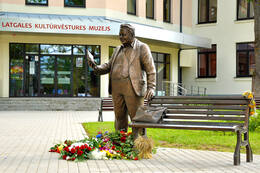
Latgale Culture and History Museum
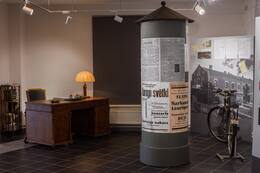
Three permanent exhibitions are on display at the Latgale Culture and History Museum in Rēzekne. One of them – “Rēzekne laikmetu griežos” (Rēzekne through Ages) – tells the story of the history of the city over seven centuries. A significant part of it is devoted to the events, wars and changes of the 20th century: World War I, the War of In dependence, World War II, the destruction of Rēzekne in 1944 by the Soviet bombers, as well as the prisoner-of-war camp Stalag 347. The exhibition includes a photo booth about the fates of the soldiers from Rēzekne during the war.
During the period of the free state of Latvia, the soldiers of the 9th Rēzekne Infantry Regiment of the Latvian Army stationed in Rēzekne were an integral part of the public life of the city and sporting events, especially during the celebrations of the 11th and 18th of November.