



Military Heritage Tourism tours with educational programs for schoolchildren
This section includes one-day routes for students, which include objects – museums, collections, military sites, theme parks, bunkers, coastal defense batteries, battle sites, etc. – with specially prepared educational programs. The routes are not long (the mileage is indicated), and they are not oversaturated with sights, so that they can be explored in one day. The route descriptions indicate the start and finish points, the time spent and what educational programs are available there. The route descriptions indicate sights, clicking on which provides more detailed information about the object – what services are available there, what historical periods, timelines and topics it is related to. The educational programs indicate the name, target audience age, topic, what content the program includes, the minimum or maximum group size, how to apply for a visit and other useful information. The route description also includes a map indicating the sights and the recommended route line. The routes can be used by schools to learn about the relevant history topic in a real environment where the mentioned events took place, or in museums, collections, etc., where real historical artifacts are on display. The routes can also be explored by parents with children individually. The routes have been created in three Baltic countries. Some of them are cross-border routes connecting two or all three countries.
Mangalsala trails

Short story
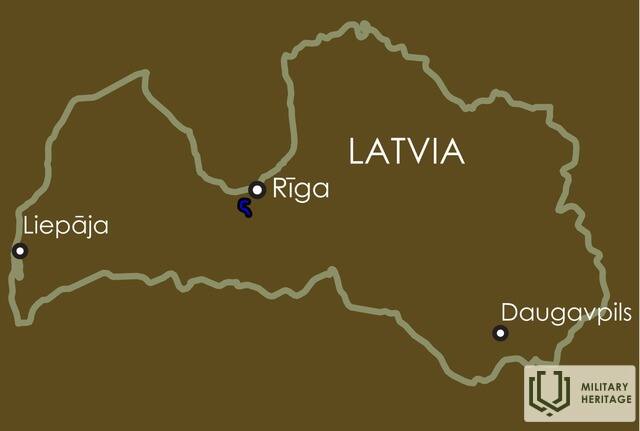
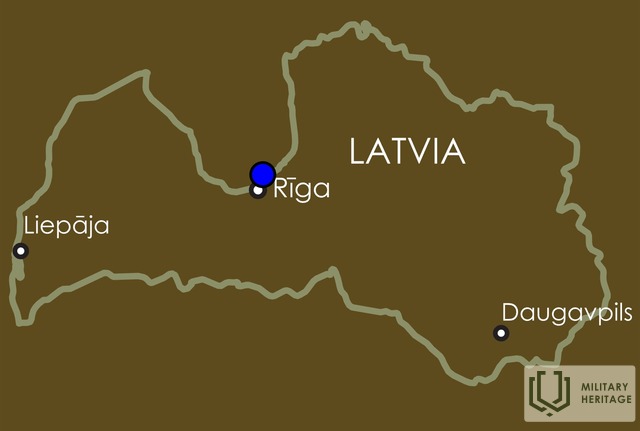
Blizzard of Souls on the Plain of Tireli
The route is dedicated to the Christmas battles of the First World War. It starts at the Antiņi Brothers' Grave Memorial and leads through the Latvian Riflemen's battle sites in Tīrelpurva to Ložmetējkalns and the Christmas Battle Museum "Mangaļi". Along the way, you can see trenches, dugouts, a hospital warehouse, the LVM observation tower and the "German Wall", which is a unique section of German defensive fortifications in the Baltics, providing a vivid picture of the experience of the riflemen's battles. Finally, in the "Mangaļi" museum, you can explore both the indoor and outdoor exhibition with authentic fortification elements, as well as go on a 7 km educational trail with 18 stops, which expands your understanding of the place of historical events.
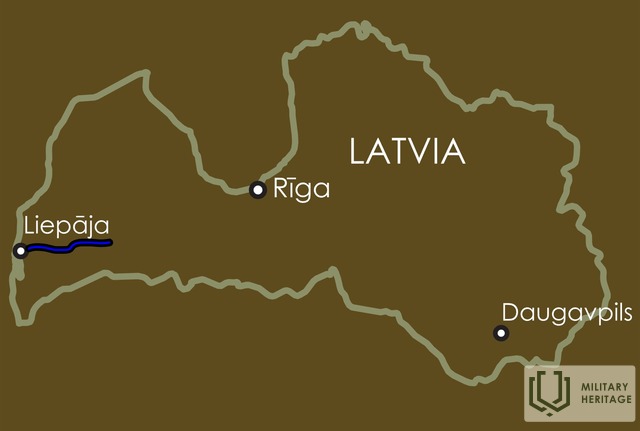
On the Path to Freedom: Soldiers' Memorial and Battle Sites in Kurzeme
This route in Kurzeme covers the Latvian struggle for independence, the legacy of World War I and the Soviet occupation. It starts at the Oskars Kalpaks Museum “Airītēs” and leads through Skrunda to Liepāja and Karosta. Along the way, you can get to know Kalpaks’ personality and the events of the War of Independence, as well as the environment of the Skrunda Manor and the military heritage of Liepāja, including Redan, the Northern Forts and Karosta Prison. Finally, in Karosta, a strong historical contrast is revealed — from coastal defense fortifications to the experience of imprisonment and military life, which allows you to experience several layers of 20th-century history in one place.
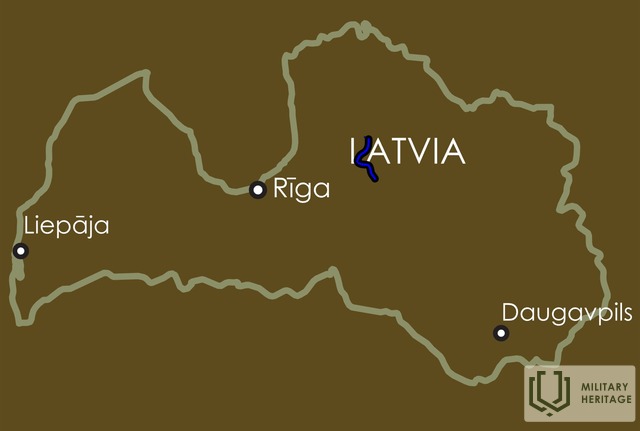
Military Heritage in Vidzeme: Freedom Struggles, Legionnaires, Forest Brothers and Deportations
This route, located in Vidzeme, connects the testimonies of the Latvian War of Independence, World War II, the Cold War and Soviet repressions, starting in Cēsis - at the exhibition "The Fire of Conscience" and ending at the Melanija Vanaga Museum on the Amata side. Along the way, students will be able to experience both the historical significance of the Cēsis battles at Ieriķi station, and the stories of the national partisan movement in the forest brothers' bunker, as well as learn about the experience of Soviet deportations through museum exhibitions and virtual installations. The route provides an emotionally multi-layered insight into Latvia's 20th century history, combining battle sites, memorials and personal stories of survival into a single experience.
Courland Fortress and National Partisans
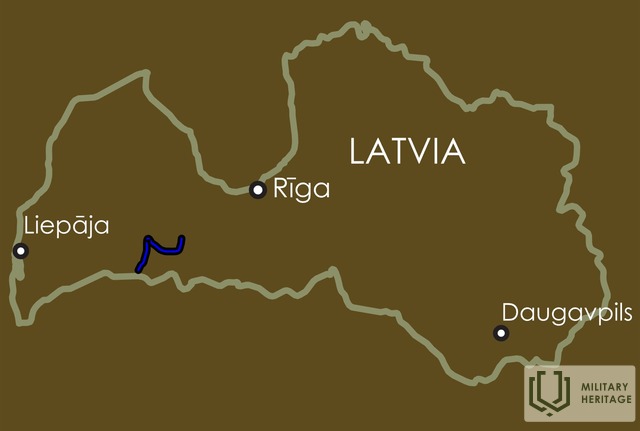
This route covers the evidence of World War II, national partisans and Soviet occupation, starting at the Īle national partisan bunker and leading through the former Zvārde training ground to Saldus and further - the Ezere Customs House. Along the way, you can get to know both the dramatic scale of the partisan battles and the impact of Soviet military infrastructure on the environment and local residents. Finally, a historical turning point is revealed in Ezere - the place of the capitulation of the Kurzeme Cauldron, which marks the final stage of World War II.
Defense lines in the First and Second World Wars
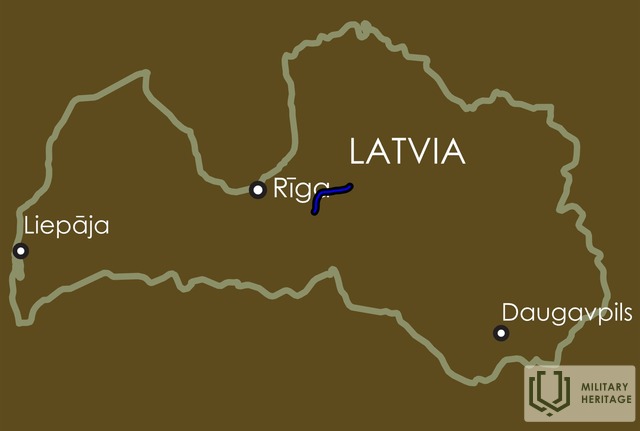
This route in Vidzeme leads through the battlefields of the First and Second World Wars and the legacy of the Soviet occupation, tracing the events from Tīnūži to Morei. Students will visit the surroundings of Tīnūži Manor, Ropaži and Allažmuiža, as well as the Morei Battle Museum and Memorial Park, where they can understand the significance of the battles of 1944 in the history of Latvia. The excursion combines historical knowledge with an authentic battlefield experience in a natural environment.
Soviet occupation of Riga and Latvia
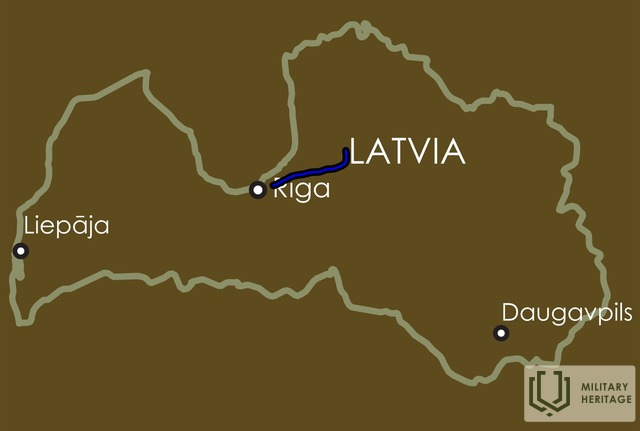
This route takes you through the most significant memorial and educational sites from the Soviet occupation of Latvia, starting from the “Corner House” in Riga to exhibitions in Sigulda, Līgatne and Skaļupės. Students learn about the mechanisms of the totalitarian regime, people’s fates and stories of resistance, using both authentic buildings and museum exhibitions.
The most secret places in Latvia
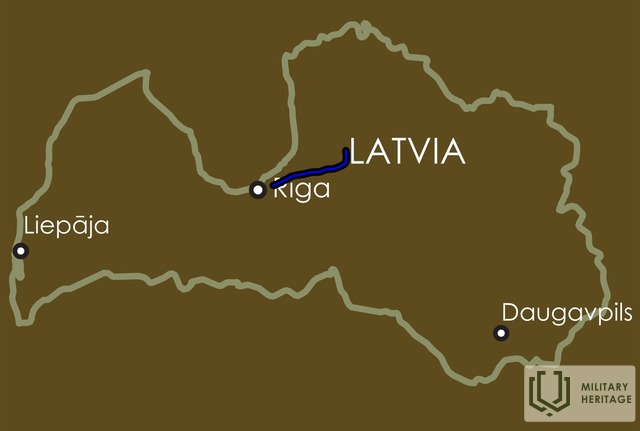
This short but very intensive excursion to Riga, the capital of Latvia, introduces the system of repression and mechanisms of power during the Soviet occupation. By visiting the Latvian Occupation Museum and the “Corner House”, students experience an authentic insight into the fate of people, the conditions of imprisonment, and the impact of the totalitarian regime on society.
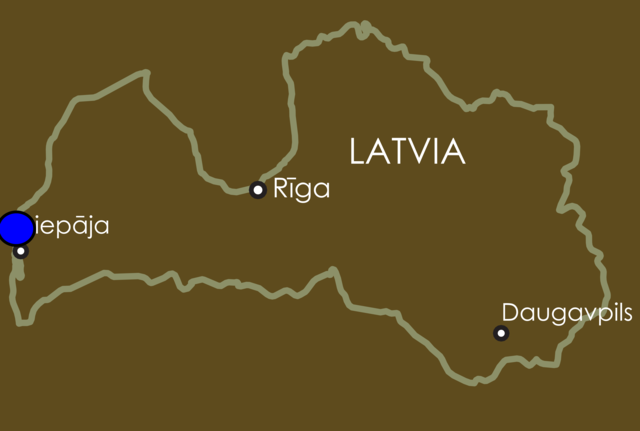
Karosta - a city within a city
Karosta is the largest historical military area in the Baltics, occupying almost a third of the territory of Liepāja. It is a unique complex of military and fortification heritage on the Baltic Sea coast, where luxurious late 19th-century architecture and military severity intertwine.
The port was built for the needs of the Russian Empire by order of Tsar Alexander III. Construction began in 1890, creating an autonomous military city with a port, fortress, church, schools, power plant and water supply. The new port was opened in 1893, and the main construction work was completed in 1906.
At the beginning of World War I, part of the port and fortress were destroyed, and in 1915 Liepāja was occupied by German troops. During the Soviet era, Karosta was a closed military area, but the last Soviet soldiers left it in 1994.
Today, Karosta is one of Liepāja's most popular tourist attractions.
Military and aviation heritage in Southern Estonia
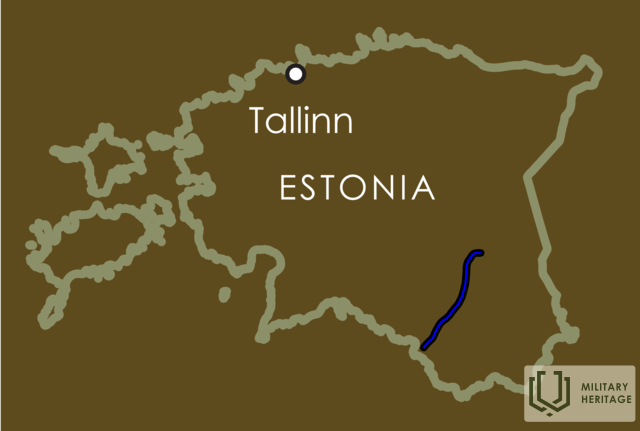
This educational tour takes you through the most important stages of Estonian military and aviation history – from World War I and the independence struggles to World War II and the Soviet occupation. On the route from Valga to Lange, students will visit the Valga Military Museum and the Estonian Aviation Museum, where they will not only learn about history, but also experience it through interactive activities. The tour combines educational content, practical experience and exciting technology.
Military heritage of Hiiumaa Island
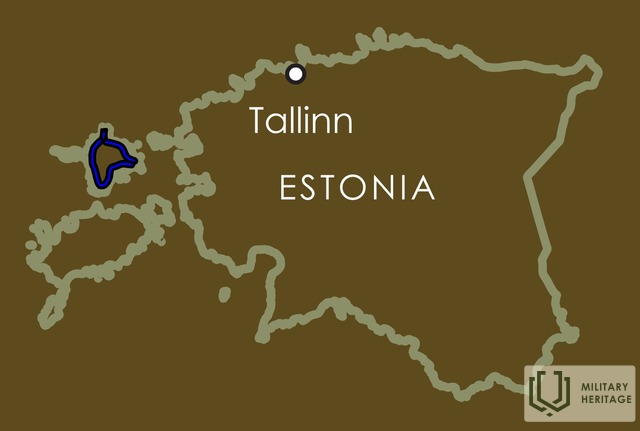
This one-day tour of Hiiumaa Island introduces Estonia's military heritage from World War I and the War of Independence to World War II and the Cold War. Students will visit coastal defense batteries, a military museum, historical fortifications and memorial sites that tell the story of the soldiers' daily lives, their courage and the impact of war on the local population. The route offers an opportunity to explore history in an authentic environment, combining learning with practical and emotionally engaging experiences.
Military heritage of Saaremaa
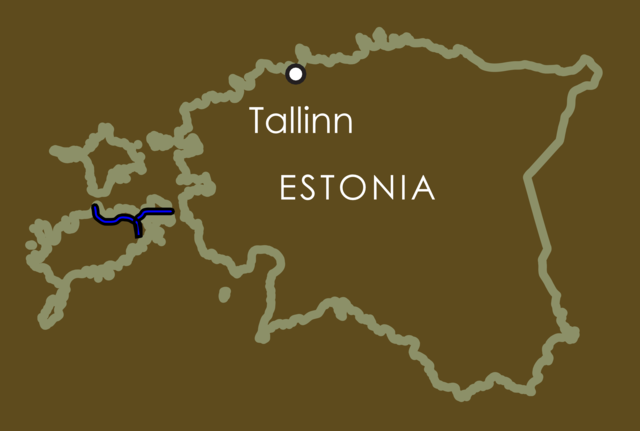
This exciting excursion to the islands of Muhu and Saaremaa allows students to explore the military heritage of the First and Second World Wars on the Baltic Sea coast. The route includes historical coastal defense batteries, landing sites, memorials and a war museum, which help to understand military strategy and the impact of war events on the islanders. The excursion provides an opportunity to learn about history in an authentic environment, exploring preserved fortifications and evidence of war in nature.
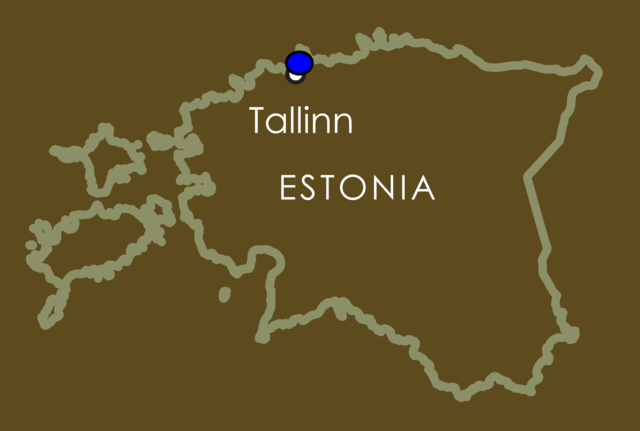
Estonian military history – in one day!
This tour of the Estonian capital takes you through the most significant events in the country's 20th-century history – from World War I and the War of Independence to World War II, the Soviet occupation and the restoration of independence. Visiting the War Museum, the Memorial to the Victims of Communism, the KGB Prison Cells and the Vabamu Museum, students will learn about both military history and people's personal stories of freedom, resistance and repression. The route encourages understanding the impact of historical events on society and the value of democracy today.
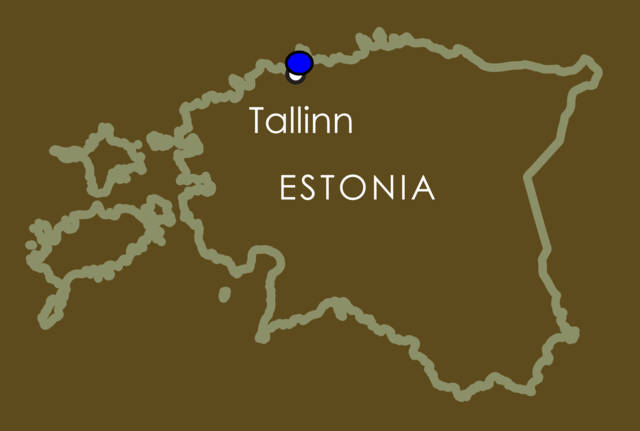
Submarine, Icebreaker, Oldest sea wreck
This tour in Tallinn introduces students to significant sites of military history and occupation heritage from the First World War to the Soviet occupation period. By visiting the Paterei Sea Fortress and the Lennusadam Museum, students will be able to understand both the harsh reality of war and repression, as well as the development of naval and aviation technologies. The route offers an exciting and emotionally engaging opportunity to learn about history in an authentic environment.
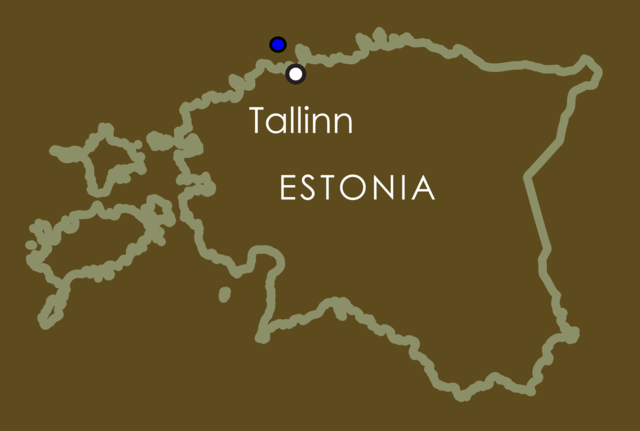
Naissaare Island – one of the most secret sites of the Soviet era
This one-day excursion to Naissaare Island allows students to explore several stages of 20th-century history – from World War I and the War of Independence to World War II and the Soviet occupation. The island, which has long been a military territory, features coastal defense batteries, bunkers, a narrow-gauge railway and other military infrastructure remains that reveal its strategic importance in different eras. The route combines active hiking with living history exploration in a natural and authentic environment.
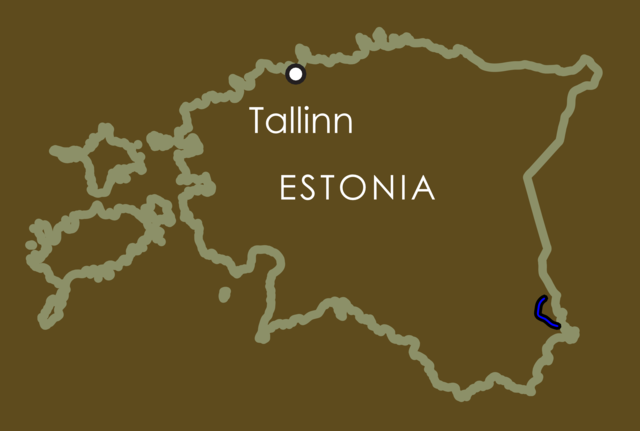
Testimonies of military events in Setomaa – the land of the Seto
This 20 km long excursion in the Setomaa region takes students through important stages of 20th century history – from the War of Independence to the Soviet occupation. On the route from Värska to Saatse, you can explore the War of Independence Monument, the former Northern Camp and the Värska Visitor Center, as well as the Saatse Museum, which reveals stories of border life and culture. The excursion combines historical knowledge with real-world experience, allowing you to understand the unique role of the Setomaa region in Estonian history.
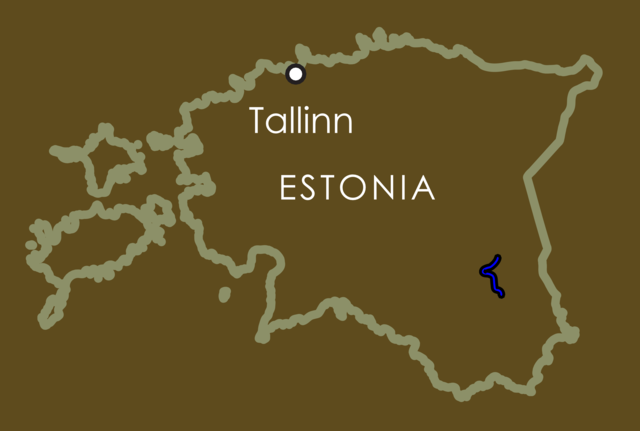
The military heritage of Tartu and the surrounding area on land and in the sky
This 25 km route from Tartu to Lange introduces students to the heritage of the Estonian War of Independence, World War II and the Soviet occupation, combining battlefields, monuments and museum exhibitions. The trip includes learning about the history of Tartu military aviation, seeing the KGB Cells Museum, the remains of the anti-tank line and monuments of the War of Independence, and finally exploring the Estonian Aviation Museum.
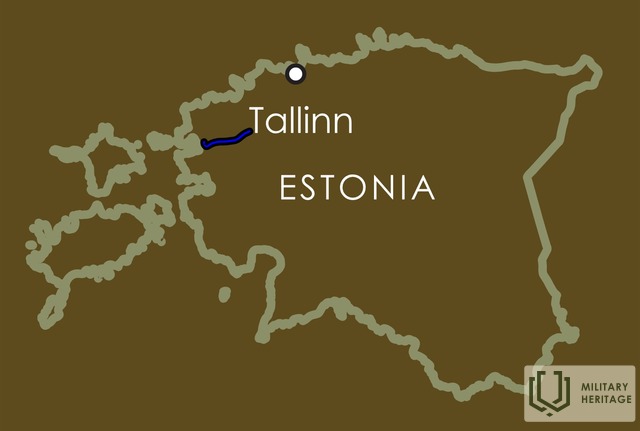
“On the Tracks of History” – Haapsalu and Lääne County
The route introduces the places of memory of the War of Independence, World War II and the Soviet occupation. Students will visit the deportation memorial site "Railway Tracks Remember", the War of Independence monuments in Nigula and Haapsalu, as well as the Haapsalu Railway and Communications Museum, where history becomes tangible through objects and stories.
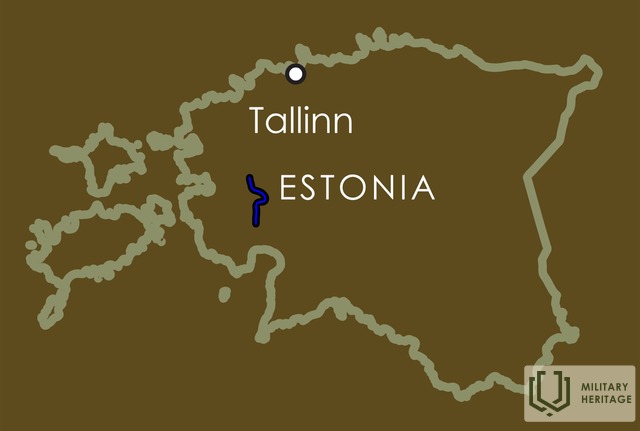
Museum Railway and Põrgupõhja Bunker
The 55 km long route in Western Estonia leads through places related to World War II and post-war events, allowing you to learn about the fate of German prisoners of war, memorial sites of the War of Independence and the national partisan or Forest Brothers resistance movement. At the end of the journey, in the Põrgupõhja bunker, visitors can gain an authentic insight into the life of the Forest Brothers and the fight against the Soviet occupation.

“Iron Curtain” on the Lithuanian coast
The route introduces the history of World War II, the national partisan and Soviet occupation periods, as well as the restoration of independence. Students will visit military fortifications, museum exhibits, a mine-clearing ship and a resistance movement museum, which reveal the reality of war. The excursion combines authentic places, interactive experiences and personal stories about the historical events of the 20th century.
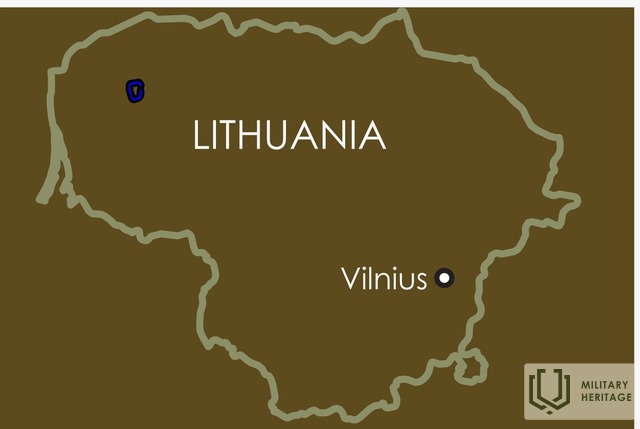
The Cold War in the Platelia Lake area, Samogitia National Park
The route takes you through the former ballistic missile base and its surroundings, introducing you to the legacy of World War II, the tensions of the Cold War, and the reality of Soviet occupation. Students will visit underground missile silos, a military camp, and memorial sites that reveal both the everyday lives of soldiers and the importance of the resistance movement and the preservation of historical memory. The excursion provides an opportunity to understand 20th-century security policy, ideological conflicts, and human experiences under totalitarian regimes.
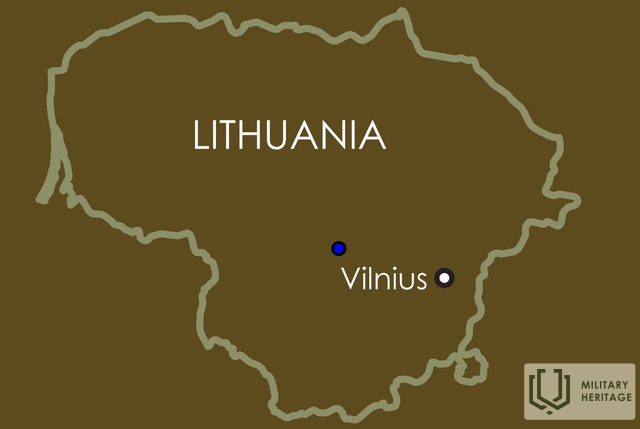
World War II in Kaunas and Soviet spy games
The route is located in Kaunas and introduces the stages of Lithuania's military history - from the First and Second World Wars to the Soviet occupation and the Cold War. Students will visit Kaunas Fort IX, the KGB nuclear bunker and the Vytautas the Great War Museum, where they can understand war crimes and repressions, as well as the activities of the secret services and the development of military equipment.
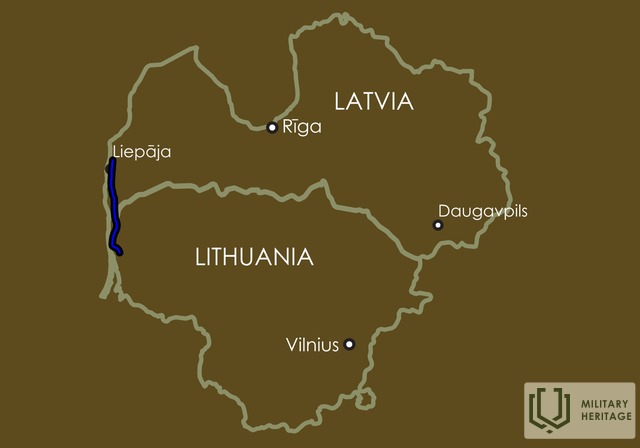
Coastal defense structures and fortresses in Liepāja and Klaipėda
This 105 km long route from Karosta to Klaipėda introduces the military heritage of the First and Second World Wars, as well as the Soviet occupation, on the Baltic coast. Students will visit the Karosta Prison and Redan Fort in Liepāja, the “Memel-Nord” coastal defense battery and the interactive “Escape bunker 1944”, where history becomes a living experience. The excursion combines authentic war testimonies in nature with educational activities, allowing them to understand both the events of the battles and the human experience during the occupation.
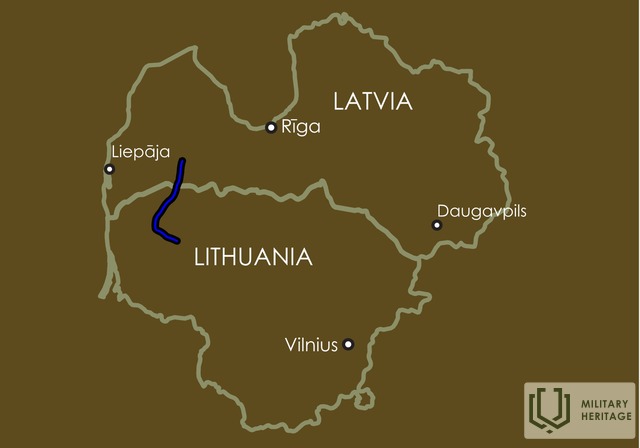
The end of World War II and the beginning of the Soviet occupation of Courland and Samogitia
The route, located between Latvia and Lithuania, will introduce students to the legacy of World War II, national partisan battles and the Soviet occupation in Kurzeme and Samogitia. Students will visit the Ezere Customs House, the Saldus German soldiers’ cemetery, the Plokštine Cold War Museum and the Samogitian Museum “Alka”, where they can trace both the events of the war and the history of occupation and resistance. The excursion provides an opportunity to understand the impact of the 20th century conflicts on the people and landscape of the region.

The First World War on the Latvian-Lithuanian border
The route “The First World War on the Borderlands of Latvia and Lithuania” introduces the events of the First World War on the Eastern Front in Latgale and Aukštaitija. It begins at the Medumi First World War Museum, where you can learn interactively about the everyday life of soldiers and military equipment. The route then leads to the Turmantas exhibition and the Kimbartiškis German army positions, where bunkers, artillery positions and historical evidence of battles can be viewed. Overall, the route provides a brief but educational insight into the life of the front and the impact of the war on the borderlands.

National partisans on the border of Latvia and Estonia
The route “National Partisans on the Border of Latvia and Estonia” introduces the heritage of World War II, the Soviet occupation and the Forest Brothers resistance movement in Vidzeme and Setum. The journey begins at Stompaku Bog and Alūksne Museum, continues with memorial sites and bunkers, including “Jumba” and the places where the Forest Brothers lived, as well as Metsavenna Talu, where you can experience the everyday life of the partisans. The route ends at Võru County Museum, providing a broader insight into the history of the region and the significance of the resistance movement in Baltic history.
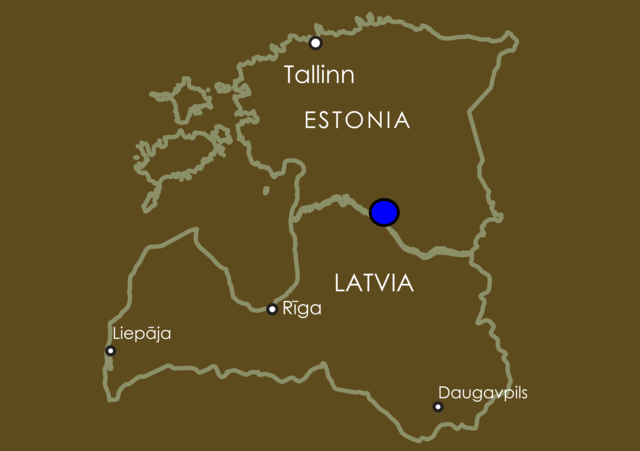
Border towns of two countries - Valka and Valga
The route “Border Towns of Two Countries – Valka and Valga” introduces the most significant historical evidence of the 20th century on the border of Latvia and Estonia. During the tour, participants learn about the First World War, the Latvian independence struggle, the Second World War and the period of Soviet occupation, visiting such objects as the exhibition “Valka – the Cradle of Latvian Independence”, the Valka underground bunkers and the Valga railway station.
The next stop is Valga, where you can visit the War of Independence Monument and the Valga Military Museum – a theme park with interactive activities and military equipment exhibits. The approximately 5 km long route provides an opportunity to understand the common historical development of the two cities and the importance of border towns in the history of the Baltic States.