



Battle of Cēsis (Estonian: Võnnu lahing)
Wars of Independence


Цесисское сражение (эст. Võnnu lahing) было одним из решающих сражений Латвийской войны за независимость. В истории Эстонской войны за независимость оно известно как «Война ландесвера». Сражение произошло в июне 1919 года между частями Эстонской армии и 2-го Цесисского пехотного полка Северолатышской бригады, с одной стороны, и частями Прибалтийского ландесвера и Железной дивизии под командованием Андриева Ниедры, с другой.
В начале июня 1919 года враждующие армии встретились под Цесисом. В городе тогда находилось всего 300 солдат 2-го Цесисского полка под командованием Кришьяниса Беркиса. Из учащихся Цесисской и Валмиерской школ была сформирована рота Цесисского полка. Наступление Ландесвера началось в ночь на 6 июня. Из окрестностей Ливской волости бои перекинулись на Цесис. Бой продолжался до полудня, когда 2-й Цесисский полк отступил в сторону Рауны. Его сменил 6-й эстонский полк, который 8 июня безуспешно пытался отбить Цесис. 10 июня было заключено перемирие. 19 июня на правом берегу Гауи возобновились боевые действия между немецкой Железной дивизией и эстонскими войсками. 21 июня противнику удалось прорвать линию обороны латышей и эстонцев, установленную на берегах реки Рауна. С помощью бойцов эстонского батальона Куперьянова дальнейшее продвижение немецких войск было остановлено в районе Лоде.
В решающей фазе сражения 22 июня соотношение сил было следующим: с латышско-эстонской стороны – 8054 солдата, 248 пулемётов, 32 пушки, 3 бронепоезда и 3 бронеавтомобиля. С немецкой стороны – 8100–8500 пехотинцев и 660 кавалеристов, 522 пулемёта и 70 пушек. Решающие события на левом берегу Гауи начались с латышско-эстонского наступления с трёх сторон. Благодаря, главным образом, подразделениям эстонской армии, в боях под Цесисом 19–23 июня войска, подчинённые правительству Ниедры, потерпели поражение и в последующих боях на Югле были вынуждены отступить к окраинам Риги. Только вмешательство союзной миссии Антанты и Страздумуйжское перемирие спасли их от полного разгрома в Риге. Это позволило немецким и прибалтийским немецким войскам восстановиться и через несколько месяцев начать новое наступление.
И современники, и историки считали Цесисскую битву критическим моментом Латвийской войны за независимость, определившим дальнейший ход войны и судьбу Латвийского государства. Остановив и отразив наступление немецких частей и перейдя в контрнаступление, была обретена вера в собственные силы, которая оказалась жизненно необходимой несколько месяцев спустя, во время Бермонтиад.
В Цесисском сражении эстонцы потеряли 110 убитыми, а латыши – 44. Цесисское сражение завершилось победой объединённых эстонских и латышских сил, создав реальную основу для создания независимых демократических государств. Именно в Цесисском сражении, которое произошло в июне 1919 года не только в районе Цесиса, но и практически на всей территории Видземе, существование как Латвийского, так и Эстонского государств оказалось под серьёзной угрозой. Победа эстонских и латышских войск над Прибалтийским ландесвером и немецкой Железной дивизией в Цесисском сражении также существенно повлияла на международную обстановку в Европе.


More information sources
«Борьба за свободу: война за независимость Латвии (1918–1920) в документах Латвийского государственного исторического архива». Часть 2. 16 апреля – 10 июля 1919 года, сост. Э. Екабсонс и Я. Шилиньш, Рига, Латвийский национальный архив, 2019.
Цесисская битва. Википедия. https://lv.wikipedia.org/wiki/C%C4%93su_kaujas
Когда пушки пели «Лиго…»: сборник воспоминаний и статей о Цесисских сражениях 1919 года. Составитель Талис Пумпуриньш. – Цесис, Цесисское музейное объединение, 1994. – с. 228.

Seotud ajajoon
Seotud objektid
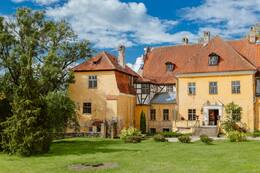
Exhibitions of the Cēsis History and Art Museum in the New Castle
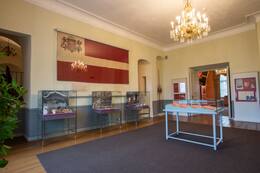
The Cēsis History and Art Museum is located in the very centre of the Old Town of Cēsis, in the New Castle. The museum holds a permanent exhibit of history and interiors named ‘Cēsis, a Symbol of Latvian History’, with two thematic sections: the exhibit ‘Red-White-Red Flag in the History of Cēsis and Latvia’ explains the history of the Latvian national flag from the 13th to 20th centuries, the approved national symbol, the flags of Latvian rifle battalions and the traditions of using national colours during the Latvian War of Independence. The exhibit ‘Cēsis and the Latvian War of Independence’ focuses on the founding of the Cēsis Company in December 1918, the joint battle efforts of Estonians and Latvians in the 1919 Battles of Cēsis, the time when, during the Bermondt Affair, Cēsis served as the temporary capital of Latvia for a short time, as well as the history of the Cēsis Victory Monument. In an escape room named ‘Legends of the Battles of Cēsis’, the participants have one hour to find their way out by solving puzzles, making connections and finding hidden objects. The Cēsis Company, one of the first units of the Latvian Armed Forces, was established on 8 December 1918 in Cēsis Castle by Senior Lieutenant Artūrs Jansons. The museum’s exhibit features a memorial plaque dedicated to the Cēsis Company, unveiled on 8 December 1933 at the Cēsis New Castle, which, at the time, served as the headquarters of the 8th Daugavpils Infantry Regiment and the garrison officers’ club.
In Cēsis - Victory Monument to Latvians and Estonians Fallen in the Battles of Cēsis
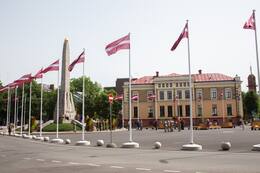
The Victory Monument to Latvians and Estonians killed in the Battles of Cēsis is located in the city of Cēsis, on Vienības Square. In honour of the participants of the 1919 Battles of Cēsis, on 22 June 1924, the first stone was laid for the Victory Monument as sketched by architect Pauls Kundziņš, using funds donated by the people. During the Soviet occupation regime, on the night of 25 March 1951, the monument was blown up and taken down completely. A monument to Lenin, created by sculptor Kārlis Jansons, stood on the former Victory (Unity) Square from 1959 to 1990. In 1997, Māris Niklass, chairperson of the Cēsis District Council, managed to involve Estonian state institutions in the restoration of the monument. The material needed for the construction of the monument, Saaremaa dolomite, was received from Estonia as a gift. On 22 June 1998, during the celebrations of the 79th anniversary of the Battles of Cēsis, the first stone of the monument to be restored was laid on Vienības Square. A ceremony to unveil the restored Victory Monument took place in Cēsis on 15 November 1998 (author: architect Imants Timermanis). Information about the Victory Monument is available in the ‘Cēsis and the Latvian War of Independence’ exhibit of the Cēsis History and Art Museum, in the New Castle.
In Liepa - Monument to the Soldiers Fallen in the Battles of Cēsis
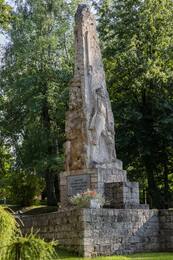
The monument to the Estonian and Latvian soldiers who died in the Battles of Cēsis is located in Priekuļi municipality, Liepā, about 1 kilometre south of the Lode Railway Station, on the side of Rūpnīcas street. The first stone of the monument was laid on 22 September 1929, and the monument was unveiled on 11 August 1935. Based on a sketch by Sculptor Augusts Julla who lived in Jullas, Liepa parish, and made of limestone from the village of Allaži, the monument is a high-relief depiction of a peasant soldier leaning on a plough with one hand and a raised sword in the other. The death mask of the sculptor’s father Jānis Julla was used to create the face of the sculpture. According to Aivars Vilnis, a researcher of the history of Liepa parish, a bird’s eye view of the monument reveals that the base of and the path and stairs leading to the monument form the shape of an arrow facing Liepa Manor (Lindenhoff) in the direction of German positions during the Battles of Cēsis. There is doubt, of course, as to whether this was truly the author’s intention at the time; however, it certainly enriches our interpretation of the monument today. Next to the monument are the only natural sandstone arches in Latvia known as ‘Lielā Ellīte’ (‘Liepas Ellīte’ or the Devil’s Kiln).
In Cēsis - Monument to the Soldiers of the Student Company Fallen in the Battles of Cēsis
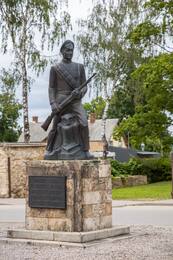
The monument to the soldiers of the Cēsis Regiment Students’ Company who died in the Battles of Cēsis is located in the city of Cēsis, near the intersection of Palasta and Bērzaines streets. The construction of the monument was proposed by the Soldiers’ Association of the Cēsis Regiment Students’ Company. The monument was unveiled on 26 May 1938. The monument is based on the idea sketched by artist Jānis Rozenbergs, a former soldier of the company. Placed on a metre-high limestone pedestal, the 1.8-metre copper sculpture of a soldier dressed in a school student’s uniform was created by sculptor Rūdolfs Āboltiņš and coppersmith Jānis Zibens. An owl, a symbol of wisdom and knowledge, lies at the soldier’s feet, squatting on and protecting the books of a student who went to war. The sculpture was demolished during the Soviet re-occupation in 1952. A monument named the Komsomol Flag Bearer by sculptor Kārlis Jansons was erected near its former location in 1957. Placed near its historic site, the restored monument was unveiled on 11 November 1992. At the same time, in 1992, a monument to the Komsomol, which had been erected by the occupation regime, was taken down.
Monument at the site of the Battle of the Schoolchildren's Company
On the side of the Cēsis-Āraiši highway, near the former Livu parish house.
A monument dedicated to the volunteer student company of the Cēsis Regiment, which participated in the Battle of Cēsis in 1919, can be seen.
The monument was unveiled on May 29, 1930, near the former Livu parish house.
The monument project was developed by former student volunteer K. Dzirkalis, and the installation work was carried out by A. Sproģis' company in Cēsis.
The bronze details were made by M. Pluka according to the author's drawing, and they were cast at the V. Minūtas factory in Riga. After World War II, the monument was destroyed.
Restored on June 6, 1989, the authors of the restored monument were sculptors A. Jansons and M. Baltiņa, and architect I. Timermanis.
Later, the bronze sword and plaque were removed for safety reasons, replaced with wooden parts.
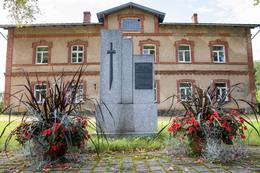
In Priekuļi Parish - Memorial Stone to the Soldiers Fallen in the Battles of Cēsis at the Railway Bridge Across the River Rauna
Located in Priekuļi parish, on the side of the Cēsis–Valmiera highway, near the bridge over the Rauna River.
A memorial stone with a granite memorial sign made by stonemason Voldemārs Koltovs to the soldiers who fell in the Battle of Cēsis can be viewed.
Opened in 2004, when the 85th anniversary of the Battle of Cēsis was celebrated.
A memorial stone to the 110 Estonian and 44 Latvian soldiers who fell in battle on the banks of the Rauna and Gauja rivers.
In the battles near Rauna and Gauja, the 6th Regiment of the 3rd Estonian Division (commander K.Tallo), the 3rd Regiment (commander J.Krūss) and the 2nd Cēsis Regiment of the North Latvian Brigade (commander K.Berķis) fought heroically.
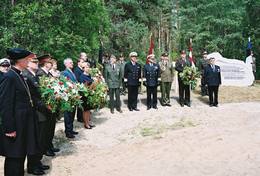
The first monument in memory of the Battle of Cēsis and the fallen Estonian soldiers
Located next to the Veselava cemetery chapel.
The first monument to commemorate the Battle of Cēsis and the fallen Estonian soldiers was unveiled on August 5, 1923.
Its opening was attended by the first President of the Republic of Latvia, Jānis Čakste, and the Estonian Ambassador to Latvia, Jūlijs Saljemā.
The cemetery contains the remains of 16 Estonian soldiers who fell in the battles of Cēsis with the Baltic Landeswehr and the Iron Division in June 1919. Four of them were later reburied in their homeland. The monument was built with donations collected from local residents. It was designed by craftsman Dāvis Gruzde, after the owner of the Ķikuri house, Kārlis Bierņš.
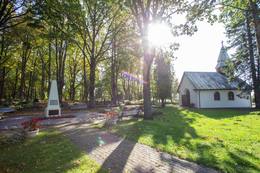
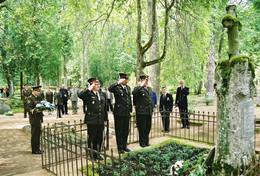
Cēsis Brothers' Cemetery
Located in the Cēsis Lower Cemetery, Lenču Street 15, Cēsis.
One of the most significant memorial sites of the First World War and the War of Independence in Cēsis is the Brothers' Cemetery in Lejas Kapis.
The cemetery houses the Brothers' Cemetery Monument, designed by Cēsis artist and councilor Augusts Julla (1872-1958), unveiled in 1927, and dedicated to the soldiers buried in the Brothers' Cemetery from 1915 to 1920.
About 200 soldiers are buried in the Brothers' Graves of the Cēsis Leja Cemetery. Among them are an unknown number of Latvian riflemen and Russian soldiers who fell in World War I, as well as soldiers of German (10), Polish and other nationalities. During the Latvian Liberation Struggles, 22 soldiers of the 5th (2nd) Cēsis Infantry Regiment were buried in this cemetery, as well as 11 freedom fighters who fell in other Latvian army units. 2 Estonians, 15 victims of the Bolsheviks, and Latvian Red Riflemen also rest in the Brothers' Graves.
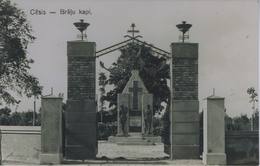
Monument for students of the Viljandi Regiment
The monument to the soldiers of the Viljandi Students’ Company who fell near Stalbe is located by the intersection of the Riga-Limbaži road, after making a turn onto the Stalbe-Stūrīši road, which leads to the Pārgauja Municipal Council (to the right). Latvian and Estonian inscriptions on the granite memorial read: ‘On 19-21 June 1919, during the Battles of Stalbe, the 6th Regiment Viljandi Students’ Company repelled the attack of the Germans’. The monument was unveiled on 19 June 2009. Based on the idea conceived by Mareks Niklass, the monument was created by stonemason Voldemārs Koltovs. The 6th Estonian Regiment fought the Baltic Landeswehr and the Iron Division during the Battles of Cēsis near Stalbe. The Germans tried to break the front line in the area of the Stalbe Manor but were forced to retreat after two days of failed attempts. Every year, Lāčplēsis Day celebrations in Stalbe begin with a torchlight procession to the monument devoted to the soldiers of the Viljandi Students’ Company.
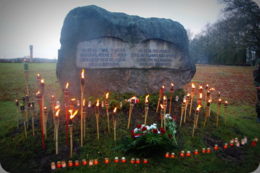
In Limbaži - Memorial Site for the Fallen Soldiers and First Lieutenant Vilis Gelbe
The monument is located next to Limbaži Sv. St. John's Lutheran Church, Lībiešu Street 2. There is a memorial to the fallen soldiers of Limbaži and the surrounding area and to Lieutenant General Vilis Gelbe (1890-1919), who fell in the battle against the Germans on June 19, 1919 in Vidriži.
The monument of Lieutenant General Viļis Gelbe can be seen in the Limbaži cemetery in Jūras Street.

Monument to Naval Lieutenant, L.k.o.k. Vilis Gelbes (1890-1919)
Located at the Limbaži Jūras Street Cemetery, Jūras Street 56, Limbaži
On display is a monument unveiled on September 10, 1922 by the then President of Latvia, Jānis Čakste, which contains the dedication of the poet Vilis Plūdonis to Vilis Gelb:
"My people, who pass by me, burn with love for your fatherland,
"For the sake of my beloved fatherland, I pledge my life."
Vilis Gelbe (1890-1919) was born in Courland, in Zemīte parish, but was also closely connected to the Limbaži side, because when the Latvian War of Independence began, he returned to Latvia from St. Petersburg and joined the North Latvian Brigade.
In May 1919, V. Gelbi commanded in Limbaži, he became the military commandant of the area and was able to inspire the local men and even very young boys to join the army.
V. Gelbe's activities in Limbaži and its surroundings at that time were very significant; his duties included not only maintaining order in the city and its surroundings, but also mobilization, providing food for soldiers and horses, and resolving many other issues that could not be included in orders and instructions. The commandant's team organized by him acted as a coordinated mechanism to provide the North Latvian Brigade with the most effective assistance possible. The commandant's team went to the aid of the regular army in special cases, and he set an example for the new soldiers. V. Gelbe was the first officer of the Latvian army who proposed awarding his subordinates with the Order of Imanta, Class III. The order did not yet exist. The name of Imanta appeared in public only on March 20, 1920, when a presentation on the establishment of a military order was submitted to the Minister of Security, Kārlis Ulmanis. However, the name of Lāčplēsis was chosen for the order.
During the Battle of Cēsis, Vilis Gelbe died - on June 19, 1919, during a reconnaissance mission. Gelbe was later awarded the Lāčplēsis War Order, but historians believe that his contribution has not been properly appreciated. This is mainly due to Gelbe's membership in the North Latvian Brigade.
The so-called Southern Latvian Brigade, initially commanded by Oskars Kaplaks and later by Jānis Baložs, competed with the Northern Latvian Brigade, commanded by Jorģis Zemitāns.
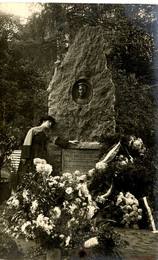
A memorial in Vidriži at the place where LKOK Vilis Gelbe and two soldiers from his team fell.
In Vidriži, at the turnoff to Lēdurga, during the War of Independence on June 19, 1919, naval lieutenant Vilis Gelbe and two soldiers fell in battle.
Vilis Gelbe was buried in the Limbaži cemetery. For his heroic deed near the Vidriži manor, Vilis Gelbe was awarded the Lāčplēsis War Order, 3rd class (No. 895).
Currently, three Pemin crosses, installed in 1989, can be seen at the battle site.
On June 22, 1934, a bronze memorial plaque modeled after the artist Stefans Bercs was unveiled near the maple tree growing in the manor park. Already at the beginning of the communist occupation in the autumn of 1940, the memorial plaque disappeared. The maple tree to which it was nailed also perished. When the Awakening began, on June 19, 1989, on the 70th anniversary of the death of Gelbe and two soldiers from his team – Corporal Krustiņš and Private Krūze – at the crossroads where the memorial plaque once stood, at the initiative of the Environmental Protection Club and the Limbaži district branches of the Latvian Popular Front, three wooden crosses made in the folk style by Jānis Eglītis were installed. By decision of the Limbaži district executive committee in April 1991, this memorial site was included in the list of historical monuments of local importance.
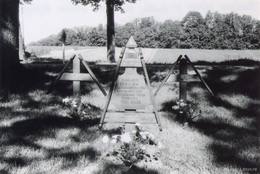
In Skangaļi - Memorial Stone to the Participants of the Battles of Cēsis and Kalevlaste Malev Battalion Fighters
The memorial to the victory of the combined Latvian and Estonian troops in the battle for the Skangaļi Manor is located about 20 kilometres from Cēsis. Devoted to the participants of the Battles of Cēsis and the fighters of the Estonian Kalevlaste Maleva Battalion, the memorial stone was unveiled on 22 June 2019. The victory of the combined Latvian and Estonian troops in the battle for the Skangaļi Manor, which took place here, was a turning point in the Battles of Cēsis, as a result of which the troops of Niedra’s government initiated a general retreat. The government of Andrievs Niedra was a provisional pro-German government of Latvia, which existed from 10 May to 26 June 1919. The attack on the Landeswehr unit began in the early morning of 22 June 1919 when the 3rd Kalev company used an armoured train to break into the Skangaļi Manor where they seized 2 cannons, however, the enemy still went on a counterattack. The troops repeated the attack slightly later, in the middle of the day, and the Landeswehr unit was forced out of the Skangaļi Manor following fierce close combat. The trophies from the battle include machine guns, large quantities of ammunition and other combat equipment. Two hours later, the Estonians captured an important road junction at the Starti pub. 58 Kalev soldiers were injured or lost their lives in the battle to capture the Skangaļi Manor. Estonia provided significant support in establishing the memorial site.
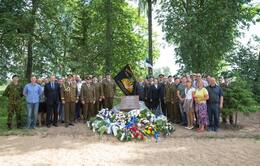
In the vicinity of Cēsis - Recreation Place “Meža kaujas”, the Main Venues of the Cēsis Battles near the Amata Bridge
Named Forest Battles, the rest area is situated in the main location of the Battles of Cēsis near the Amata bridge. Visitors can listen to stories about the Battles of Cēsis and can take part in various activities, including hikes and trips around the most important venues of the Battles of Cēsis, and team battles. At the end, the visitors can enjoy an invigorating wartime soup. The railway bridge over Amata played a very important role throughout the War of Independence, as the first clashes of the Estonian Army with the Landeswehr took place here. On 5 June 1919, the first battle of the Estonian Army’s armoured trains with the Baltic Landeswehr units took place by the railway bridge over Amata. The Landeswehr, knowing that an armoured train was approaching, planted mines on the railway bridge and secured positions at the homestead Amatas on the riverbank in preparation for a possible battle. The bridge over Amata marked the border between Estonian forces and the Germans. On the night of 23 June 1919, during the Battles of Cēsis, the Landeswehr left Cēsis and retreated to the Amata river line. When retreating, the Germans burned down the Cēsis Latvian Society House and blew up the bridge over Amata.
The course of the Battles of Cēsis can be explored using virtual reality headsets.

The railway bridge over the river Rauna
The railway bridge over the River Rauna is located near the P20 highway, in Priekuļi parish. It can be viewed from the right side of the Cēsis-Valmiera highway. The railway bridge is not intended for pedestrians and is watched over by security guards. Built in 1889, the masonry bridge on the Riga-Valka railway line is the highest railway structure of its kind in the Baltics. It is 24 metres high and 78.9 metres long. Trains, especially heavy freight trains, must maintain a speed of 80 km/h. Higher speeds are not allowed on the bridge. However, at lower speeds, the train is unable to deal with the slight incline on both sides of the bridge and may start to slide backwards. In June 1919, during the Estonian and Latvian Wars of Independence, reinforcements to the Estonian Army, which also included the Northern Latvian Brigade, were sent by rail across the bridge from Valka, which was at the back of the front. When the 2nd Cēsis Infantry Regiment was forced to retreat from Cēsis, its units strengthened their positions on the banks of the River Rauna. The railway bridge became part of the fortification and ensured the movement of Estonian armoured trains during the battles. During World War II, on 4 July 1941, the bridge was blown up by the fleeing Red Army when the Soviet occupation of Latvia was replaced by the German occupation. German Army sappers restored the bridge within a week. After World War II, during the Soviet occupation, the bridge over Rauna was of military strategic importance and was heavily guarded.
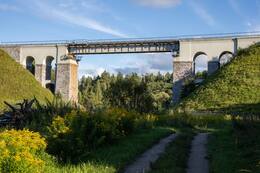
Railway bridge over Amata
Located in Drabeši parish, Cēsis region, near the recreation area "Meža koujas".
A railway bridge over the Amata River is visible.
The railway bridge over the Amata River plays a very important role throughout the course of the War of Independence, as the first battle between the Estonian army's armored trains and the Baltic Landeswehr units took place here on June 5, 1919. The Landeswehr, knowing that the armored train was approaching, mined the railway bridge and took up positions in the "Amata" houses on the riverbank, ready for possible hostilities. The bridge over the Amata River was the border between the Estonian forces and the Germans.
Historical evidence of the events at the Amata Bridge has not been preserved. Since Latvians did not participate in these events, there are no memoirs from them, there are memories from Estonian soldiers, other sources. It can be said that this was a joint Estonian-American battle against the Landeswehr, because an American officer was on the Estonian armored train, who later also fought in World War II. In general, many future officers and commanders of World War II participated in the Cēsis battles, especially on the German side.
The Estonian armored train arrived in Cēsis on June 2, 1919, and a day later went to Ieriķi, where negotiations with the Landeswehr took place, which were fruitless, and on June 5, when the armored train again approached the Amata Bridge, a clash with the Germans began. The armored train also took part in the battles near Cēsis a day later, where it helped the soldiers of the Schoolchildren's Company, who were threatened with encirclement. Although the Germans tried to dismantle the tracks to cut off the train's retreat, it managed to retreat across the Rauna Bridge.
On the night of June 23, 1919, during the Battle of Cēsis, the Landeswehr abandoned Cēsis and retreated to the Amata River. While retreating, the Germans burned down the Cēsis Latvian Society building and blew up the bridge over the Amata.
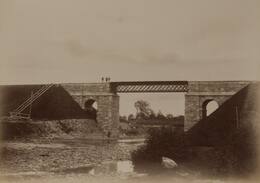
In Plācis - Monument to the Liberators of Northern Latvia and the Fallen in the Battles of Cēsis
Located in the center of Plāčis near the Inčukalns - Valkas highway (A3). Next to the bus stop and Straupes Community Center.
The monument created by Teodors Zaļkalns to the liberators of Northern Latvia in the Battle of Cēsis in 1919 is visible.
On a three-tiered base, two travertine pillars are placed, on which a travertine block rests. On its front, a bas-relief depicts a horse harnessed to a plow and a plowman, who holds the reins in his right hand and a sword in his left. On the back of the monument is carved a text, which concludes with the lines of the poet Eduards Virza:
TO THE LIBERATORS OF NORTHERN LATVIA
WHILE ONE GRAIN IS SOWED IN THIS FIELD
YOU WILL BE PRAISED AND HONORED
The monument was unveiled on November 8, 1931. The opening was attended by President Alberts Kviesis.
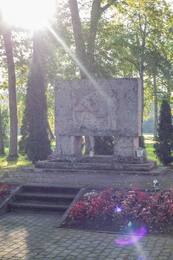
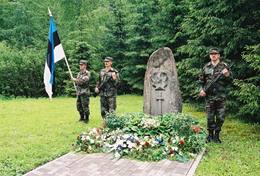
Piemineklis Neatkarības karā kritušo karavīru piemiņai
Atrodas Raiskuma kapos tuvu kapličai.
Piemineklis Cēsu kaujās kritušajiem karavīriem atklāts 1930. gada 7. septembrī. Pieminekli pēc paša meta vietējā sarkanpelēkajā granītā darinājis Cēsu akmeņkalis A. Sproģis. 2001. gadā piemineklis restaurēts.
Cēsu kauju atceres 93. gadadienas piemiņas pasākumā Brīvības cīņās atvaļinātais pulkvežleitnants Ēvalds Krieviņš klātesošajiem atklāja to, ka tieši Raiskuma pagastā pie Auciemmuižas 1919.gadā izšķīrās ne tikai Vidzemes, bet arī Latvijas un daļēji arī Eiropas liktenis.
„Šeit Igauņu pulks varonīgi noturēja dzelzs divīzijas triecienu un notrieca pirmo lidmašīnu Neatkarības kara laikā,” stāsta Ēvalds Krieviņš.
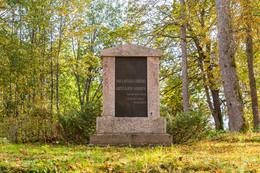
Latvijas Neatkarības karā kritušo igauņu karavīru piemiņas vieta
Atrodas Salacas upes krastā, kapsētas tuvumā, Upes iela 3a.
Pirmoreiz kapus iesvētīja 1927.gada jūnijā.1936.gada pavasarī pēc vietējo aizsargu organizācijas ierosinājuma izveidoja kapu kalniņu, kur pārapbedija divus nezināmus igauņu karavīrus. Kapus iesvētīja 1936.gada 16.augustā. Gan vācu, gan padomju okupācijas gados kapu kalniņš stāvēja pamests, liepu ieskauts.
Igaunijas Aizsardzības ministrija, sadarbojoties ar Latvijas Aizsardzības ministriju un Brāļu kapu komiteju, pieņēma Latvijas puses priekšlikumu sakoncentrēt visus atsevišķos kritušo igauņu karavīru apbedījumus Mazsalacā – vietā, kur pēc Brīvības cīņām jau bija izveidots ansamblis ar 2 igauņu karavīru apbedījumiem.
2013.gada 18.jūnijā šajā kapu kalniņā notika Latvijas Atbrīvošanas karā kritušo igauņu karavīru Brāļu kapu pieminekļa atklāšana. Pieminekli no Sāremas dolomīta pēc SIA “Arhitektu birojs Vecumnieks & Bērziņi” darinājusi Igaunijas firma “Dolokivi OÜ”. Atklāšanā piedalījās Igaunijas aizsardzības ministrs Urmas Reinsalu un Latvijas aizsardzības ministrs Artis Pabriks.
2015.gada 11.novembrī igauņu karavīru Brāļu kapos iesvētīja 10 jaunus Brīvības kaujās kritušu, nezināmu karavīru pārapbedījumus.
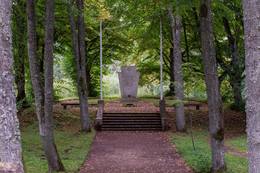
Piemineklis Pirmā pasaules karā un Latvijas Atbrīvošanas cīņās kritušo Drustu draudzes locekļu piemiņai
Atrodas pie Drustu luterāņu baznīcas.
Piemineklis atklāts 1932. gada 19. jūnijā.
1931. gada 14. jūnijā tika likts pieminekļa pamatakmens, kurā iekalts teksts “Gadu simteņi nāks un ies, tēvijai varoņi upurēsies”. Zem tā iemūrēta cinkota skārda kapsula ar piemiņas rakstu, ko parakstījis toreizējais armijas štāba priekšnieks ģenerālis Aleksandrs Kalējs, kritušo karavīru vecāki un citi ceremonijas goda viesi.
Komunistiskās okupācijas laikā teksts zem ciļņa tika aizcementēts, bet bronzas cilni draudzes locekļi paslēpa. Sākoties Atmodai, Latvijas Tautas frontes vietējie aktīvisti uzrakstu notīrīja un savā vietā novietoja arī saglabāto cilni.
Apzināts 41 Drustu draudzes loceklis, kas kritis Pirmajā pasaules karā un Latvijas Neatkarības karā.
Baznīcas sienas nišās ievietotas piemiņas plāksnes komunisma terora upuriem - ar 58 ozolā iegrieztiem drustēniešu un gatartiešu vārdiem - to cilvēku vārdiem, kuriem kapu vietas nav zināmas.
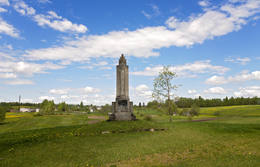
Lielstraupes pils
Atrodas Straupes centrā
Cēsu kauju laikā Lielstraupes pilī atradās Dzelsdivīzijas (vācu: Eiserne Division) Paula Ludviga Evalda fon Kleista kaujas grupas komandpunkts.
Kauju laikā to apmeklēja majors Bišofs, kapteinis Guderiāns u.c. No pils tika vadīts uzbrukums Stalbes virzienā 21.-22. jūnijā.
Dzelzsdivīzija bija Vācijas algotņu karaspēks Latvijas Brīvības cīņu laikā, ko izveidoja no demobilizētās Vācijas impērijas 8. armijas kareivjiem un brīvprātīgiem algotņiem. Tā bija pazīstamākā vācu brīvkorpusu daļa un viena no labāk apmācītajām un kaujasspējīgākajām karaspēka daļām Baltijā 1919. gadā.
Padomju varas gados, no 1949. līdz 1959. gadam muižas pilī atradās un darbojās Lielstraupes mašīnu traktoru stacijas pārvalde. Šajā laikā pilī tika ierīkotas arī mācību telpas un traktoristu kopmītnes, bet bijušajā muižas stallī atradās darbnīcas.
No 1963. līdz 2018.gadam pili apsaimniekoja medicīnas iestādes, un par Straupes narkoloģisko slimnīcu Latvijā mēdza teikt, ka te “ārstē pat sienas”.
Tagad pils ir atvērta apskatei un apmeklētājiem tā piedāvā ceļojumu cauri gadsimtiem kopā ar orientēšanos pils labirintos.
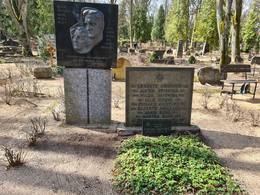
Piemineklis pirmajam Skolnieku rotas kritušajam karavīram Edgaram Krieviņam
Atrodas Valmieras pilsētas Centra kapos, netālu no kapličas (Miera iela 1/3, Valmiera)
Cēsu pulka 8. (Skolnieku) rotas karavīrs, LKOK Edgars Krieviņš (1899-1919), miris 7. jūnijā no ievainojumiem, kas tika gūti Cēsu kaujās 1919. 6. VI., kad, landasvēram uzbrūkot, viņš sedza pārējo daļu atiešanu.
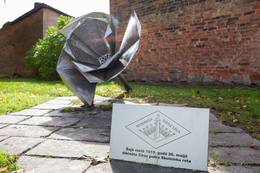
Piemiņas zīme Cēsu pulka Skolnieku rotas dibināšanas vietā
Atrodas Leona Paegles ielā 1, pie sarkanas ķieģeļu ēkas fasādes.
Piemiņas zīmes autore ir māksliniece Solveiga Vasiļjeva, un idejas pamatā ir zieda pumpura motīvs. Kā norāda māksliniece, tas simbolizē tikko veidoties sākušas personības – skolēnus, kuriem jāpieņem svarīgs, atbildīgs un skarbs lēmums savā vēl īsajā dzīvē.
Piemiņas zīmes formā ārējās zieda pumpura ziedlapas veidotas ģeometriskas, asiem stūriem, kontrastā ar maigām, noapaļotām pumpura iekšpusē. Piemiņas zīmes augstums līdz 1,5m. Piemiņas zīme atklāta 2011. gada 26. maijā Valmierā, vietā, kur 1919. gadā formējās Cēsu pulka skolnieku rota.
No mākslīgiem bruģakmeņiem izliktas Latvijas kontūras, uz kuras guļus novietota plāksne ar Cēsu pulka Skolnieku rotas karogu un tekstu:
"Šajā vietā 1919. gada 26. maijā
dibināta Cēsu pulka Skolnieku rota"
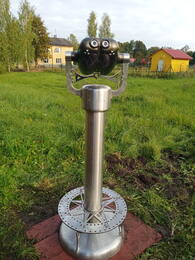
Virtuālās realitātes binoklis "Cēsu kaujas"
Cēsu kaujas bija viens no nozīmīgākajiem pavērsiena punktiem Latvijas Neatkarības kara (1918 - 1920) gaitā. 1919. gada 5. jūnijā ar sadursmi starp Igaunijas armijas bruņuvilcieniem un Landesvēra vienībām netālu no Ieriķu dzelzceļa stacijas pie tilta pār Amatu aizsākās Cēsu kauju pirmais posms. Pieminot šo notikumu, pie Ieriķu stacijas ir izveidots tūrisma objekts, kas piedāvā piedzīvot vēstures stāstu izmantojot mūsdienu tehnoloģiju dotās iespējas - ar virtuālās realitātes palīdzību. Piecu minūšu garo video “KAUJA PIE TILTA PĀR AMATU” virtuālās realitātes binoklī var aplūkot bezmaksas katru dienu. Video ilgums: 5 min., LV ar subtitriem LV, ENG, EST un ES.
Related stories
Cēsu kauju sākums, notikumu gaita un noslēgums
Gūtajai uzvarai Cēsu kaujās bija lemts kļūt par pagrieziena punktu latviešu un igauņu cīņā par savas valsts neatkarību. Šī uzvara pārvilka svītru Andrieva Niedras valdības un Vācijas ģenerāļa Rīdigera fon der Golca Baltijas iekarošanas plāniem. Tā vietā savu darbību Liepājā atjaunoja Kārļa Ulmaņa Latvijas Pagaidu valdība.
Cēsu pulka Skolnieku rotas pieminekļa neparastais stāsts
1919. gada Cēsu kaujās piedalījās Cēsu pulka brīvprātīgo skolnieku rota, kas kā kaujas vienība no 108 Valmieras un Cēsu skolu jauniešiem noformējās 5. jūnijā bijušajā Cēsu vācu proģimnāzijas telpās Dārza ielā (tagad Bērzaines iela 4). Jau naktī no 5. uz 6. jūniju, kādu stundu pēc pusnakts, bija trauksme un rotai deva pavēli iziet uz pozīcijām. Rota izgāja līnijā Mācītājmuiža – Meijermuiža, kas skaitījās svarīgākais kaujas iecirknis.
Cēsu pulka skolnieku rotai veltītais piemineklis pie bijušā Līvu pagasta nama
1919. gada Cēsu kaujās piedalījās Cēsu pulka brīvprātīgo skolnieku rota, kas kā kaujas vienība no 108 Valmieras un Cēsu skolu jauniešiem noformējās 5. jūnijā Cēsu proģimnāzijas telpās. Jau naktī no 5. uz 6. jūniju, kādu stundu pēc pusnakts, bija trauksme un rotai deva pavēli iziet uz pozīcijām. Rota izgāja līnijā Mācītājmuiža – Meijermuiža, kas skaitījās svarīgākais kaujas iecirknis.
Pirmajā kaujā vairākus skolniekus ievainoja, bet valmierietis Edgars Krieviņš no ļoti smaga ievainojuma vēderā tajā pašā dienā nomira. Viņu 13. jūnijā ar kareivisku godu apglabāja Valmieras Pilsētas kapos. Edgaru Krieviņu pēc nāves apbalvoja ar Lāčplēša Kara ordeni.
Cēsu kaujas Amatas krastos
Pie tilta pār Amatu vācu landesvērs uzbrūk uz sarunām atbraukušam igauņu bruņuvilcienam. Igauņi atklāj pretuguni, vācieši tiek atsisti un bruņuvilciens atgriežas Cēsīs.
Cēsu Jaunā pils – sienas, kurās radīta Latvijas valsts drošība un joprojām tiek sargāti identitātes apliecinātāji
Cēsu Jaunā pils celta uz militāra nocietinājuma – viduslaiku pils drupām. Taču tā nebūt nav vienīgā ēkas militārā nozīme.
Par nacionālo patriotu virsleitnantu Vili Gelbi
Virsleitnanta Viļa Gelbes (1890-1919) liktenis atspoguļo sarežģīto situāciju mūsu valsts un armijas tapšanā, kā arī šo notikumu novērtējumā.
Līdz ar Latvijas valsts proklamēšanu 1918. gada 18. novembrī sākās arī tās Neatkarības karš un bruņoto spēku veidošanas darbs. Brīvprātīgo latviešu karavīru pirmajās rindās bija Kurzemē dzimušais jūras virsleitnants Vilis Gelbe.
Kaujas pie tilta pār Amatu
Cēsu kaujas ir viens no nozīmīgākajiem Latvijas Neatkarības kara posmiem un ieņem būtisku vietu arī Igaunijas Neatkarības kara vēsturē.