
Resistance to the Soviet occupation regime in Zemgale
The Brothers' Cemetery of the Īle National Partisans in the Virkus Cemetery, Bērze Parish
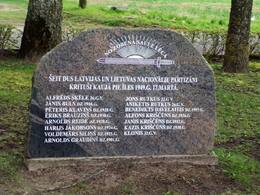
The Īle National Partisan Brothers' Cemetery in the Virkus cemetery of Bērze parish was established on November 14, 1992, when 15 partisans who fell in the Battle of Īle on March 17, 1949, were buried here. This was possible after on July 18, 1992, the National Guard, together with the organization "Daugavas Vanagi" and the Latvian history research working group "Ziemeļblāzma", with the participation of representatives of other nationally-minded organizations, exhumed the remains of 15 Latvian and Lithuanian forest brothers buried in a blown-up partisan bunker in the Īle forest district of Zebrene parish.
The memorial stone to the national partisans who fell in the Battle of Īle was unveiled on May 29, 1993. It was designed by Alfons Kalniņš ("Edgars"), one of the surviving participants in the battle of March 17, 1949. The regular-shaped granite slab depicts a sword and a rising sun, and is engraved with the names of 15 fallen national partisans and the inscription:
“The sun rose from the sword. Here lie the Latvian and Lithuanian national partisans who fell in the battle of Īle on March 17, 1949.”
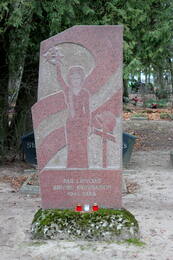
The gravestone of the national partisan Bruno Druķis, who fell in 1941, in the Jaunsesava cemetery, Naudīte parish
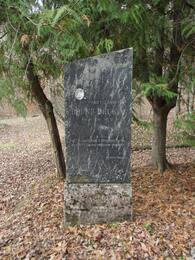
Gravestone for Bruno Druķis, a national partisan from Naudīte parish, who fell in a clash with the armed formations of the Soviet occupation authorities on June 30, 1941. A granite stele with the text: “To the partisan Bruno Druķis. Fell on June 30, 1940. This land is a sacred heritage for our people. And blessed is he who falls for him. Naudīte parish”. The ceramic medallion with the portrait of B. Druķis was smashed and destroyed after World War II.
After the start of the German-USSR war, about ten local guards gathered in the Ružēni forest on June 27, 1941 and formed a national partisan unit with Žanis Gelsons at the head. The next day, the partisans occupied the Naudīte parish executive committee and the local machine and horse rental station, taking possession of the tractors, agricultural equipment and horses there. On June 30, the Naudīte partisan unit tried to intercept a column of Red Army soldiers led by two officers on the road near Meļļi. During the clash, both Soviet officers and retired corporal Bruno Druķis of the Latvian Army Cavalry Regiment fell.
Īle National Partisan Bunker
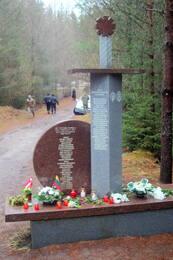
The bunker is located in the Īle forestry of Zebrene Rural Territory, at the turn-off from the P104 Biksti-Auce Road.
The Kārlis Krauja Group of Īle National Partisans was formed in 1947. V. Z. Brizga (alias K. Krauja) was appointed the commander of the group. In October 1948, the Krauja Group merged with a group of Lithuanian national partisans. Krauja Group operated in Jelgava District and consisted of 27 national partisans.
In October 1948, Krauja Group built an underground bunker in Lielauce Parish, Jelgava County, not far from the Īle Forestry, 300 metres to the north of the “Priedaišu” house. Its total length, including battle passages, was 45 metres. 70 remote-controlled mines were planted around the bunker. The bunker was equipped with a furnace, a well, a toilet, and a storage room.
On 17 March 1949, the 24 partisans who were in the bunker at the time fought their last battle against the 760-strong troops of the Ministry of National Security or Cheka. After the battle, 9 members of the group were arrested, while 15 fell in the battle, with eight of them being Latvian and seven being Lithuanian. In 1992, the Home Guards, together with the Daugavas Vanagi (Hawks of the Daugava), unearthed the bunker that had been blown up. A White Cross, a memorial stone and a granite statue were erected at the site.
Inside the bunker, you can see a stove, a table, and narrow benches on which the partisans slept. Information boards and memorial stones with the names of the partisans have been installed at the bunker.
Memorial to the victims of the struggle against the Soviet occupation and communist repression in Zebrene parish
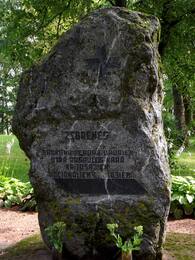
A memorial to those who fought against the Soviet occupation regime and the victims of communist repression in the Renģe Manor Park of Zebrene Parish was opened on September 1, 1995. A cross is depicted on a rough boulder and the words are engraved: “To the victims of the Zebrene red terror, to the national fighters who fell in World War II.” The creation of the memorial was financially supported by the organization “Daugavas Vanagi”.
Memorial to Latvian and Lithuanian national partisans in Ukru parish
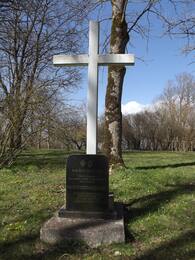
The memorial site for Latvian and Lithuanian national partisans near the former Ukru parish school was opened and consecrated on October 21, 2006. A white cross has been erected there, at the foot of which there is a granite stele with the names of two Latvian and two Lithuanian national partisans engraved and the text: “For You, Fatherland. To the national partisans of Ukru parish 1944-1954. In the fight against the communist occupation regime on October 26, 1948, Eidis-Eduards Ozols, Kristaps Siļķe, Alfonsas Bugnius, Kostas Norvaitis fell in Ukru parish”.
The memorial site was established by the Latvian National Partisan Association (LNPA) in cooperation with the Lithuanian Freedom Fighters Association (LLKS). Its opening was attended by the chairman of the Ukru Parish Council Ainārs Āriņš, the chairman of the LNPA Ojārs Stefans, the representative of the LLKS Jons Čepons and other attendees.
The gravestone of the national partisan Harijs Günters, who fell in 1941, in the Ūziņi Prieži cemetery in Zaļenieki parish
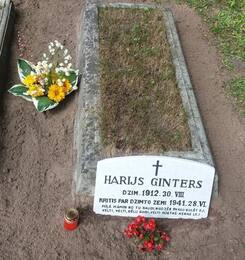
Gravestone for the national partisan of Jēkabnieki parish, Harijs Ginter, who fell on June 28, 1941. A plaque is installed on the grave with the text: “Harijs Ginter. Born 1912.30. VIII. Fell for his native land 1941.28.VI. Dear mother, What you cry, extinguish the scale, go to sleep,. In vain, in vain, wait for your son, in vain do you shed bitter tears”. The gravestone was restored in 2016 and 2024 at the initiative of Gunita Kulmane, the head of the Ūziņi library of Zaļenieki parish, and at her personal expense.
In the days following the outbreak of the German-USSR war on June 22, 1941, a national partisan unit was formed in Jēkabnieki parish to ensure order and end the Soviet occupation power, with the commander of the guard platoon V. Ritums at the head. Initially, the weak armament – a few pistols and rifles – was supplemented with trophy weapons from the Red Army soldiers captured near Kalnanši and in other places. A major clash with Soviet armed formations took place on June 28, 1941 in Gudēni, where the guard of Jēkabnieki parish and national partisan H. Ginter was captured and tortured to death.
Monument Jelgava kaitsjatele Nõukogude okupatsiooni vastu 1944. aastal Grēbneri pargis
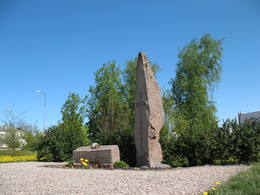
Mälestuspaik 1944. aasta juulis-augustis teise Nõukogude okupatsiooni vastu peetud Jelgava kaitselahingutes osalejatele avati 8. mail 1995. Selle sündmuse auks peeti Jelgava Püha Anna evangeelses luterlikus kirikus jumalateenistus ja läbis linna lipuga kaetud rongkäik. Mälestuspaigal seisab ebakorrapärase kujuga graniidist steel, millesse on raiutud rist, mis kasvab mõõga teravikuks. Selle kõrval vasakul on kajakakujuliselt paigutatud kärbitud rööptahuka kujuline graniidist plokk tekstiga „Jelgava kaitsjatele 1944.28.VII-8.VIII“.
Sõda Jelgavas algas pärast seda, kui Nõukogude väed vallutasid 27. juulil 1944 Leedus Šiauliai linna ja jätkasid pealetungi põhja suunas. Punaarmee tõrjumiseks kuulutas äsja ametisse nimetatud Jelgava sõjaväeülem kindralleitnant Johann Flugbeil linna „kindluslinnaks“ ja selle kaitsmiseks tuli kasutada kõiki olemasolevaid jõude. Algselt koosnes Jelgava kaitsjate tuumikust vaid 15. Läti SS-relvadiviisi väljaõppe- ja reservbrigaadi sõduritest kolonelleitnant Herman Jurko juhtimisel ning mõnest väikesest Saksa üksusest. 27. juuli pärastlõunal alustas Nõukogude 3. õhuvägi Jelgava pommitamist, rünnates mitte ainult strateegilisi sõjalisi sihtmärke linnas ja selle ümbruses – raudteejaama ja teid –, vaid süüdates ka mõningaid elamuid. Linna hooned ja tsiviilelanikud kannatasid Katjuša raketisüsteemide, suurtükiväe ja miinipildujate tule all, mida mõlemad sõdivad pooled üksteise pihta tulistasid.
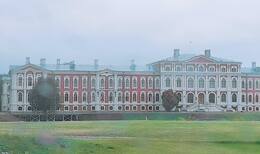
28. juulil alustasid Nõukogude 3. kaardiväe mehhaniseeritud korpuse üksused linna lõunaservale rünnakut, kuid edutult. 30. juuli hommikul tugevdasid rünnakut 51. armee 279. ja 347. laskurdiviis. Kuigi Moskva raadio teatas linna vallutamisest järgmisel päeval, olid NSV Liidu väed abivägedega suutnud kesklinna sisse murda, kuid mitte seda täielikult vallutada. Lielupe jõe parem kallas ja Driksa silla juures asuv kindlustatud sillapea jäid Punaarmee poolt hõivamata. Ägedad lahingud toimusid ka Jelgava lossis, mis läks Nõukogude Liidu kontrolli alla augusti alguses. Punaarmee liigutas lossi kahuritega ja tulistas selle akendest Kalnciema teel asuvate Saksa ja Läti sõdurite positsioone. Järgnes Saksa raskekahurväe vastutuli, mis hävitas lossi täielikult. 4. augustil õnnestus Jelgava kaitsjatel Riiast saabunud abivägede abil linn ajutiselt enda kontrolli alla võtta. Nõukogude ulatuslik pealetung sundis Saksa ja Läti sõdureid aga kolm päeva hiljem Jelgava maha jätma.
Filozofu tänaval 50 asuva Jelgava 2. keskkooli hoone, kus 1945. aastal õppisid noorte vastupanuorganisatsiooni „Kolme Tähe Kolonn” liikmed.
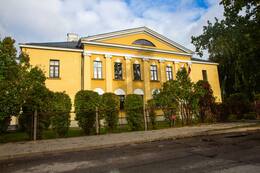
Pärast Jelgava hävitamist Nõukogude-Saksa sõja ajal 1944. aasta juulis-augustis ja linna langemist teise Nõukogude okupatsiooni alla asus praeguse Pauls Bendrupi algkooli (endine Kurtide ja Tummade Kool) hoones aadressil Filozofu tänav 50 Jelgava 2. (naiste) keskkool. 1945. aasta sügisel õppisid seal mitu noorte vastupanuorganisatsiooni "Kolme Tähe Kolonn" liiget.
1945. aasta novembris arreteerisid Nõukogude julgeolekuvõimud selle organisatsiooni 20 liiget, kellest enamik olid vaid 16–17-aastased, sealhulgas 13 poissi ja seitse tüdrukut, ning veel kaks nende toetajat. Jelgava noori süüdistati ebaseaduslike koosolekute korraldamises ja nõukogudevastases agitatsioonis, relvade ja laskemoona kogumises, suhkruvabriku filtreerimislaagri vangide toiduga varustamises, Leedu rahvuspartisanide toetamises, samuti muudes NSV Liidu okupatsioonirežiimi vastastes kuritegudes.
Balti sõjaväeringkonna tribunal mõistis 23. mail 1946 süüdi 19 Kolme Tähe Kolonni organisatsiooni liiget, määrates neile 10 aastat vangistust Gulagi laagrites ja 5 aastat õiguste piiramist. Pärast üheksa aastat vangistust Permis, Bereznikis, Norilskis ja Karagandas sai nende naasmine kodumaale võimalikuks aasta pärast Stalini surma 1954. aastal.
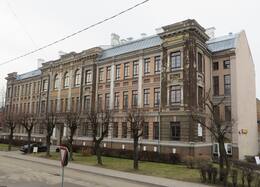
Memorial to the participants of the resistance movement of Jelgava 1st Secondary School repressed by the Soviet occupation regime at Meiju Street 9
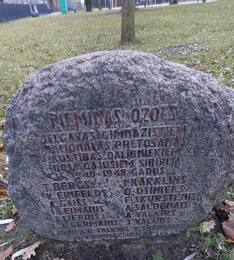
The memorial site for the members of the Jelgava 1st Secondary School youth resistance organization repressed by the communist regime in 1941 was established in 2007 at the initiative of socio-political activist and historian Andris Tomašūns. At the memorial site near Jelgava 1st Gymnasium (now Jelgava High School of Technology), an oak tree has been planted and a boulder has been placed with the following text engraved on it: “Memorial oak tree to Jelgava gymnasium students, participants in the national resistance movement – those who died in Siberia in 1940-1948. T. Bergs, V. Einfelds, A. Gaišs, I. Leimanis, J. Liepiņš, J. Jegermanis, I. Kārkliņš, O. Ošenieks, F. Skurstenis, A. Saldenais, A. Valkīrs, J. Valūns. 2000. O. Valkīrs, V. Treimanis and 1st Gymnasium”.
The Jelgava student resistance organization “Free Latvia” was secretly founded on September 30, 1940, by six 11th grade students of Jelgava 1st Secondary School in the apartment of Fričas Skurstenis at 11-4 Slimnīcas Street. The organization was led by Juris Valūns and its members numbered about 20 people. They gathered in illegal meetings where they discussed the organization’s structure and activities. The young people printed the anti-Soviet slogan “Get ready!”, 100 copies of which were pasted around the city on October 14. From October 25, 1940 to November 6, Soviet security authorities arrested thirteen students of Jelgava 1st Secondary School, who were imprisoned in Jelgava prison and interrogated for a long time. 1941. In 1942, the detainees were taken to the USSR, where on February 7, 1942, the Special Meeting of the USSR People's Commissariat of Internal Affairs sentenced them to 10 years in prison. Only Voldemārs Treimanis survived and returned to Latvia, while the other members of the resistance organization of Jelgava 1st Secondary School died in the Gulag camps in 1942-1943.
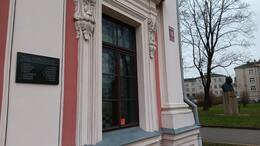
Gedenktafel für die Widerstandskämpfer der 1. Sekundarschule von Jelgava, die vom sowjetischen Besatzungsregime unterdrückt wurden, in der Akademijas-Straße 10
Eine Gedenktafel für die Mitglieder der vom kommunistischen Regime unterdrückten Jugendwiderstandsorganisation der 1. Sekundarschule Jelgava (ehemals Hercogs-Pēteris-Gymnasium) wurde am 24. Oktober 1996 von der Jelgava-Ortsgruppe des Lettischen Verbandes Politisch Unterdrückter angebracht. Ursprünglich befand sich die Tafel im Inneren des Ģ.-Elias-Jelgava-Museums für Geschichte und Kunst, wurde aber nach der Renovierung der Fassade und der Räumlichkeiten in den Jahren 2007–2008 an die Außenwand des Museums rechts vom Haupteingang verlegt, neben Gedenktafeln für andere historische Persönlichkeiten. Der auf der Gedenktafel eingravierte Text lautet: „Am 26. Oktober 1940 wurden Schüler des Hercogs-Jēkabs-Gymnasiums verhaftet und nach Sibirien deportiert – Mitglieder der antisowjetischen Bewegung „Freies Lettland“ T. Bergs, V. Einfelds, A. Engurs, A. Gaišs, J. Jegermanis, I. Kārkliņš, I. Leimanis, J. Liepiņš, O. Ošenieks, A. Saldenais, F. Skurstenis, V. Treimanis, A. Valkīrs, J. Valūns.“
Die studentische Widerstandsorganisation „Freies Lettland“ in Jelgava wurde am 30. September 1940 von sechs Elftklässlern der 1. Mittelschule Jelgava in der Wohnung von Fričas Skurstenis in der Slimnīcas-Straße 11-4 heimlich gegründet. Die Organisation wurde von Juris Valūns geleitet und zählte etwa 20 Mitglieder. Sie trafen sich in illegalen Versammlungen, um die Struktur und die Aktivitäten der Organisation zu besprechen. Die Jugendlichen druckten den antisowjetischen Slogan „Bereitmachen!“, von dem am 14. Oktober 100 Exemplare in der Stadt verteilt wurden. Vom 25. Oktober bis zum 6. November 1940 verhafteten sowjetische Sicherheitsbehörden dreizehn Schüler der 1. Mittelschule Jelgava, die im Gefängnis von Jelgava inhaftiert und lange verhört wurden. 1941. Im Jahr 1942 wurden die Inhaftierten in die UdSSR gebracht, wo sie am 7. Februar 1942 von einer Sondersitzung des Volkskommissariats für Innere Angelegenheiten der UdSSR zu zehn Jahren Haft verurteilt wurden. Nur Voldemārs Treimanis überlebte und kehrte nach Lettland zurück, während die anderen Mitglieder der Widerstandsorganisation der 1. Mittelschule von Jelgava in den Jahren 1942/43 in Gulag-Lagern starben.
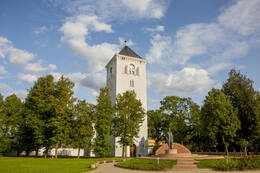
Der Turm der St. Dreifaltigkeitskirche in Jelgava
Der Turm der St. Dreifaltigkeitskirche in Jelgava befindet sich im Zentrum von Jelgava.
Die Geschichte des Turms erstreckt sich über mehr als vier Jahrhunderte und ist ein wichtiger Zeuge sowohl der Entwicklung der Stadt als auch tragischer Ereignisse. Die Kirche wurde 1574 im Auftrag des Herzogs von Kurland und Semgallen, Gotthard Kettler, erbaut und ihr Turm, der 1688 unter der Leitung des Meisters Martin Knoch fertiggestellt wurde, wurde zu einem der bedeutendsten Bauwerke der Stadt. Während des Zweiten Weltkriegs wurde Jelgava stark zerstört und die Kirche brannte 1944 nach einem sowjetischen Luftangriff nieder. Nach dem Krieg sprengten die sowjetischen Behörden den Altar und zerstörten die Mauern. Nur der Turm blieb als strategisches Objekt erhalten, da er der höchste Punkt der Stadt war. Während und nach dem Krieg wurde der Turm für militärische Zwecke genutzt. Vom Turm aus wurden die feindlichen Stellungen beobachtet und das Gebiet kontrolliert.
In den Nachkriegsjahren diente der Turm auch als strategischer Punkt für Widerstandsaktivitäten. Er wurde zu einem geheimen Treffpunkt und einer Basis für die Übergabe von Informationen, die für den Kampf gegen das sowjetische Regime unerlässlich waren. Der Turm hat zwar seine historische Bedeutung behalten, ist aber heute als Kultur- und Bildungszentrum wiedererstanden.
Das Gebäude der Landwirtschaftsakademie in Jelgava in der Lielāja-Straße 2, in dem Mitglieder des Lettischen Zentralrats in den Jahren 1943-1944 arbeiteten.
Mehrere Mitglieder der akademischen Einheit „Austrums“ und des Zentralrats von Lettland, die am 13. August 1943 heimlich in Riga gegründet worden waren, arbeiteten 1943/44 an der Landwirtschaftlichen Akademie in Jelgava (Mītava) (heute Lettische Universität für Biowissenschaften und Technologien) – darunter die Professoren Rūdolfs Markuss, Andrejs Teikmanis und Alfrēds Tauriņš sowie weitere Lehrkräfte. Am 10. März 1944 druckte Vilis Eihe, ein Assistenzprofessor der Landwirtschaftlichen Akademie, zusammen mit seiner Frau Aleksandrs und seinem Assistenten Hermanis Zeltiņš in Jelgava mit einem Vervielfältigungsgerät die illegale Zeitung der LCP, „Jaunā Latvija“. Sie berichtete über die internationale Lage Lettlands und legte weitere Leitlinien für das politische Leben Lettlands fest. Unter den 188 lettischen sozialpolitischen Aktivisten, die in dem Memorandum der LCP vom 17. März 1944 die Notwendigkeit der Wiederherstellung einer unabhängigen und demokratischen Republik Lettland auf der Grundlage der Verfassung von 1922 zum Ausdruck brachten, befanden sich die akademischen Mitarbeiter der Landwirtschaftsakademie in Jelgava – die Professoren Jānis Vārsbergs, Pāvils Kvelde, A. Teikmanis und R. Markuss.
Gedenkstätte für die Mitglieder der nationalen Partisanengruppe J. Rozentāls – J. Freimanis in der Gemeinde Iecava
Die Gedenkstätte für die Mitglieder der nationalen Partisanengruppe Jānis Rozentāls – Jānis Freimanis wurde 1996 in der Gemeinde Iecava am Standort des Bunkers der Waldbrüdergruppe von Jānis Freimanis errichtet. Auf dem Betonsockel unter einem weißen Birkenkreuz ist die Inschrift „Für die Freiheit Lettlands den gefallenen nationalen Partisanen“ sowie die Namen der Waldbrüder Jānis Freimanis, Jānis Kāpostiņš und Laimonis Zīraks zu lesen, die am 11. Januar 1950 im ehemaligen Gebiet der Gemeinde Garoza im Bezirk Jelgava fielen. Hinter dem Denkmal ist der Standort des Bunkers zu sehen, am Rande des Platzes befindet sich ein Stand mit Informationen, die vom Historiker des Bauska Museums, Raits Ābelnieks, über die nationale Partisanengruppe von J. Rozentāls und den Brüdern Dūmiņš zusammengestellt wurden, die in den Jahren 1944-1947 in den Pfarreien Iecava, Misa und Zālīte aktiv war.
Die von Jānis Rozentāls geführte Einheit der Waldbrüder wurde im Sommer 1945 gegründet und zählte bereits im September elf Partisanen. Diese Gruppe war in den Gemeinden Iecava und Zālīte im Bezirk Bauska sowie in den Gemeinden Garoza, Salgale und Pēternieki im Bezirk Jelgava aktiv. Am 13. August 1948 gelang es den Tschekisten, den Einheitskommandanten und seinen Bruder zu töten und drei weitere Partisanen gefangen zu nehmen. Die verbliebenen Waldbrüder setzten den Kampf gegen die Besatzer unter der Führung von Jānis Freimanis jedoch fort.
Der Brüderfriedhof für lettische Soldaten, die 1944 bei der Verteidigung von Bauska gegen die sowjetische Besatzung gefallen sind, befindet sich auf dem Butki-Friedhof der Gemeinde Codes.
Die Gedenkstätte auf dem Friedhof von Butki entstand, nachdem die Ortsgruppe Bauska des Umweltschutzvereins im Herbst 1988 die Gräber von etwa 30 lettischen Soldaten, die 1944 in den Kämpfen um die Verteidigung von Bauska gefallen waren und in zwei Kolonnen bestattet waren, gereinigt und beschlossen hatte, ein Denkmal zu errichten. Es folgte eine Spendenaktion für den Bau des Denkmals. Das aus rotem Granit gefertigte Denkmal, das den hier begrabenen Soldaten des Freiwilligenbataillons Bauska gewidmet war, wurde am 25. November 1989 enthüllt, jedoch bereits in der Nacht vom 4. auf den 5. Dezember 1990 von der sowjetischen Besatzungsarmee gesprengt. 1992 wurde anstelle des Denkmals ein massives Holzkreuz errichtet. Am 13. Oktober 2002 wurde ein neues Granitdenkmal, ähnlich dem zuvor zerstörten, enthüllt, das die Inschrift trägt: „Für die Freiheit Lettlands – Gefallene von 1944“.
Memorial stone to the Bauska Volunteer Battalion in the Jumpravmuiža Park of Mežotne Parish
The memorial site for the Bauska Volunteer Battalion in Jumpravmuiža Park was established in 1990 at the initiative of Imants Zaltiņš, a former soldier of this battalion. It is located at the place where Latvian soldiers prevented the first Red Army units from crossing the Lielupe River at the end of July 1944. A white marble plaque is attached to a roughly worked boulder with a gold-colored text engraved on it: “On 28.7.1944, the command post of the Bauska Volunteer Battalion was located here.” Initially, a bronze plaque with an engraving was located in place of the marble plaque, but in the 1990s it was stolen by non-ferrous metal thieves.
At the end of July 1944, as the Soviet troops approached Bauska, there were no significant German forces in the city, which had recently been deep in the rear. The immediate fall of Bauska was prevented by the decisive action of Major Jānis Uļuks, the head of the Bauska district and commander of the guard regiment, who at the end of July formed the Bauska Volunteer Battalion, which consisted of guards of the 13th Bauska Guard Regiment, police officers, as well as volunteers. The battalion took up defensive positions on the banks of the Lielupe River in Jumpravmuiža opposite Ziedoņi islet and on the very first day had to engage in battle with the attacking Red Army. During the battles, a group of Lithuanian police officers who had retreated from Lithuania to Latvia also joined the battalion. Many Lithuanians fell because they fought bravely and without sparing themselves. The first to fall was a Lithuanian police captain, who was buried right there in Jumpravmuiža Park next to the graves of German soldiers from World War I.
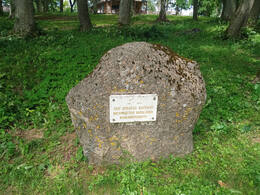
Monument to the defenders of Bauska against the Soviet occupation in 1944 in the Castle Garden
The monument to the defenders of Bauska in 1944 was unveiled on September 14, 2012, at the initiative of former Bauska Volunteer Battalion soldier Imants Zeltiņš and with his and the local government's financial support. The red granite stele, which is mounted on a three-tiered concrete base, is engraved with the text: “To the defenders of Bauska against the second Soviet occupation 1944.28.07.-14.09.” and “Latvia must be a Latvian state. Kārlis Ulmanis.” The unveiling of the monument was followed by protests from the Russian and Belarusian Foreign Ministries and local Russian mass media, but in the spring of 2024 the monument was even attacked by vandals. Despite this, a memorial event dedicated to the defenders of Bauska is held at this location every year on September 14 at 2:00 p.m.
At the end of July 1944, as the Soviet troops approached Bauska, there were no significant German forces in the city, which had recently been deep in the rear. The immediate fall of Bauska was prevented by the decisive action of Major Jānis Uļuks, the head of the Bauska district and commander of the guard regiment, who at the end of July formed the Bauska Volunteer Battalion, which consisted of guards of the 13th Bauska Guard Regiment, police officers, as well as volunteers. The battalion took up defensive positions on the banks of the Lielupe River in Jumpravmuiža opposite the Ziedoņi islet and on the first day it had to engage in battle with the attacking Red Army. Initially, the battalion was very poorly armed, and most of its automatic weapons had to be obtained as trophies. A few days later, the 23rd, 319th-F. and 322nd-F. Latvian police battalions also joined the war effort. Until mid-August, the 15th Latvian SS Reserve and Supplement Brigade Battalion, formed from training and medical companies, also participated in the defense of Bauska against the second Soviet occupation. In total, 3,000-4,000 Latvian soldiers participated in the battles for Bauska, who at the end of the battles had to face a tenfold superiority. Soviet troops managed to take Bauska only on September 14, after a month and a half of resistance by Latvian and German soldiers.
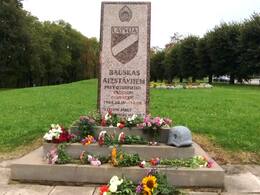
Memorial ensemble for those who fought against the Soviet occupation and the victims of communist repression in the Bauska Castle Garden
The memorial ensemble in the Bauska Castle Garden was opened on the 90th anniversary of the Republic of Latvia – on November 18, 2008. The memorial site was created according to the idea of the Bauska region’s politically repressed club “Rēta”. The two-part grey granite monument was made according to the design of architect Inta Vanaga with the funds of the Bauska city municipality and donors. The text is engraved on it: “To the fighters against the Soviet occupation regime, those arrested, deported and tortured 1940-1990”. Every year on March 25 and June 14, memorial events dedicated to the victims of the deportations of 1941 and 1949 are held at this place
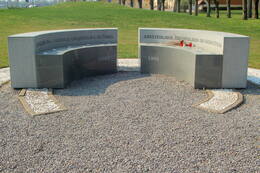
Memorial to the defenders of Bauska against the Soviet occupation in 1944 in the garden of the Holy Spirit Evangelical Lutheran Church
In the garden of the Bauska Holy Spirit Evangelical Lutheran Church, the defenders of Bauska – Latvian soldiers – were buried during the battles of 1944. During the years of the USSR occupation, playgrounds for a kindergarten were set up here. On November 9, 1996, a memorial stone created by sculptor Mārtiņš Zaurs was unveiled in the church garden. The text carved into the roughly worked red boulder under the Latvian Legion sleeve patch – a red-and-white representation of the shield – “Long live Latvia to you! To the defenders of Bauska in 1944.” The memorial stone was erected at the initiative of the Latvian National Soldiers’ Association and the Bauska branch of the organization “Daugavas Vanagi”. Financial support was also provided by the Bauska city and district municipalities. Next to the stone is a white-painted wooden cross, under which is attached a red-white-red painted replica of the legionnaires' shield, and even lower is a pink granite plaque with the text: "Here lie the legionnaires, the heroic defenders of Bauska, 1944.28.VII – 1944.14.IX"
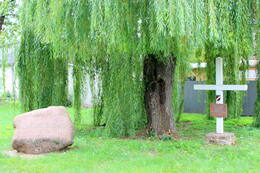
Piemiņas plāksne padomju okupācijas režīma represiju upuriem Bauskā Plūdoņa ielā 54
Nams un piemiņas plāksne čekas represiju upuriem pie ēkas Bauskā Plūdoņa ielā 54, kur pēc Otrā pasaules kara padomju okupācijas laikā atradās Bauskas apriņķa, vēlāk - rajona čeka. Šeit pagrabos ieslodzījumā tika turēti un pratināti nacionālie partizāni un viņu atbalstītāji, bet pagalmā atpazīšanai un vietējo iedzīvotāju iebiedēšanai tika nomesti nogalinātie partizāni. Piemiņas plāksne atklāta pēc 2000.gada, uz tās attēlotas stilizētas dzeloņstieples, cietuma restes un teksts: “Klaudz zābaku zoles, vaid cilvēku simts... Ik diena kā atmiņa, ko neaizmirst sirds. Šajā ēkā padomju okupācijas laikā atradās represiju iestādes (NKVD, “čeka”) Bauskas apriņķa nodaļa, kur cilvēkam atņēma dzimteni, māju, ģimeni, brīvību un dzīvību”. Okupācijas laikā pie šī nama bija piemiņas plāksne trijiem kritušajiem okupācijas varas pārstāvjiem, kuri bija zaudējuši dzīvību neveiksmīgi mēģinot pieveikt vienu nacionālo partizānu – Jāni Gudžu.
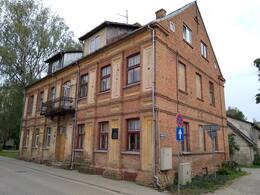
Piemiņas plāksne skolu jaunatnes pretošanās dalībniekiem pie Bauskas pilsētas pamatskolas Rīgas ielā 32
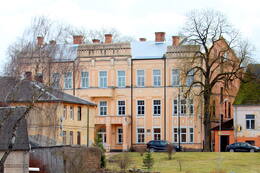
Piemiņas plāksne jauniešu pretošanās organizācijas dalībniekiem pie Bauskas pilsētas pamatskolas Rīgas ielā 32, kur pēc Otrā pasaules kara atradās Bauskas vidusskola. Uz 2000. gadā atklātās plāksnes lasāms uzraksts: ”... Un paceltas nesām tikai savas sirdis. Šajā skolā mācījās jauniešu nacionālās pretošanās grupa, kas savu jaunību ziedoja cīņai pret komunistu okupācijas varu (1948-1950)”.
1948. gada rudenī Bauskā izveidojās patriotiski noskaņotu jauniešu nacionālās pretošanās grupa, kas pilsētā izlīmētās proklamācijas un uzsaukumos aicināja uz cīņu pret okupantiem un Latvijas neatkarības atjaunošanu, kā arī brīdināja par 1949. gada 25. martā sagaidāmajām komunistu režīma deportācijām. Vairāki Bauskas jaunieši pēc vidusskolas beigšanas studēja Rīgā, bet turpināja darboties šajā pagrīdes organizācijā. Vairāki jaunieši bija iegādājušies ieročus un sprāgstvielas, un sarīkoja atentātu pret kolhoza priekšsēdētāju Codes pagastā. Bija plānots uzbrukt arī citām padomju okupācijas varas amatpersonām, kā arī uzspridzināt svētku tribīnes Bauskā, Baldonē un Elejā. Tas nenotika, jo 1950. gada vidū sākās aresti. Bauskā un Rīgā apcietināja 12 jauniešus, vairākus no viņiem arestēja tieši vidusskolas izlaiduma dienā – 22. jūnijā. 1951. gada februārī Baltijas kara apgabala tribunāls organizācijas vadītājiem Gunāram Zemtautim un Arvīdam Kļaugam piesprieda nāvessodu, bet sešiem vidusskolēniem un četriem studentiem – 25 gadu ieslodzījumu spaidu darba nometnēs.
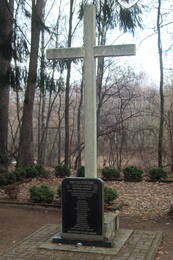
Piemiņas vieta latviešu un lietuviešu nacionālajiem partizāniem Ceraukstes pagasta Plūdoņa kapos
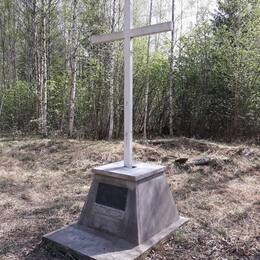
Piemiņas vieta latviešu un lietuviešu nacionālajiem partizāniem atklāta 2011. gada 11. septembrī. Tajā uzstādīts balti krāsots metāla krusts, kura pakājē atrodas granīta stēla ar iekaltiem četrpadsmit nacionālo partizānu vārdiem un tekstu: “Par Tevi, Tēvu zeme. Latviešu un lietuviešu nacionālie partizāni. Krituši cīņā pret komunistisko okupāciju Ceraukstes, Panemūnes, Īslīces un Pabiržu (Lietuva) pagastā 1945.–1954. g. Jānis Gudža, Teodors Auniņš, Pēteris Varens, Žanis Strautiņš, Miķelis Dombrovskis, Vilis Krūmiņš, Olģerts Trans, Laimonis Auniņš, Jānis Ulinskis, Jānis Anilonis, Povilas Glinda, Petras Gibrjūnas, Petras Volosklāvičius, Alberts “Voldmerārs” “Direktors”. Jūsu kapu vietas nav zināmas”.
Piemiņas vietu ar Bauskas novada pašvaldības atbalstu iekārtojusi Latvijas Nacionālo partizānu apvienība, krustu par saviem personīgajiem līdzekļiem darinājis smalkmehāniķis Harijs Frīdemans no Dobeles.
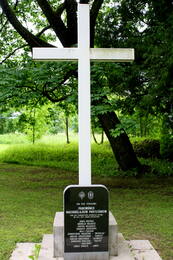
Piemiņas vieta latviešu un lietuviešu nacionālajiem partizāniem Brunavas pagasta Mežgaļu skolas parkā
Piemiņas vieta latviešu un lietuviešu nacionālajiem partizāniem atklāta 2007. gada 25. maijā. Tajā uzstādīts balti krāsots krusts, kura pakājē atrodas granīta stēla ar tajā iekaltiem desmit nacionālo partizānu vārdiem un tekstu: “Par Tevi, Tēvu zeme! Paņemūnes nacionālajiem partizāniem. Cīņā pret komunistisko okupācijas režīmu no 1944. līdz 1952. gadam kritušajiem. Jānis Dručka, Andrejs Bojasts, Arvīds Melducis, Augusts Juškēvičs, Willi Fischer, Stanislovas Naudžius – “Mykolas”, Juozas Krikščiūnas – “Karlis”, Juozas Balčiūnas – “Klemute”, Augustas Pareizis – “Kazys”, “Juozupas”, Jonas Sirbike – “Janis””. Piemiņas vietu pēc arhitekta Gunāra Blūzmas projekta iekārtojusi Latvijas Nacionālo partizānu apvienība.
Piemineklis kapucīnu mūkiem – nacionālās pretošanās kustības atbalstītājiem pie Skaistkalnes baznīcas
Piemineklis atrodas pie Skaistkalnes katoļu baznīcas un bijušā Mazāko brāļu kapucīnu ordeņa klostera ēkas – vietā, kur pēc Otrā pasaules kara ar mūku atbalstu slēpās nacionālie partizāni un viņu atbalstītāji. Uz 2011. gadā atklātās un paulīniešu tēva Jāņa Vīlaka iesvētītās piemiņas stēlas lasāms uzraksts: “Kapucīnu ordeņa mūki – nacionālās pretošanās kustības atbalstītāji Kārlis Gumpenbergs OMC (1904-1980), Miķelis Jermacāns OMC (1911-1986), Kārlis Kiselevskis OMC (1906-1979), Miķelis Kļaviņš OMC (1906-1986), Jānis Pavlovskis OMC (1914-2001). Viņi sniedza patvērumu un atbalstu nacionālajiem partizāniem un nelegāli dzīvojošām personām Rīgā, Skaistkalnē un Viļakā 1945.-1947. g.”.
Kapucīnu tēviem veltītā piemiņas akmens iesvētīšanas pasākums notika 2011. gada 8. oktobrī. Akmeni iesvētīja Skaistkalnes katoļu baznīcas paulīniešu tēvs, priesteris Jānis Vīlaks. Pasākumā piedalījās Latvijas Nacionālo partizānu apvienības priekšsēdētājs Ojārs Stefans, Skaistkalnes pagasta pārvaldes vadītāja Ineta Skustā un citi vietējie iedzīvotāji.
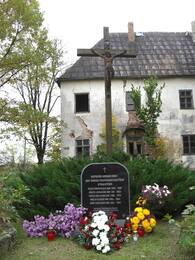
Piemiņas vieta nacionālajiem partizāniem Kurmenes pagastā
Piemiņas vieta nacionālajiem partizāniem pie Kurmenes pagastnama atklāta 2023. gada 4. maijā, - vietā, kur atradās PSRS okupācijas karaspēku slavinošs piemineklis, kas demontēts saskaņā ar Latvijas Republikas Saeimas 2022. gada jūnijā pieņemto likumu “Par padomju un nacistisko režīmu slavinošu objektu eksponēšanas aizliegumu un to demontāžu Latvijas Republikas teritorijā”. Piemiņas vietā uzstādīts balti krāsots koka krusts, kura pakājē atrodas melna granīta stēla ar tajā iekaltu tekstu: “Kurmenes un apkārtējo pagastu nacionālajiem partizāniem 1944.-1953. Lauzīs mūs, bet nesalieks”.
Pa labi no piemiņas zīmes uzstādīts stends ar Bauskas muzeja vēsturnieka Raita Ābelnieka sagatavotu informāciju par Kurmenes nacionālajiem partizāniem. Piemiņas vieta izveidota pēc vietējo iedzīvotāju iniciatīvas un ar Bauskas novada Vecumnieku apvienības pārvaldes Kurmenes pagasta nodaļas un Bauskas novada domes atbalstu.
Aktīva cīņa pret padomju okupācijas režīmu un varas iestāžu represijām ritēja Bauskas novada austrumdaļā – Skaistkalnes, Kurmenes, Bārbeles un Valles pagastā. Šajā teritorijā kopš otrreizējās padomju okupācijas 1944. gada rudenī bija daudz vīru, kas slēpās no varas pārstāvjiem. Mežabrāļi bija gatavi pretoties varas iestāžu mēģinājumiem tos sagūstīt, tāpēc tika sagādāti ieroči un munīcija. Tolaik tas bija vienkārši izdarāms, jo bijušajās kauju vietās tādu mantu netrūka.
Starp atsevišķām grupām nodibinājās kontakti un izveidojās lielākas partizānu vienības. Tām pievienojās bijušie Latviešu leģiona kareivji no Kurzemes, kas pēc Vācijas kapitulācijas nebija nolikuši ieročus un padevušies gūstā, bet turpināja cīņu pret okupantiem. Laika posmā no jūlija līdz septembrim izveidojās aptuveni 20 vīru nacionālo partizānu vienība, kuras kodolu veidoja Kurmenes pagasta iedzīvotāji. Tajā ietilpa arī vīri un jaunieši no Bārbeles, Skaistkalnes, Valles un kaimiņu Mazzalves pagasta Jēkabpils apriņķī.
Par vienības komandieri kļuva 1912. gadā dzimušais Ludvigs Putnieks no Kurmenes pagasta «Nagliņiem», viņa vietnieks bija agrākais leģionārs Viktors Ančevs no tā paša pagasta «Mūrniekiem». L. Putnieks 30. gados vadīja patriotiskās jauniešu organizācijas «Latvijas Vanagi» Kurmenes nodaļu.
Šī partizānu vienība 1945. gada rudenī un ziemā sarīkoja vairākus uzbrukumus okupācijas varas amatpersonām, kā arī aplaupīja kolaborantus un valstij piederošas pienotavas un veikalus. Tas tika darīts, lai mežabrāļu uzturēšana nebūtu smags slogs jau tā gandrīz pilnīgi izputinātajiem radiem un citiem atbalstītājiem. No partizānu lodēm krita vairāki iznīcinātāju bataljonu kaujinieki, tā dēvētie «istrebiķeļi», okupācijas varas ielikteņi Kurmenes pagasta Partizānu ciema padomē un Skaistkalnes pagasta izpildkomitejā. Šāda partizānu aktivitāte krietni vien samazināja kolaborantu vēlmi pildīt okupācijas varas rīkojumus.
Tomēr L. Putnieka partizānu grupā tika iefiltrēts kāds aģents, par ko liecina turpmākie notikumi. 1946. gada 14. janvārī, kad V. Ančevs «Mūrniekos» apciemoja māti, tur ieradās miliči un «istrebiķeļi», lai viņu aizturētu. Izcēlās apšaude, kurā nevienlīdzīgā kaujā gāja bojā mežabrālis un viņa māte.
Partizānu bunkuriem Mazzalves pagasta mežā pie Kurmenes pagasta robežas 2. februārī uzbruka PSRS Iekšlietu karaspēka 288. strēlnieku pulka vienības. Asiņainā kaujā pret pārspēku krita Jānis Teodors Meija no Valles pagasta, Vilips Saulītis no Skaistkalnes pagasta, Arnolds Freimanis no Kurmenes pagasta, Fricis Galviņš no Mazzalves pagasta un kāds nezināms rīdzinieks ar segvārdu Ika vai Jonelis. Pārējiem mežabrāļiem kaujas burzmā izdevās atkāpties un nozust. Par uzbrucēju zaudējumiem nav izdevies atrast informāciju. Turpmākajās čekistu operācijās izdevās nogalināt vai sagūstīt vairākus citus partizānus.
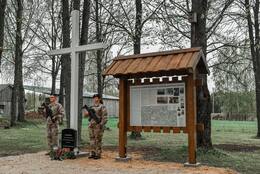
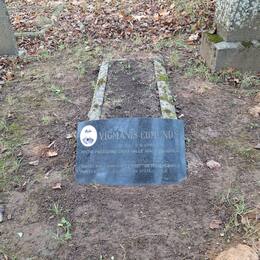
The gravestone of national partisan Edmunds Vigmanis, who fell in 1941, at Valle Cemetery
The gravestone in the Valle cemetery was erected here on July 4, 1941, for the national partisan Edmunds Vigmanis, who was buried here on July 30, 1941, and who fell on June 30 in a clash with Soviet armed formations. The plaque features a ceramic medallion with a photo of E. Vigmanis in a guard uniform and the following inscription: “Vigmanis Edmunds. Born on April 6, 1907. Fell in partisan battles in Valle on June 30, 1941. The countrymen who pass by me are burning with love for the Fatherland. For the beloved Fatherland, I pledge my life.”
After the start of the German-USSR war and the escape of the employees of the Taurkalne parish executive committee, on June 30, local residents gathered at the Taurkalne parish hall in Valle, hoisted the Latvian flag on the flagpole, and formed a 25-man national partisan unit, but only partially armed with rifles and shotguns, led by guard Osvalds Ivanovskis. On the same day, a clash with about twenty Red Army soldiers took place near Jaunbruntālie, during which additional trophy weapons were obtained and five were killed, eight were wounded, and the remaining Red Army soldiers were dispersed. The national partisan, the owner of Jaunbuki, Edmunds Vigmanis, fell in the battle, while O. Ivanovskis and the owner of Bārzdiņi, Jānis Krūmiņš, were wounded.