



Latvijos laikinosios vyriausybės ginkluotosios pajėgos
I Nepriklausomybės karai


Latvijos Laikinajai vyriausybei politiškai ir ideologiškai ištikimi kariniai dariniai, priklausę Latvijos vidaus apsaugai ir Estijos armijai Latvijos Nepriklausomybės karo metu nuo 1918 m. lapkričio 18 d. iki 1919 m. liepos 10 d.
Latvijos laikinosios vyriausybės ginkluotosios pajėgos buvo decentralizuotai suformuotos maždaug per šešis mėnesius, esant aplinkybėms, kai Latvijos laikinoji vyriausybė negalėjo visiškai kontroliuoti Latvijos teritorijos. Jas daugiausia sudarė savanoriai ir mobilizuoti gyventojai iš Latvijos ir Estijos teritorijų. Laikinosios vyriausybės ginkluotąsias pajėgas sudarė Pietų Latvijos brigada, Šiaurės Latvijos brigada ir partizanų daliniai arba „žaliosios armijos“, taip pat komendantūros ir paramos tarnybos. Iki 1919 m. balandžio 16 d. Latvijos laikinosios vyriausybės ginkluotosios pajėgos taip pat buvo laikomos vokiečių Landesvero daliniais. Siekiant atskirti Landesvero ginkluotųjų dalinių ideologinę priklausomybę, literatūroje vartojamas terminas „nacionaliniai būriai“.
Daugiau informacijos šaltinių
https://enciklopedija.lv/ skyrius „Latvijos laikinosios vyriausybės ginkluotosios pajėgos, 1918–1919 m.“

Susijusios vietos
Oskaro Kalpako muziejus ir memorialinė vieta „Airītes“
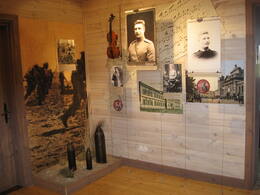
Oskaro Kalpako muziejus ir memorialinė vieta „Airītes“ yra tarp Saldaus ir Skrundos, netoli greitkelio A9. Parodoje pateikiama išsami informacija apie pulkininką Oskarą Kalpaką ir jo batalioną, taip pat pristatoma Latvijos nacionalinės armijos ir memorialinės vietos „Airītes“ istorija. Parodoje pulkininką Oskarą Kalpaką pristatoma kaip asmenybę, kaip karį ir kaip kovotoją už Latvijos nepriklausomybę. Parodoje taip pat yra garso įrašų latvių, anglų ir vokiečių kalbomis. Juose pabrėžiama 1918/1919 m. istorinių įvykių svarba saugant Latvijos valstybingumą. Muziejaus pastatas yra restauruotas.
Įėjimas nemokamas; ekskursija su gidu – mokama. Komplekse yra poilsio zona, parkas, kliūčių ruožas, galima lankyti įvairius užsiėmimus, yra seminarų salė iki 30 žmonių.
Memorial stone in Oskaras Kalpaka Square in Saldus
O. Kalpakos aikštė yra pačiame Saldaus centre, Lielā ir Striķu gatvių sankryžoje.
Buvusi turgaus aikštė šiandien yra mėgstama Saldaus gyventojų ir svečių poilsio vieta, kurioje rengiami koncertai, minėjimai ir šventės. 1919 m. kovo 10 d. Saldaus tapo pirmuoju Latvijos miestu, kurį išlaisvino pulkininko Oskaro Kalpako batalionas.
1919 m. kovo 14 d. aikštėje įvyko pirmasis Latvijos atskirojo bataliono paradas, o 1992 m., pulkininko Kalpako garbei, aikštė buvo pavadinta jo vardu.
Latvijos karo muziejus
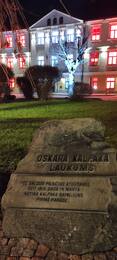
Latvijos karo muziejus yra įsikūręs senamiestyje, netoli Laisvės paminklo, istoriniame gynybos pastate, vadinamame „Parako bokštu“. Muziejuje yra 11 eksponatų. Čia eksponuojami įvairūs ginklai, dokumentai, uniformos, apdovanojimai, ženkleliai ir kiti daiktai, pasakojantys apie kasdienį kareivio gyvenimą kare. Latvijos karo muziejus yra vienas seniausių muziejų Latvijoje. Jo ištakos siekia Pirmąjį pasaulinį karą. Muziejaus kolekciją daugiausia sudarė asmeniniai kareivių daiktai arba mūšio laukuose rasti daiktai. Latvijai atgavus nepriklausomybę, pagrindinis muziejaus tikslas tapo sukurti ekspoziciją apie Latvijos karo istoriją ir aktyvų gyventojų vaidmenį saugant savo žemę. 1937 m. muziejus buvo išplėstas ir techniškai buvo vienas moderniausių tuo metu Europoje. Parako bokštas buvo vienas iš Rygos įtvirtinimų bokštų. Kai kurie įrodymai siekia 1330 m., kai jis buvo minimas kaip „Smėlio bokštas“. Bokštas buvo sugriautas 1621 m., kai Rygą apgulė Švedijos armija. Tačiau 1650 m. buvo pastatytas naujas bokštas parakui ir ginklams laikyti. Nugriovus miesto įtvirtinimus, Parako bokštas išlieka vienu svarbiausių Rygos gynybos sistemos įrodymų.
Paminklas pirmajam mūšiui už Latvijos nepriklausomybę
Adresas: Inčukalns, Atmodas g. 2.
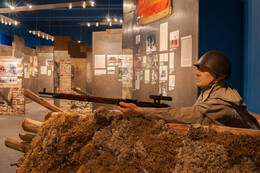
2016 m. liepos 3 d. buvo atidengtas paminklas pirmajam mūšiui už Latvijos nepriklausomybę, skirtas Latvijos landesverui (Die Lettländische Landeswehr), kuriame vietos baltų vokiečiai, rusai ir latviai, tuo metu buvę abiejų pusių daliniuose, gynė naujai įkurtą valstybę nuo bolševikų Raudonosios Armijos. Brolių kapų komiteto pirmininkas Eiženas Upmanis tuo metu padarė išvadą, kad tai galėtų būti pirmasis paminklas jungtinėms Latvijos ir Baltijos vokiečių pajėgoms mūšio memorialuose už kapinių ribų. Tuo metu Latvijos landesvero latvių dalinių vadu buvo paskirtas pulkininkas leitenantas Oskaras Kalpaksas, iš kurio dalinių Laisvės kovų metu išaugo ir susiformavo vėlesnė Latvijos armija.
1918 m. visa dabartinės Latvijos teritorija pateko į Vokietijos imperijos ir jos kariuomenės rankas. Tačiau 1918 m. vasaros pabaigoje ir rudenį padėtis ėmė sparčiai keistis prieš Vokietiją ir tapo aišku, kad tik laiko klausimas, kada Vokietija bus priversta pripažinti pralaimėjimą Pirmajame pasauliniame kare. Rusijos imperija, kurios dalimi Latvija buvo iki Pirmojo pasaulinio karo, nustojo egzistuoti anksčiau, po 1917 m. vasario ir spalio revoliucijų. 1918 m. lapkričio 18 d. buvo paskelbta Latvijos Respublika. Vokietijos kariuomenė, kuri po 1918 m. lapkričio 11 d. paliaubų su Antantės valstybėmis buvo dislokuota Latvijos teritorijoje, nebebuvo motyvuota tolesniems karo veiksmams, ir dauguma jos kareivių tiesiog norėjo grįžti į tėvynę.
Tokiomis aplinkybėmis buvo akivaizdu, kad Latvijos gynyba pirmiausia priklausė nuo pačių Latvijos gyventojų suformuotos nacionalinės gvardijos. Iš pradžių, dėl savo išsilavinimo ir santykinai didesnio gebėjimo savarankiškai organizuotis, didžiausią iniciatyvą formuojant tokią nacionalinę gvardiją rodė Latvijoje gyvenantys Baltijos vokiečiai. Į nacionalinę gvardiją įstojo ir Rusijos kareiviai. Siekdama užtikrinti nacionalinės gvardijos aprūpinimą uniformomis, ginklais ir kitais reikalingais ištekliais, Latvijos laikinoji vyriausybė 1918 m. gruodžio 7 d. sudarė susitarimą su Vokietijos atstovu Augustu Vinnigu, numatantį nacionalinės gvardijos aprūpinimą iš Latvijos teritorijoje esančių Vokietijos armijos rezervų. Šiame susitarime, be kita ko, buvo nurodyta, kad ši nacionalinė gvardija, oficialiai vadinama „Latvijas zemessardze“ arba vokiškai „die Lettländische Landeswehr“, bus Latvijos Respublikos ginkluotosios pajėgos.
Latvijos nacionalinė gvardija susidūrė su dviem Latvijos raudonųjų šaulių pulkais (t. y. maždaug 2000–3000 karių), kurie anksčiau buvo patyrę Pirmajame pasauliniame kare ir Rusijos pilietiniame kare. Nepaisant Raudonosios armijos patirties ir skaitinės persvaros, Latvijos nacionalinė gvardija dvi dienas laikė Inčukalną įnirtingose kovose, kol galiausiai 1919 m. sausio 1 d. vakarą, norėdama išvengti apsupties, buvo priversta trauktis, praradusi 43 žuvusius ir kelis sužeistuosius, kurių dauguma buvo bolševikų sučiupti, kur žuvo arba mirė nuo bado ar ligų.
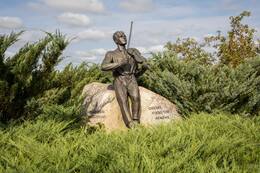
Autorius: Artis Buks. Medžiaga: lauko akmuo. Paminklas pagamintas iš didelio monolitinio akmens, rasto Ruļļuose netoli Jelgavos.
Pulkininko Oskaro Kalpako „Liepsalos“ gimtinė ir amžinojo poilsio vieta Visagalo kapinėse
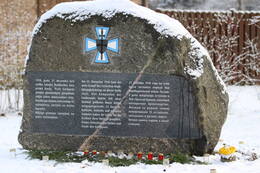
Pulkininko Oskaro Kalpako šeimos memorialas Liepsaluose yra Maduonos ir Lubano ežero teritorijoje. Liepsalas yra Kalpako vaikystės namai. Memorialinė vieta čia buvo įkurta 1997 m., remiantis pulkininko dukterėčios Ārijos Kalpako-Grundmanės (1922–2006) idėjomis ir panaudojant jos išteklius. Vietovėje eksponuojami įvairūs aplinkos objektai ir akmens skulptūros, turinčios simbolinę reikšmę, perteikiančios Latvijos etines ir patriotines vertybes. Didžiausiame pastate įrengta ekspozicija, skirta Latvijos nepriklausomybės karo istorijai ir 22 Latvijos laisvės metams (1918–1940). Visagalo kapinėse esantis Oskaro Kalpako paminklas, kurį sukūrė Kārlis Zāle ir Arnolds Dzirkals, buvo atidengtas 1927 m. Paminklą sudaro trijų figūrų kompozicija, kurios centre – senovės latvių karys, laikantis skydą ir kardą, o iš abiejų pusių – po krintantį karį. Skulptūrinės grupės papėdėje ant granito pagrindo įstrižai pritvirtinta bronzinė lentelė su išgraviruotu tekstu, įskaitant Edvardo Virzos Kalpaksui skirtą eilėraštį. Oskaras Kalpaksas mirė 1919 m. kovo 6 d. netoli Airytės, prie kelio iš Skrundos į Saldų.
Karosta, Liepojos karinis uostas (ekskursija)
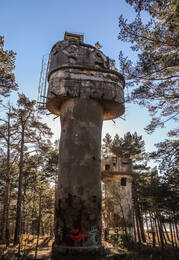
Karosta yra didžiausia istorinė karinė teritorija Baltijos šalyse ir užima beveik trečdalį visos Liepojos teritorijos. Karosta – unikalus karinių ir įtvirtinimų pastatų kompleksas Baltijos jūros pakrantėje, turintis ypatingą reikšmę Latvijos ir pasaulio istorijoje bei architektūroje. Karostoje yra tokie karinio paveldo objektai kaip Šiaurinis molas ir fortai, Redanas, Karostos kalėjimas, Karostos vandens bokštas, Šv. Nikolajaus stačiatikių Jūros katedra, Oskaro Kalpako tiltas ir kiti.
Tikroji laivo „Saratov“ švartavimosi vieta
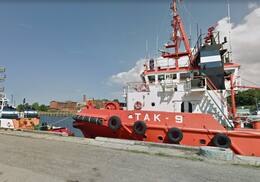
Tikroji laivo „Saratov“ prieplauka yra Liepojoje, Vecā ostmalā 59, netoli laivų prieplaukų, tačiau memorialas yra visai šalia Liepojos specialiosios ekonominės zonos.
Pastatytas 1888 m. Kopenhagoje, laivų statykloje „Buvmeistar & Wain“, pavadinimu „Leopold II“. 1911 m. jį įsigijo Rusijos šiaurės vakarų laivybos kompanija ir pervadino į „Saratov“, o laivo kapitonu tapo latvis Aleksandras Remessas.
1915 m. gegužę, kai Liepoją okupavo vokiečių kariuomenė, laivas „Saratov“ buvo uoste apgadintas.
1919 m. sausio 10 d. garlaivis „Saratov“ buvo perimtas Latvijos laikinosios vyriausybės reikmėms. Nuo 1919 m. balandžio iki 1919 m. liepos mėn. K. Ulmanio vadovaujama laikinoji vyriausybė po „Balandžio 16-osios perversmo“ buvo laive „Saratov“, kuris buvo priverstas ieškoti prieglobsčio sąjungininkų laivyno globoje.
1919 m. liepos 8 d., atvedus į Rygą K. Ulmanio laikinąją vyriausybę, garlaivis buvo naudojamas eismui tarp Rygos, Ventspilio ir Liepojos.
Pagal 1920 m. rugpjūčio 11 d. Latvijos ir Sovietų Rusijos taikos sutarties sąlygas garlaivis „Saratov“ turėjo būti grąžintas sovietų pusei. 1923 m. sausio 2 d. garlaivis buvo perduotas Sovietų Rusijos atstovui. 1923 m. sausio 15 d. garlaivis „Saratov“ žuvo netoli Akmeņrago.
1936 m. Latvijos jūrų departamentas pardavė laivo nuolaužas įmonei, kuri jas iškėlė ir perdavė metalo laužui Liepojos vielos gamyklai.
Pulkininko Oskaro Kalpako amžinojo poilsio vieta
Įsikūręs Visagalos kapinėse, Madonos apskrityje
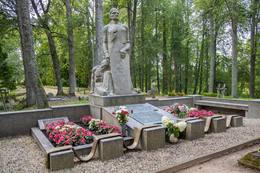
Eksponuojamas Oskaro Kalpako paminklas, atidengtas 1927 m. liepos 10 d., Kārlio Zālės ir Arnoldio Dzirkalio – trijų figūrų kompozicija, kurios centre pavaizduotas senovės latvių karys su skydu ir kardu rankose, o abiejose jo pusėse stovi du kariai. Skulptūrinės grupės papėdėje ant granito pagrindo įstrižai pritvirtinta bronzinė lentelė, kurioje išgraviruotas tekstas, kuriame yra ir Edvardo Virzos eilėraštis, skirtas Kalpakui.
Oskaras Kalpakas žuvo 1919 m. kovo 6 d. netoli „Airītē“, Skrundos–Saldus kelio pakraštyje, o jo palaikai rugsėjo 18 d. iš Liepojos šiaurinių kapinių buvo perkelti į šeimos kapines Visagaloje.
Paminklą atidengė pulkininko O. Kalpako paminklo komiteto pirmininkas generolas J. Balodis, dalyvaujant tuometiniam Respublikos prezidentui G. Zemgalui, ministrui pirmininkui M. Skujeniekui, Saeimos pirmininkui P. Kalniniui, karo ministrui R. Bangerskiui ir K. Ulmaniui. Paminklo kertinis akmuo buvo padėtas 1925 m. birželio 19 d. Paminklo akmuo buvo paimtas iš pulkininko gimtųjų namų Sienos pelkėje, ant šio akmens O. Kalpakas vaikystėje mėgo groti smuiku.
Susijusi istorija
Pulkininko Kalpako paskutinis mūšis netoli Airytės
Pulkininkas Kalpakas buvo gerbiama figūra kariniuose sluoksniuose ir tikras patriotas. Būtent patriotizmo dvasia ir nelaimingas atsitiktinumas lėmė lemtingą jo ir vokiečių batalionų susidūrimą, kuris, deja, baigėsi pulkininko Kalpako mirtimi.
Estijos karinis jūrų laivynas padėjo Latvijos pajėgoms Nepriklausomybės karo metu.
Birželio 23 d. estai švenčia Pergalės dieną, taip pažymėdami bendrą Latvijos ir Estijos pergalę Cėsių mūšyje. Ir šioje pergalėje reikšmingą vaidmenį atliko Estijos karinis jūrų laivynas, kuris šiame Landesvero kare, kaip jį vadina estai, savo drąsiais veiksmais ir taikliais patrankų ugnimi prie Dauguvos žiočių kėlė grėsmę pagrindiniams vokiečių pajėgų tiekimo keliams per Dauguvą, esantiems visai netoli Rygos.
Jānis Lapiņš ir pirmasis Latvijos raudonos, baltos ir raudonos vėliavos projektas
Latvijos nacionalinės vėliavos sukūrimas vyko Pirmojo pasaulinio karo metais. 1915 m., kuriant Latvijos šaulių batalionų vėliavas, pavieniai menininkai siūlė raudonas, baltas ir raudonas vėliavų spalvas. Po pedagogo ir žurnalisto Janio Lapinio sumanymo, raudonai baltai raudoną vėliavą 1916 m. antroje pusėje pagamino jo mokinė, Valmieros pabėgėlių prieglaudos mokytoja Marianna Straumane. Tai pirmoji žinoma ir iš tikrųjų pagaminta Latvijos nacionalinė vėliava, kuri taip pat išliko iki šių dienų.
Oskaro Kalpako bataliono mūšis netoli Lielaucės
Sausio 15-osios naktį Kalpako batalionas kovojo pirmąjį mūšį Lielaucėje, atremdamas raudonųjų puolimą. Tai buvo pirmasis reikšmingas Kalpako bataliono mūšis, o pergalė suteikė kariams ypač stiprų moralinį postūmį.
Oskaro Kalpako atminimui
Oskaro Kalpako atminimas saugomas daugelyje vietų – tai liudija jo gimtieji Liepsalu namai, paminklas Visagalos kapinėse, minėjimo renginiai ir gražūs koncertai kovo 6 d., Meirānu Kalpako pradinė mokykla, gatvės Lubanoje, Madonoje ir kituose miestuose ir taip toliau. Tačiau šiame straipsnyje – apie Oskaro Kalpako atminimo išsaugojimą gimtajame krašte XX a. 3–4 dešimtmečiais.
Apie pirmąjį Latvijos armijos vyriausiąjį vadą Dāvidą Sīmansoną
Knygos „Latvijos armijos vadai“ esė įtikina, kad istorijai didelę įtaką daro konkretūs asmenys. Nors svarbiausių istorinių įvykių epicentre jie buvo trumpą laiką, tikri Latvijos patriotai, turėdami didelę karinę patirtį, sugebėjo daug nuveikti formuojant ir stiprinant Latvijos kariuomenę bei istorinių įvykių lūžio taškuose.
Ši istorija yra apie pirmąjį Latvijos armijos vyriausiąjį vadą Dāvidą Sīmansoną (1859–1933).
Šiaurės Latgalos išlaisvinimas nuo bolševikų
1918 m. gruodžio 1 d. Raudonosios armijos daliniai, sudaryti iš raudonųjų šaulių dalinių, įsiveržė į Latvijos teritoriją. Siekdami apsaugoti savo namus, šeimas, gimtąjį kraštą ir išvengti teroro, Balvių apylinkių vyrai griebėsi ginklų ir patraukė į miškus, prasidėjo pirmųjų „žaliųjų“ grupių formavimasis. 1919 m. pavasarį, paskelbus mobilizaciją, daugelis Balvių apylinkių vyrų laikė nepriimtiną kovą sovietinėje Latvijos armijoje ir prisijungė prie „žaliųjų“ grupių. Buvo suformuotos Balvių, Silakrogo, Rugėjų, Teteru-Dūrupės ir Liepnos grupės. „Žaliųjų“ grupių veikla Balvių apylinkėse suaktyvėjo 1919 m. kovo mėn.
Artūro Ozolo prisiminimai apie laivą „Saratov“
Artūras Ozolas baigė Rygos politechnikos institutą ir tarnavo Rusijos Juodosios jūros laivyne karininku (mičmanu) ir inžinieriumi karo laive „Panteleimon“. Latvijos išsivadavimo kovos metu jis įstojo į Studentų kuopą. Liepojoje jis pradėjo eksploatuoti laivą „Saratov“. Artūro Ozolo atsiminimai apie laivą „Saratov“ buvo publikuoti Daugagavos Vanagi mėnesiniame leidinyje.
Akmeņrago švyturys ir seklumėlė – viena didžiausių laivų kapinių Baltijos jūroje
Būtent Akmensrago švyturio rajone 1923 m. sausio 13 d. tragiškai užplaukė ir sudužo garlaivis „Saratov“ , kuriuo, įkūrus nepriklausomą Latvijos valstybę, prieglobstį rado K. Ulmanio vadovaujama laikinoji vyriausybė.
Vilio Narkevičiaus kovinės veiklos 1919 m. lapkričio 6 d. aprašymas
Būrio vado, leitenanto Juliaus Rosenthalio Vilio Narkevičiaus, kovinės veiklos aprašymas, 1921 m. lapkričio 3 d.