
Lielais pārrobežu maršruts - militārais mantojums Latvijas un Lietuvas 100 gados
Jelgavas Sv. Trīsvienības baznīcas tornis
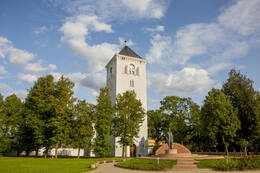
Jelgavas Sv. Trīsvienības baznīcas tornis atrodas Jelgavas pilsētas centrā.
Torņa vēsture sniedzas vairāk nekā četros gadsimtos, kļūstot par nozīmīgu liecinieku gan pilsētas attīstībai, gan traģiskiem notikumiem. Baznīcu sāka celt 1574. gadā pēc Kurzemes un Zemgales hercoga Gotharda Ketlera pavēles, un tās tornis, kas tika pabeigts 1688. gadā meistara Martina Knoha vadībā, kļuva par vienu no ievērojamākajām pilsētas būvēm.
Otrā pasaules kara laikā Jelgava tika smagi nopostīta, un baznīca nodega 1944. gadā pēc PSRS aviācijas uzlidojuma. Pēc kara padomju varas iestādes baznīcas altāra daļu uzspridzināja, bet mūrus nojauca. Vienīgi tornis tika saglabāts kā stratēģisks objekts, jo tas bija augstākais punkts pilsētā. Kara laikā un pēc tā tornis tika izmantots militārām vajadzībām. No torņa novēroja pretinieku pozīcijas un kontrolēja apkārtni.
Pēckara gados tornis kalpoja arī kā stratēģisks punkts pretošanās kustības aktivitātēm. Tas kļuva par slepenu tikšanās vietu un bāzi informācijas nodošanai, kas bija būtiska cīņā pret padomju režīmu. Tornis, saglabājot savu vēsturisko nozīmīgumu, mūsdienās atdzimis kā kultūras un izziņas centrs.
Ģ. Eliasa Jelgavas vēstures un mākslas muzejs
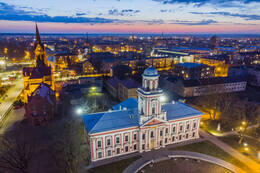
Ģ. Eliasa Jelgavas vēstures un mākslas muzejs atrodas ēkā, kuras nosaukums ir Academia Petrina (Pētera akadēmija). Tā celta 1775. g. kā pirmā augstskola Latvijas teritorijā un ir viena no retajām sabiedriskajām celtnēm, kas Jelgavā saglabājusies un atjaunota pēc Otrā pasaules kara. 1944. g. vasarā Jelgava zaudēja gandrīz visu – lielu daļu iedzīvotāju un vēsturisko apbūvi, kas pēc Otrā pasaules kara tikpat kā netika atjaunota. Pašreizējā muzeja priekštecis – Kurzemes Provinces muzejs – dibināts 1818. g. Tas bija otrs vecākais muzejs Latvijā un pirmais ārpus Rīgas. Ēkā Academia Petrina muzejs atrodas kopš 1952. g. Mūsdienās muzejā aplūkojamas pastāvīgās ekspozīcijas par izcilo latviešu mākslinieku Ģedertu Eliasu (1887–1975), aizvēsturi un viduslaikiem Zemgalē, Jelgavu Kurzemes un Zemgales hercogistes periodā (1561–1795), Kurzemes guberņas (1795–1918) un neatkarīgajā Latvijas valstī (1918 - 1940).
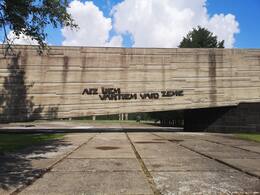
Muzeja ekspozīcijā “Zem svešām varām dzīve turpinās” skatāma dzīve Latvijā vācu un padomju okupācijas laikā. Muzeja piedāvātā virtuālā ekspozīcija “Kari un karavīrs cauri Jelgavas laiku lokiem” ir ieskats dažādajos karos, kas skāruši Jelgavu, tostarp Pirmā un Otrā pasaules kara vēstures notikumiem.
Piemineklis Jelgavas atbrīvotājiem „Lāčplēsis”
Piemineklis Jelgavas atbrīvotājiem “Lāčplēsis” atrodas Jelgavā, Stacijas parkā, pretī Dzelzceļa stacijas ēkai. Tas atklāts 1932. gada 22. jūnijā, piedaloties Valsts prezidentam A. Kviesim un ir celts par godu Jelgavas atbrīvošanai 1919. gada 21. novembrī, Latvijas Neatkarības kara laikā.
1940. gadā, pirmajā padomju okupācijas periodā, pieminekli pārmaiņas neskāra. 1941. gadā, kad padomju okupantus nomainīja vācu okupācijas spēki, vācu okupācijas pārvaldes vadītājam fon Mēdemam, kas bija atgriezies Jelgavā (viņa senči bija Jelgavas pils sākotnējie cēlāji), pieminekļa nepārprotamā simbolika nepatika. 1942. gada 31. oktobrī vācu okupācijas varas iestādes deva rīkojumu pieminekļa autoram Kārlim Jansonam nokalt vācu bruņinieka tēlu.
1950. gadā padomju okupācijas varas iestādes pavēlēja pieminekli iznīcināt. Ar traktora palīdzību Lāčplēsi nogāza no pjedestāla, sadauzīja un mēģināja pilnīgi iznīcināt akmeņu drupinātājā. Tomēr Lāčplēsis izrādījās tik ciets, ka drupinātājs salūza. Pieminekļa nesadrupināto vidusdaļu slepus ieraka zemē bērnudārza teritorijā.
1988. gadā pieminekļa fragments tika atrasts un šobrīd atrodas pie Ģederta Eliasa Jelgavas Vēstures un mākslas muzeja. Pieminekli atjaunoja un atklāja 1992. gada 21. novembrī. Tā autors ir tēlnieks Andrejs Jansons, kurš atjaunoja sava tēva K. Jansona veidoto pieminekli.
Piemineklis Jelgavas aizstāvjiem
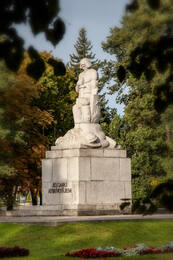
Piemineklis Jelgavas aizstāvjiem – Daugavgrīvas zemessargiem, kuri 1915. gada aprīļa beigās apturēja vācu armijas uzbrukumu Jelgavai, tika atklāts 1991. gadā pie Svētes skolas Jelgavas novadā. 1915. gada maija sākumā Jelgavā notika plaša demonstrācija, kas bija veltīta šim nozīmīgajam notikumam. Faktu, ka latviešu zemessargiem izdevās apturēt vācu uzbrukumu, Jānis Čakste un viņa domubiedri izmantoja, lai pamatotu ideju par latviešu strēlnieku vienību dibināšanu Pirmā pasaules kara laikā.
Pieminekļa autore ir tēlniece Alvīne Veinbaha (1923-2011).
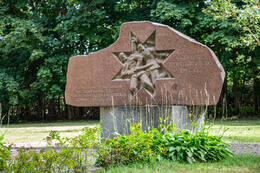
Elejas kara vēstures ekspozīcija
Muzejs atrodas Elejā, bijušajā dzelzceļa stacijas ēkā. Elejas kara muzeju izveidojusi biedrība “Zemgales strēlnieks”. Biedrības pārstāvji aktīvi nodarbojas ar sabiedrības izglītošanu, izmantojot ekspozīcijas, izstādes un izglītojošas programmas.
Muzeja ekspozīcija galvenokārt veltīta Otrajam pasaules karam. Tajā apskatāmi formas tērpi, ekipējums, bruņojums un tā laika fotogrāfijas. Muzejā ir iespējams nofotografēties dažādu vēstures posmu un armiju militārajās formās. Nelielajā divstāvu ēkā izvietoti vairāki simti militārā mantojuma eksponātu. Papildus izstādīti eksponāti, kas saistīti ar Elejas pilsētu un novadu, tā vēsturi un ievērojamām personām.
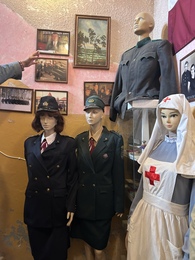
Joniškio istorijos ir kultūros muziejus
Joniškio istorijos ir kultūros muziejus yra įsikūręs Joniškio miesto centre. Muziejus veikia nuo 1989 metų, jame pristatomos ekspozicijos, reprezentuojančios krašto istorijos ir archeologijos vertybes, etninės kultūros ir sakralinio meno paveldą.
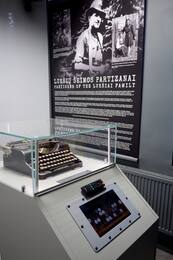
Istoriko ir muziejininko, partizaninio judėjimo tyrinėtojo Dariaus Vičo iniciatyva muziejuje buvo įrengta Joniškio krašto partizanams skirta ekspozicija. Atskiroje patalpoje pristatomos už Lietuvos laisvę kovojusių partizanų asmenybės bei jų kova su sovietų okupacine valdžia.
Ekspozicijoje pristatoma autentiška spausdinimo mašinėlė “Olympia“, tarnavusi paskutiniems Joniškio krašto partizanams Kostui Liuberskiui-Žvainiui ir Steponui Erstikiui-Patašonui: ja buvo spausdinami partizanų periodinio leidinio „Partizanų šūvių aidas“ numeriai. “Partizanų šūvių aidas” - pogrindinis laikraštis, leistas 1952–1957 m. Juozapavičiaus tėvūnijos teritorijoje (Akmenės, Joniškio, Žagarės ir Kuršėnų rajonų paribiuose). Tai – vėliausiai ėjęs partizanų periodinis leidinys.
Spausdinimo mašinėlė pritaikyta interaktyviam pažinimui – spaudžiant jos klavišus, lankytojas pamato nuotraukas ir išgirsta partizaninio pasipriešinimo istorijas. Eksponuojamas radijo imtuvas taip pat leidžia pasiklausyti partizanų kūrybos dainų.
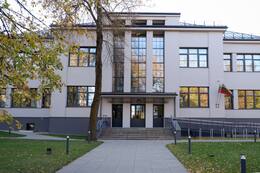
Šiaulių istorijos muziejus
Šiaulių istorijos muziejus stovi Aušros alėjoje, Šiaulių miesto centrinėje dalyje. Muziejus duris po rekonstrukcijos atvėrė 2022 m. Jis yra įkurtas istoriniame „Aušros“ muziejaus pastate, pastatytame 1932 metais pagal vietos architekto Vlado Bitės projektą. Iš pradžių pastate veikė mokykla, o 1933 metais jo dalis buvo atiduota muziejui.
Šiandien Šiaulių istorijos muziejuje susitinka naujausios technologijos ir tradicinė muziejininkystė, veikia moderni atvirų saugyklų ekspozicija, pristatoma Šiaulių miesto istorija nuo pirmųjų žinių apie vietovę iki nepriklausomos Lietuvos Respublikos paskelbimo 1918 metais.
Dalis ekspozicijos skirta karo tematikai. Pirmo aukšto salėje pateikiamas atkuriamosios dokumentikos filmas apie Šiaulių žemėje vykusį Saulės mūšį, pateikiami eksponatai (daiktai, dokumentai, nuotraukos), susieti su Pirmuoju pasauliniu karu, mat jo metu miestas buvo stipriai nuniokotas, nukentėjo tiek gyventojai, tiek infrastruktūra. Ekspozicijoje pristatomos ir kovos su bermontininkais, 1919 m. užėmusiais miestą, siautėjusiais ir plėšusiais namus.
Šiaulių istorijos muziejaus ekspozicijų turinį išplečia edukacinės erdvės bei lauko ekspozicija. Daugiafunkcei muziejinei veiklai vykdyti skirta ir parodų-renginių salė.
Sukilėlių kalnelis
Sukilėlių kalnelis – smėlio kalva Šiaulių miesto vakarinėje dalyje, kurios istoriją paveikė abu pasauliniai karai.
Vieta liūdnai pagarsėjo dar 19 a. II p.: kalnelyje buvo palaidoti 1863–1864 m. sukilimo prieš carinės Rusijos Imperijos priespaudą dalyviai, nubausti mirties bausme. Apie vietą pradėjo sklisti kraupios legendos, ji buvo apleista ir retai lankoma, galiausiai praminta Sukilėlių kalneliu. I pasaulinio karo metais jame buvo palaidoti Vokietijos imperijos kareiviai.
1926 m. kalnelį pradėta tvarkyti. Miesto inžinierius Karolis Reisonas pasisiūlė parengti paminklo-obelisko, skirto sukilėliams, projektą. 1928 m. sukilėlių kalnelyje įvyko Lietuvos nepriklausomybės 10-ųjų metinių minėjimas, atidarytas Nepriklausomybės sodas, tačiau paties paminklo statybos buvo užbaigtos tik 1935 m. Pastatytas paminklas – 14 m aukščio rausvo granito obeliskas – buvo atidengtas ir pašventintas, perlaidoti čia rastų sukilėlių palaikai.
II pasaulinio karo metais kalnelyje buvo palaidoti 1941–1944 m. žuvę Vokietijos Reicho kariai.
Sovietinės okupacijos metais antkapiniai paminklai buvo demontuoti, o 1955–1957 m. Sukilėlių kalnelio paminklas-obeliskas rekonstruotas – pašalinta visa tautinė ir religinė simbolika. 1988 m., minint 125-ąsias sukilimo metines, autentiškas paminklo vaizdas buvo atkurtas.
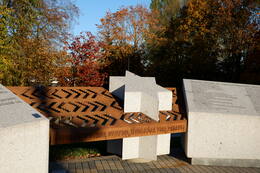
Pasaulio tautų teisuolių skveras (paminklas)
2021 m. spalio 22 d. Šiauliuose, Ežero ir Vilniaus gatvių sankirtoje buvo atidarytas Pasaulio Tautų Teisuolių skveras. Tai pirmasis paminklas Pasaulio Tautų Teisuoliams Lietuvoje. Paminklo autorius – iš Šiaulių kilęs dizaineris Adas Toleikis, o iniciatorius Šiaulių apskrities žydų bendruomenės pirmininkas Sania Kerbelis.
Sukurtame monumente „Jungtis“ iškaltos Šiaulių apskrities Pasaulio Tautų Teisuolių pavardės, įamžinančios 148 žydų gelbėtojus, o meniniai akcentai žymi Šiaulių getų vartų vietas. Šiaulių mieste buvo įsteigti du getai: vadinamajame Kaukazo kvartale ir Ežero–Trakų g. kvartale. Į pirmąjį getą buvo siunčiami fiziškai stiprūs ir darbui tinkami asmenys, į antrąjį – specialistai (gydytojai, mechanikai ir kiti). Getas Šiauliuose buvo įsteigtas 1941 m. vasarą Šiaulių miesto karo komendanto nurodymu, o likviduotas 1944 m., nacistinei Vokietijai traukiantis ir likusius žydus pervežus į Štuthofo ir Dachau koncentracijos stovyklas. Getuose buvo įkalinta daugiau kaip 5950 žydų. Tarpukariu Šiauliuose gyveno apie 6500–8000 žydų, dalis jų savo noru pasitraukė į Rusijos gilumą, o po holokausto liko vos apie 350–500 žydų kilmės gyventojų.
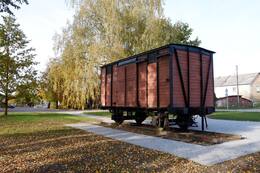
Trėmimų traukinio vagonas
Netoli Radviliškio traukinių stoties yra pastatytas atkurtas trėmimų traukinio vagonas, primenantis tragišką istorijos puslapį, kai 1941-1952 m. okupacinė Sovietų valdžia masiškai deportavo Lietuvos Respublikos gyventojus į atokias Sovietų Sąjungos vietoves. Vien iš Radviliškio miesto buvo ištremta daugiau, nei 3000 gyventojų.
Iš viso 1941–1952 m. iš Lietuvos buvo ištremta apie 135 500 žmonių. 1941 m. birželio 14-ąją – pirmąją masinių trėmimų Lietuvoje – dieną į trėmimo traukinių vagonus pradėti „talpinti“ Radviliškio miesto ir apylinkių gyventojai.
2012 m. vagoną, tarpininkaujant Lietuvos gyventojų genocido ir rezistencijos tyrimo centrui, Radviliškio rajono savivaldybei neatlygintinai perdavė Lietuvos kariuomenės Specialiųjų operacijų pajėgų Vytauto Didžiojo jėgerių batalionas. Autentiškas trėmimų vagonas buvo parvežtas iš Kauno, kruopščiai atkurtas geležinkelininkų, dabar jame veikia nedidelė ekspozicija.
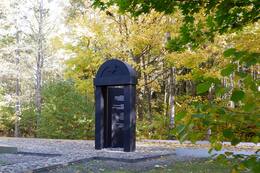
Šeduvos žydų I ir II holokausto vietos
Šeduvos I ir II holokausto vietos yra Liaudiškių miške (Radviliškio r.), apie 10 km į pietvakarius nuo Šeduvos. Žvyrkelyje pastatyta lankytino objekto nuoroda.
Pirmoji žydų tautybės žmonių palaikų kapavietė užima mišku apsuptą 375 m² dydžio teritoriją, kurios didesnė dalis išgrįsta akmenimis. Šioje vietoje nužudyta ir užkasta apie 400 žmonių. Už maždaug 500 m yra antroji kapavietė. Žydų tautybės žmonių palaikai palaidoti 144 m² dydžio teritorijoje. Aikštelės reljefas lygus, didesnė dalis teritorijos taip pat išgrįsta akmenimis. Šioje vietoje nužudyta ir užkasta apie 300 žmonių.
1941 m. šiose vietose buvo nužudyta visa Šeduvos miestelio žydų bendruomenė – beveik 700 žmonių. Prieš tai jie dar mėnesį praleido Pavartyčių kaime įkurtame gete. Rugpjūčio 25-26 d. geto gyventojai buvo išvežti į Liaudiškių mišką. Prie iškastos duobės buvo atvaromi pasmerktieji, kuriuos vokiečių įsakymu nužudė vietiniai policininkai ir baltaraiščiai tarp nužudytųjų buvo 230 vyrų, 275 moteris ir 159 vaikai.
2014-2015 m. Šeduvos žydų memorialinio fondo iniciatyva žudynių vietos buvo sutvarkytos ir pritaikytos lankymui. Žudynių vietose įrengti 2 skulptoriaus Romo Kvinto paminklai: „Durys“ ir „Spindulys-žvaigždė“.
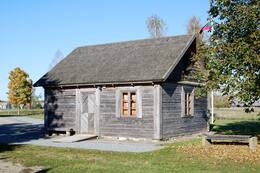
Мемориал Саюдиса борцам за свободу Литвы в Минайчяе (Минайчяйский бункер-музей)
Осенью 1948 года хутор партизан А. и С. Микняй в деревне Минайчяй Радвилишкского района был выбран местом зимовки штаба Присикелимского военного округа. Под сараем партизаны вырыли небольшой бункер для размещения штаба округа.
16 февраля 1949 года партизанские командиры в Минайчяе завершили и опубликовали декларацию освободительной борьбы Литвы «Саюдис». Основной целью Декларации было восстановление Литвы в парламентской республике (как это было в 1920–1926 годах). На собраниях формально присутствовали восемь человек: Йонас Жемайтис-Витаутас, Юозас Шибайла-Мераинис, Пятрас Барткус-Жадгайла, Адольфас Раманаускас-Ванагас, Александрас Грибинас-Фаустас, Витаутас Гужас-Кардас, Леонардас Григонис-Ужпалис и Бронюс Лиесис-Нактис.
Бункер использовался и позже. Партизанская фармацевт Изабеле Вилимайте-Стирна лечила партизана Лауринаса Мингиласа-Джюгаса, тяжело раненного в бою под Ужпелькяй. В 1953 году пустующий бункер обрушился, и хозяева засыпали его землёй.
В 2010 году начались работы по реставрации партизанского бункера и амбара, а также строительство памятника. Памятник, созданный скульптором Йонасом Ягелой, носит имена партизан, подписавших Декларацию. В амбаре построен настоящий партизанский бункер со стеклянной крышей, который посетители могут осмотреть сверху; в амбаре также работает экспозиция.
Музей IX форта Каунаса
Музей IX форта Каунаса расположен на перекрестке важных международных транспортных путей недалеко от Каунаса и до него легко добраться на машине. IX форт был построен в 1903–1913 годах как один из фортов комплекса Каунасской крепости с задачей защиты стратегически важного хребта Линкува. Форт был построен с использованием бетонных плит – новшества того времени, электричества и системы вентиляции. Форт не пострадал во время Первой мировой войны. С 1924 по 1940 год IX форт был тюрьмой для политзаключенных и уголовных преступников, а с 1940 по 1941 год он стал пересыльным пунктом НКВД. Во время Второй мировой войны IX форт стал местом массового убийства евреев, где нацистским оккупационным режимом было убито около 50 000 евреев из разных стран. В 1958 году в IX форте был создан музей, рассказывающий о преступлениях нацистов, а в 1984 году был построен мемориальный комплекс и установлен памятник жертвам нацизма (авторы: Альфонсас Винцентас Амбразиунас, Гедиминас Баравикас и Витаутас Виелюс). Сегодня музей IX форта рассказывает историю крепости, а также историю преступлений, совершённых нацистами и советскими властями.
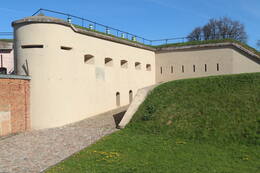
KGB Nuclear Bunker Museum
The Kaunas nuclear bunker, located 6 m underground, has a museum with exhibits from private collectors (> 1200). The most interesting ones include a collection of gas masks and the largest exhibition of Cold War radio equipment and spy devices in the Baltic States.
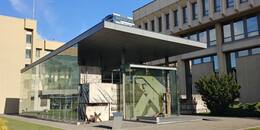
January 13th Memorial of the Seimas of the Republic of Lithuania
The monument is located in Vilnius, in front of the Second Palace of the Parliament (Seimas) of the Republic of Lithuania. In January 1991, the people of Lithuania surrounded the Par liament Palace with barricades, in a fight for and in defence of their freedom. It was an attempt to protect Lithuania from military aggression by the Soviet Union of the time – Soviet at tempts to stage a coup d’état in Lithuania and restore Soviet rule. Barricades surrounded the Parliament building until the end of 1992. In 1993, in front of the Palace of the Seimas of the Republic of Lithuania, a unique memorial was erected – made of parts of the barricades and other relics – it was dedicated to the Lithuanian people who sacrificed their lives for freedom. On 13 January 1991, tragic events unfolded, as the Soviet Army and special forces occupied the Lithuanian Radio and Televi sion Centre building and the television tower, killing 14 freedom fighters and injuring around 600 people. As the tenth anniversary of the Defenders of Freedom Day was approaching, a decision was made to preserve the composition by creating a memorial to 13 January. The Memorial was inaugurated in 2008. The memorial preserves an authentic fragment of the 1991 par liamentary barricades and has a chapel with an icon to the Blessed Virgin Mary. The memorial displays objects brought by people and provides an insight into the events that took place during the defence of the independence of Lithuania.
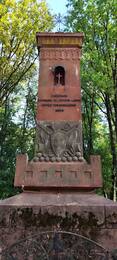
Monument to the Soldiers Killed for Lithuania‘s Freedom in 1920
The monument is located in Giedraičiai.
On 19 June 1932, a monument dedicated to the fallen Lithuanian freedom fighters was unveiled in Giedraičiai. The construction of the monument was initiated by the inhabitants of Giedraičiai – the painter and author of the monument Antanas Jaroševičius, Pastor Meigis, Malvina Valeikienė and Matas Valeika, who sup ported the Lithuanian soldiers in battle, the community of Širvintos and the Lithuanian Army; the amount of 11,000 litas was raised for the construction of the monument. The appeal for donations for the monument states that it is being built “to honour victory and our eternal joy, which will remind us of the historical significance of the site and pay tribute to the soldiers buried in Giedraičiai”. The opening ceremony was sumptuous. It was attended by the President of the Republic of Lithuania, A. Smetona – Command er-in-Chief of the Lithuanian Armed Forces, representatives of the 2nd, 4th, 7th, and 9th Regiments and officers, who took part in the Battles of Giedraičiai. Flowers were dropped at the monument from military planes, and Malvina Valeikienė, a prominent Lithu anian personality and one of the organisers of the construction works of the monument, read out the names of the Lithuanian soldiers who died in Giedraičiai, and she was awarded the Order of the Cross of the Knight, 3rd Class. The flag of the local rifle men unit was consecrated at the monument. From 1962–1964, pursuant to the instructions of the Soviet administration, an un successful attempt was made to demolish the monument, but it was later declared a historical monument.
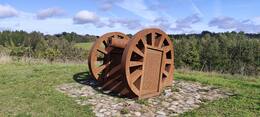
A stylised cannon commemorating the 100th anniversary of the Battle of Giedraičiai
A stylised cannon commemorating the 100th anniversary of the Battle of Giedraičiai is located behind the town of Giedraičiai, 200 m after turning off on road No. 172.
On 21 November 2020, a monument by sculptor Džiugas Jurkūnas was unveiled on a hill at the site of the Battle of Giedraičiai, commemorating the victory. The monument is a stylised interpretation of the battles of the Lithuanian Army against the Polish Army during the inter-war period. In an attempt to move away from the description of the conflict, the monument highlights the importance of the union of the two countries in the context of contemporary events. The rust-covered cannon symbolises the strong union of the re publics of Lithuania and Poland – two countries that fought each other a century before. The situation of the time is described on the sides of the monument; the Lithuanian and Polish Army units involved are mentioned and a brief description of the battle is provided. The Lithuanian Armed Forces are the initiator and the funder of the erection of the monument
Museum of the Battles for Freedom in Utena
The museum is located in Utena, near the junction of the Kaunas-Daugpilis (A6) and Vilnius-Utena (A14) trunk roads. The museum was established in 2015 at the former narrow gauge railway station building of Utena. The museum claims to be a form of poetry that tacitly exposes the post-war truth. The exhibition “A Common European Identity in the Context of Totalitarian Regimes” offers to explore the past of Lithuania and Europe through the history of one Lithuanian region. It tells the story of secret documents and the division of Europe in 1939, the Soviet occupation of Lithuania, the forced participation of Lithuanians in World War II, exile, post-war resistance and the organisation of collective farms in the Utena region. The painful events of 1940–1965 in the Utena region and the events in Lithuania are contrasted with life behind the Iron Curtain. The history of the narrow-gauge railway station also has tragic pages. From here, in 1941 and from 1945–1953, train cars with deportees were sent to Siberia.
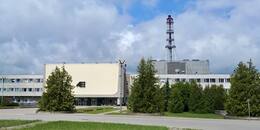
Ignalina Nuclear Power Plant
Ignalina Nuclear Power Plant is located at a distance of 6 km from Visaginas, on the Visaginas-Ignalina road (KK177).
It is the only former nuclear power plant in the Baltic states. It is sometimes called the “sister” of Chernobyl because both plants have Soviet-made RBMK reactors. The first reactor (power block) of the Ignalina Power Plant was commissioned in 1983. It was planned to install four such reactors. After the installation of all the units, Ignalina was to become the most powerful nuclear power plant in the world.
The second reactor was due to be commissioned in 1986, but the Chernobyl accident postponed the start-up. However, in 1987, it was put into operation. In 1988, based on the initiative of the Lithuanian reform movement Sąjūdis, the “Ring of Life” campaign was organised in front of the power plant against the construction of Unit 3. The construction of the plant was conserved, and it was finally stopped in 1989. After the accident at Chernobyl, the safety system of RBMK-type reactors was upgraded but their proliferation was stopped.
Ignalina Nuclear Power Plant is listed in the Guinness Book of World Records. It became famous again in 2019 as the location for the production of HBO and Sky UK TV miniseries Chernobyl. Decommissioning works of the nuclear power plant started in 2010. Nowadays, tours of the plant are organised and an exhibition hall has been set up.
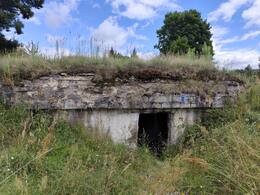
Blindages of the German Army Support Point in Tilžė Village
The blindages are located in the village of Tilžė, just next to road No. 5303.
Two blindages of the 88th Division of the German 8th Army, which fought against the Russian Army on this front from 1915–1918, were designed to protect the soldiers from enemy fire. They were made of concrete. A small amount of reinforcement is visible in the roof structure of the shelter. The inscriptions “88 J.D.T.” preserved on the beams of the blindages (metal gutters) indicate that they were made by units of the 88th Division.
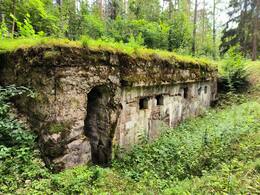
WWI German Army Blindage (Command Post)
The WWI German Army Blindage (command post) is located in the village of Kimbartiškė, next to road No. 5303.
From 1915–1918, the 88th Division of the German 8th Army fought against the Russian Army on this section of the front. A blindage (command post) was situated here. It was built from the most durable building materials – concrete and rebar – and has two entrances with a small row of windows between them. The blindage had electricity, and water was taken from a nearby well; there were two stoves, wooden benches and a sleeping ledge. The premises for the officers, communications offices and redressing rooms had white walls.
This massive building is built to take advantage of the rugged terrain; therefore, it is installed in a small depression. It is an example of a passive fortification structure. Passive structures were not designed for active defence. They were designed to protect soldiers and ammunition from devastating artillery fire. Inside the structure, there are traces of whitewash on the walls. The site is identified as a former command post.
World War I Exposition in Turmantas
The exposition is located in Turmantas of Zarasai district.
During World War I, Turmantas was an important logistical point for the German 88th Division on the Eastern Front. The World War I exposition in Turmantas is part of the international route “Along the Trails of the First World War” and is located in the primary school building of the town. The modern and virtualreality- enhanced exposition features many unique artefacts, replicas and photographs of World War I, as well as introduces the combat conditions and lives of soldiers on the Eastern Front, their weapons and ammunition, as well as uniforms and equipment.
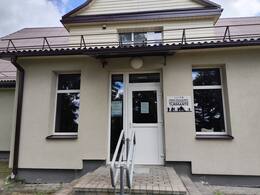
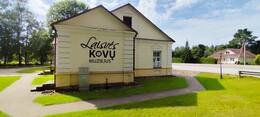
First World War Museum
The fiercest battles of the First World War in Latvia took place near Daugavpils in August and October 1915, in the highlands of Ilūkste and Medumi. The Germans tried to break through to Daugavpils, but the Russians – to push them back. Both sides were unsuccessful and began to build trenches, creating in depth defence positions consisting of three lines.
The First World War Museum in Medumi is dedicated to these battles. The first part of the exhibition presents the history of the vicinity of Medumi, providing testimonies that bear evidence that Medumi was a well-populated and developed area before the war. Part 2 focuses on the events of the First World War in Europe and Latvia. Here, you can learn about the lives of soldiers and the innovations that emerged during the war, as well as examine the weapons used by the German and Russian armies. In the third hall of the exhibition, visitors can put themselves in the shoes of a soldier by experiencing bunker life. In this hall, a replica of a Russian bunker has been created – a fragment of a trench with a small shelter, elements of a battlefield and dummies of soldiers. Since the wooden bunkers of the Russian Army did not survive, they have been reconstructed at the museum, while the concrete bunkers of the German Army can be seen by visiting the International route of WWI Bunkers. The hall, with the imitation of a shelter, audio and video equipment, creates an authentic atmosphere of the battlefield.
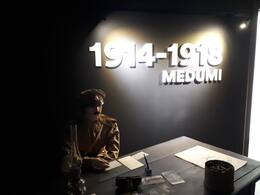
Private Collection of World War I Heritage and Local History
The Stikāni family are engaged in collecting historical artefacts. The collected historical evidence of Medumi Parish and the surrounding area is accumulated in the small, purpose-built building. An extensive collection of World War I and World War II artefacts is on display at the museum.

The Museum of Military Vehicles in Svente
The museum is located next to the hotel “Sventes Muiža” (Svente Manor).
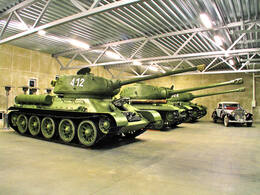
The exhibition of the museum is unique since the objects in the collection were found on former battlefields. Soviet military equipment has been skilfully restored – some exhibits can even be started up and used for demonstrations. The tanks on display are believed to be rare exhibits on a European scale. The museum displays:
• Soviet tanks – the T-34 medium tank and the IS-2 and IS-2M heavy tanks, which are named after Stalin;
• BRDM-2 and BRDM-1 armoured airborne reconnaissance vehicles;
• military vehicles Jeep Willys and GAZ-67;
• self-propelled guns;
• cannons and other pieces of equipment.
Daugavpils Lead Shot Factory
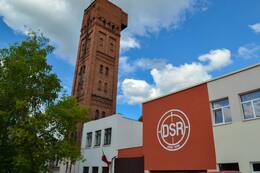
The Daugavpils Lead Shot Factory, founded in 1885, is the oldest ammunition factory in Northern Europe, the only factory of its kind in the Baltic states, and one of the oldest industrial heritage sites in Latvia. It is home to Europe’s only operational lead shot tower.
Over the centuries, the factory has been producing high quality hunting shots and continues to do so today. The factory preserves equipment and structures from the 19th century, which have been supplemented before and after the World Wars. Modern equipment is used to produce ammunition.
Visitors can see the historical exhibition and the shot casting workshop, as well as climb the unique 31.5-metre-high tower of the plant, beneath which a 13.5-metre-deep cooling well is situated. This factory is a popular tourist destination that attracts both local and foreign visitors, enabling them to discover the industrial heritage of the 19th century and see the old machinery in action. After the factory tour, visitors can test the products made at the shooting range of the factory
Daugavpils Fortress
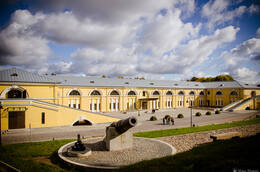
Daugavpils Fortress is an architectural, cultural and historical heritage monument of national importance. It is the last bastion-type fortress built in the world and the only surviving example of a fortress from the first half of the 19th century in Central Europe, which has been preserved without significant changes.
Its construction began in 1810, as Tsarist Russia prepared for Napoleonic invasion, and continued until 1878. In 1812, Russian and French troops fought at the unfinished fortress. After the Napoleonic Wars, the construction of the fortress continued, however, already during its construction, it began to lose its military importance.
During World War I (1915–1918), the fortress served as a support and logistics base for the Russian Army. In February 1918, it was occupied by German troops, and in December – by Bolshevik forces. In January 1920, the fortress was recaptured by Polish troops, who helped the Latvian Army to liberate Latgale from the Bolsheviks. From 1920 to 1940, the 4th Zemgale Division of the Latvian Army was stationed in the fortress.
After the occupation of Latvia in 1940, Red Army units were stationed at the fortress, and during the German occupation, it became the site of the prisoner-of-war camp for Red Army POWs “Stalags-340”. After the second Soviet occupation in 1944, Soviet troops were again stationed in the fortress. Latvia regained the fortress in 1993 after the Russian Army had left.
Jersika National Partisan Hiking Route
An object that is difficult to find in nature.
Hike length: approximately 22 km, can be completed in approximately 6 hours.
Difficulty level: medium fitness hike.
Starting point: Jersikas Elementary School in Līvāni municipality (can be reached by train, bus).
End point: Vanagi Church in Preiļi municipality (public transport does not run on weekends).
Note: The route includes a swimming break (during the summer season), fishing opportunities, a picnic area, and one public toilet. The route is also suitable for school-age children who already have experience in hiking of this length.
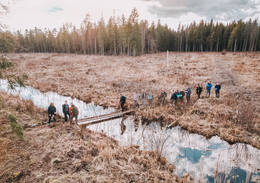
Go on a hike from Jersika to Vanagi, allowing yourself to be challenged in endurance, as the hike leads through forests, swamps, moors, meadows and country paths, and in the historical knowledge of the most prominent figures of the national partisan movement, their activities, see the most significant places about which local legends and written memories of fellow citizens are told. The path begins at the Jersika elementary school and leads to a memorial stone under an old oak tree, further along the way including the Jersika railway station. The inscription on the stone reads “LTS(p)A – For the fighters of the Latvian Fatherland Partisan Association. LTS(p)A united the national partisans of six Latvian districts in the fight against the communist occupation regime in 1945-1955”.
The walk continues along the railway tracks and winds along Lake Jersika, where the forest presents natural treasures: spring-flowering primroses and common sedge. The approach to the bog is indicated by the smell of primroses, but in spring it is especially surprising to see them blooming. A lazy walk is not possible, several ditches must be overcome, crossing the bog provides a tempering - water remains in the moss at every step, cranberry berries shine in the bushes. The bog is replaced by a forest and evidence of the former settlement of these places in homesteads - stately oaks, ruins of buildings, the site of a national partisan bunker surrounded by young growth. The path continues to the place mentioned in the testimonies as the place of founding of the Fatherland Guards (partisans) association. The forest massif also hides the memorial site “Avotnīca” (“Olūtneica”), where a campfire has been set up. The diversity of the forest is surprising, as is the width of the ditches. The destination of the hike is Vanagi Church, where priest A. Juhņevičs served, and about whom the film “Segvārds Vientulis” (directed by N. Pucis) tells the story.
At the beginning of the route, near Jersikas Elementary School, there is an information stand where, by scanning a QR code, you can listen to an audio story about historical events and partisan battles. The audio story is also available on the IziTravel platform HERE . The audio story is available in Latvian and English.
Exhibition "Fights for Freedom in the 20th Century" at the Jēkabpils History Museum
Located in Krustpils Castle
Exhibition "Fights for Freedom in the 20th Century" on display
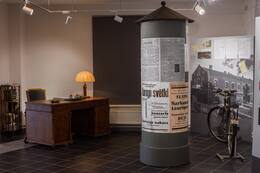
Soviet repressions. Hard memories. Sitting here in a club chair, you have the opportunity to listen to fragments of the book “There Were Such Times” by Ilmārs Knaģis, a resident of Jēkabpils. On one of the walls of the room, a list of citizens deported to Siberia slides dispassionately, like the credits after a movie. Right there, on an old TV, you can watch an amateur video about the removal of the Lenin monument in Jēkabpils. Visitors are interested not only in the content, but also in the technical capabilities - how this film was made on an old TV.
It is possible to listen to lectures prepared by museum specialists at the Jēkabpils History Museum or to register for a field trip: Jēkabpils and its surroundings during the First World War, Jēkabpils in 1990, The Time of the Barricades, 1949 Deportations - 70, Jēkabpilians - Cavaliers of the Lāčplēsis War Order, etc.
The average duration of lectures is 40 minutes. Information and registration for lectures can be found by calling 65221042, 27008136.
The Jēkabpils History Museum is located in Krustpils Castle. In 1940, after Latvia was incorporated into the USSR, the 126th Rifle Division was stationed in Krustpils Castle. During World War II, the castle housed a German infirmary, and after August 1944, a Red Army military hospital. After the war, Krustpils Castle and the adjacent manor buildings were occupied by the central warehouses of the 16th Long-Range Reconnaissance Aviation Regiment and the 15th Air Army of the Soviet Army.
Exhibition "Latvian Army in Pļaviņas in the 20th Century."
Located at Odzienas Street 2, Pļaviņas.
The permanent exhibition "Latvian Army in Pļaviņas in the 20th Century" is on display.
The building in Pļaviņas, at Odzienas Street 2, has a long history – from the time when the Stukmaņi wholesaler Hugo Apeltofts began active economic activity there, thus contributing to the development of the city of Pļaviņas, to the moment when the headquarters of the Latvian Eastern Front was established here during the War of Independence. In 1919, it was from Pļaviņas that the operations of Latvian army units against the Red Army in Latgale were led.
In 1934, a memorial plaque was unveiled near this house with the inscription: “In 1919, the Eastern Front headquarters was located in this house, and here General Jānis Balodis assumed the supreme command of the Latvian National Army.” The Soviet government removed and destroyed it in 1940, but on June 16, 1990, with the support of the Pļaviņa branch of the Latvian National Liberation Army, it was restored.
Now, near the former headquarters building, there is a memorial stele dedicated to the 15 knights of the Lāčplēsis War Order born in the Pļaviņa region, and an exhibition "The Latvian Army in Pļaviņa in the 20th Century" has been created inside the premises, which tells about the events during the Freedom Struggles, the activities of the headquarters of the 3rd Latgale Division of the Latvian Army in Pļaviņa, and also provides an insight into the life stories of the knights of the Lāčplēsis War Order.
Not far from the exhibition building is the Latgale Division Headquarters building, which was built in 1913 as the Stukmanu liqueur factory by Count Teodors Medem. In 1919, it was taken over by the P. Stučka regime, where it had also established a prison. After the Bolsheviks were expelled, the building was taken over by the Latvian Army in 1925, which housed the Latgale Division Headquarters. 10 generals and other officers of the Latvian Army spent their military careers in this building. In 1940, the building was taken over by the Red Army. In the post-war years, it housed a school, as well as the municipality. Around 1970, the building began to be used by the production association “Rīgas Apērbs”.
Visiting the exhibition must be booked in advance by calling T. 28442692.
A memorial dedicated to the mothers of Siberia in the "Garden of Destiny"
The Garden of Destiny is located on an island of the River Daugava, near the ruins of Koknese Castle. It is designed as a landscape architectural ensemble and is dedicated to the memory of the Latvian people that Latvia lost in the 20th century – those who fell in wars, were repressed, were forced into exile or otherwise suffered due to their political opinions. Like the Freedom Monument in Riga, the Garden of Destiny was created thanks to donations.
In cooperation with the Latvian Association of Politically Repressed Persons, a memorial ensemble for women deported to Siberia – mothers of Siberian children – has been created in the centre of the virtual House of Silence. Two boulders engraved with the words “Mother, you gave me life twice. When I was born and when I did not starve to death. A child of Siberia.” remind one of the selflessness and great sacrifice of mothers.
World War I trenches have been preserved on the grounds of the Garden of Destiny. A memorial to the Latvian Riflemen has been created there, which was inaugurated on the 100th anniversary of the founding of the Riflemen Regiments. The composition of the site consists of two parts: The group of Latvian boulders symbolises those who stayed at home, while the row of boulders in the trenches of the First World War symbolises the Latvian Riflemen. The boulders were selected and artistically arranged by sculptor Ojārs Feldbergs.
“Soviet Years” Exhibition at Aizkraukle Museum of History and Art
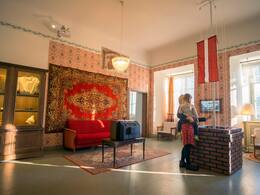
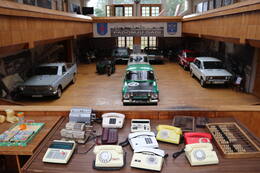
In November 2018, to celebrate the centenary of Latvia, the “Soviet Years” exhibition was opened at Aizkraukle Museum of History and Art – the largest exhibition in the Baltic states dedicated to the cultural and historical heritage of the 1950s–1980s. The exhibition is spread over three floors in an area of 1,060 m2. It reflects Soviet life in its multiple facets: everyday life, work and leisure, education and culture. Soviet-era cars are on display on the ground floor.
A separate library – the Red Corner has been set up. A wide-ranging exhibition invites visitors to explore everyday life and apartment interiors during the Soviet era – furniture and household items, tableware, textiles and electrical appliances.
Other exhibition spaces are dedicated to emigration, Soviet repressions, everyday life, medicine, state structures, tourism and sport, childhood and education. Soviet military paraphernalia and uniforms are also on display among various exhibits.
Salaspilsi memoriaalansambel
Salaspilsi memoriaalansambel ja ajaloonäitus asub Salaspilsi piirkonnas, 1,2 km kaugusel Riia-Daugavpilsi maanteest A6. Salaspilsi memoriaal avati 1967. aastal kohas, kus Teise maailmasõja ajal asus Salaspilsi laager. See on müütidest ja pooltõdedest ümbritsetud koht, mida kasutati nõukogude propaganda jaoks, natside kuritegude ja kommunistliku ideoloogia näidis. Salaspilsis asus karistuslaager, mis oli osa Saksamaa karistusasutuste süsteemist. See sarnanes koonduslaagritega, kuid ei olnud üks neist. Laager loodi selleks, et Riia vanglates poleks liiga palju vange. Laager oli politseivangla laiendus. Siin hoiti vangis erinevaid inimesi, näiteks juute, Punaarmee sõjavange, tööle hilinejaid, poliitvange, kriminaalkurjategijaid, prostituute, Läti vastupanuliikumise liikmeid ja Saksa armees või politseis teeninud balti sõdureid. Laagris võis ühtaegu olla kuni 2200 vangi. Surma põhjustasid peamiselt (~2000) kehv toit, töötingimused, kehaline karistamine ja haigused.