



Nikolai Reek (1890-1942)
Wars of Independence, World War II


Эстонский генерал, политик и один из выдающихся полководцев Освободительной войны. Кавалер Креста Свободы 1-го класса 2-го ранга, 2-го класса 2-го ранга и 2-го класса 3-го ранга.
Николай Реек родился 1 февраля 1890 года в Таллине под именем Николай Базыков, но вырос в семье Алексея Реека на Сааремаа. Он окончил Чугуевскую военную академию в 1910 году, курсы воздушных наблюдателей в Киеве в 1916 году и Императорскую Николаевскую военную академию в Санкт-Петербурге в 1917 году. Он был первым эстонским офицером, обучавшимся в Высшей военной школе во Франции с 1923 по 1925 год.
В начале Первой мировой войны в 1914 году он был назначен командиром роты 90-го Онежского полка и к концу войны дослужился до должности начальника штаба Мухуского (Моонзундского) укрепления морской крепости Петра Великого. Рек покинул императорскую Российскую армию в звании капитана Генерального штаба.
С началом Освободительной войны Реек был назначен региональным начальником Кайтселийта в Вирумаа и Нарве, вскоре стал командиром 5-го пехотного полка, затем 1-й и 3-й дивизий, а затем начальником штаба Вируского фронта. В 1918 году Реек получил звание подполковника Генерального штаба Вооружённых сил Эстонии, а в 1919 году — полковника Генерального штаба. В 1926 году ему было присвоено звание генерал-майора, а в 1938 году — генерал-лейтенанта.
В 1925–1926 и 1934–1939 годах Реек занимал пост начальника штаба Вооружённых сил Эстонии, в 1927–1928 годах занимал пост министра обороны, а в 1939–1940 годах – военного министра в кабинете Юри Улуотса до советской оккупации. В начале 1930-х годов он был командиром 2-й дивизии, а также руководил Высшей военной академией и Эстонским государственным колледжем обороны.
Николай Рек был женат на Мари Кларе Иогансон, у них было две дочери. Их дочь Лариса умерла в 1921 году. Вторая дочь, Тийу, была депортирована вместе с матерью в июне 1941 года. Обе погибли в Андреевке Чаинского района Томской области. Николай Рек был арестован дома в марте 1941 года и отправлен в концлагерь Усольлаг в Соликамске (Россия). Он был приговорён к смертной казни военным трибуналом НКВД и расстрелян 8 мая 1942 года.


Related objects
Värska Visitor Centre and Northern Camp
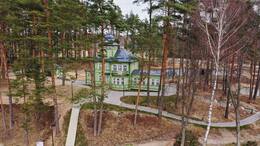
The restored Art Nouveau summer home of General Nikolai Reek is situated on the shore of Lake Õrsava in Värska, surrounded by scenic nature.
Värska Visitor Centre opened here in 2020, showcasing the unique heritage of the region. The exhibition provides an overview of the Northern Camp of Petseri established here in the 1920s, the events of the War of Independence and the use of therapeutic mud and mineral water at local resorts.
Northern Camp
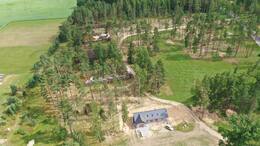
The Northern Camp is situated on the shores of Lake Õrsava south of Värska in Võru County.
Officially the Estonian Defence Forces' Northern Camp of Petseri (2nd Division staff headquarters), it was established in the mid-1920s as a summer training centre for cavalry and artillery. The complex comprised barracks, stables, officers' housing, a canteen and an impressive mess. The camp also had sports grounds and courts and swimming facilities by the lake. There were separate swimming areas for officers, soldiers and horses. In the middle of the camp were muster and parade grounds. The artillery camp was situated on the other side of the lake, including a lumber mill.
Most of the buildings have since been destroyed, but the barracks and some of the living quarters have survived. The site can be viewed from the outside.
Upon request, Värska Farm Museum can provide a thematic programme focussing on the Northern Camp.
Laskevälja bike trail
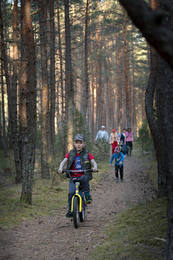
This bike trail runs through Võru County, over the wooded kames, through the bogs, around lakes and past the sandy expanses of Mustoja.
The 43-km trail recalls local military history by passing through a firing range used by the Estonian Defence Forces during the 1920s and 1930s. The 17-km section from Värska to the Southern Camp is fairly even, but the road back is longer (26 km) and more rugged. The starting point is at the State Forest Management Centre’s Värska campfire site, where you will find a detailed map of the trail.
Related stories
The beginning, course and conclusion of the Battle of Cēsis
The victory in the Battle of Cēsis was destined to become a turning point in the Latvian and Estonian struggle for the independence of their country. This victory put an end to the plans of the Andrievs Niedra government and the German general Rüdiger von der Goltz to conquer the Baltics. Instead, the Latvian Provisional Government of Kārlis Ulmanis resumed its activities in Liepāja.