



In the footsteps of Estonian Independence War
Day 2.
95 km
Viljandi–Mustla–Tõrva–Valga
Practical info
- Driving distance: ~95 km
- Opening hours and ticket information for Viljandi museum muuseum.viljandimaa.ee. Guided tours in English, Finnish and Russian by advance booking.
- In Viljandi there are walking paths in the castle park and a hiking trail around Lake Viljandi.
Sights
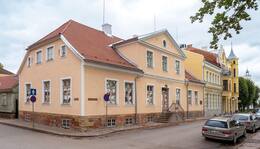
Museum of Viljandi
This museum is situated in the old pharmacy in the centre of Viljandi.
The main exhibition on both floors showcases the history of Viljandi County over the centuries. The museum also hosts unique temporary exhibitions.
Part of the main exhibition is dedicated to the military history of the region: World War I, the War of Independence, the declaration of the independence of the Republic of Estonia and World War II. The museum displays its military collections, including those of Lieutenant Colonel Martin-Friedrich Bergmann, Lieutenant Colonel Artur Tenno and Colonel Johannes-August Vellerind, consisting of their personal belongings, arms, documents, medals and decorations. Also on display is the collection of medals uncovered during the museum's renovations in 1999 belonging to the Sakala regional unit of the Defence League. The propaganda material and military equipment of both the Germans and the Soviets from 1940-1944 illustrate the World War II years and the dismantling of the Republic of Estonia. Part of the exhibition is dedicated to the mass deportations that took place and to the resistance movement of the Forest Brothers. The museum also screens films outlining the exhibitions.
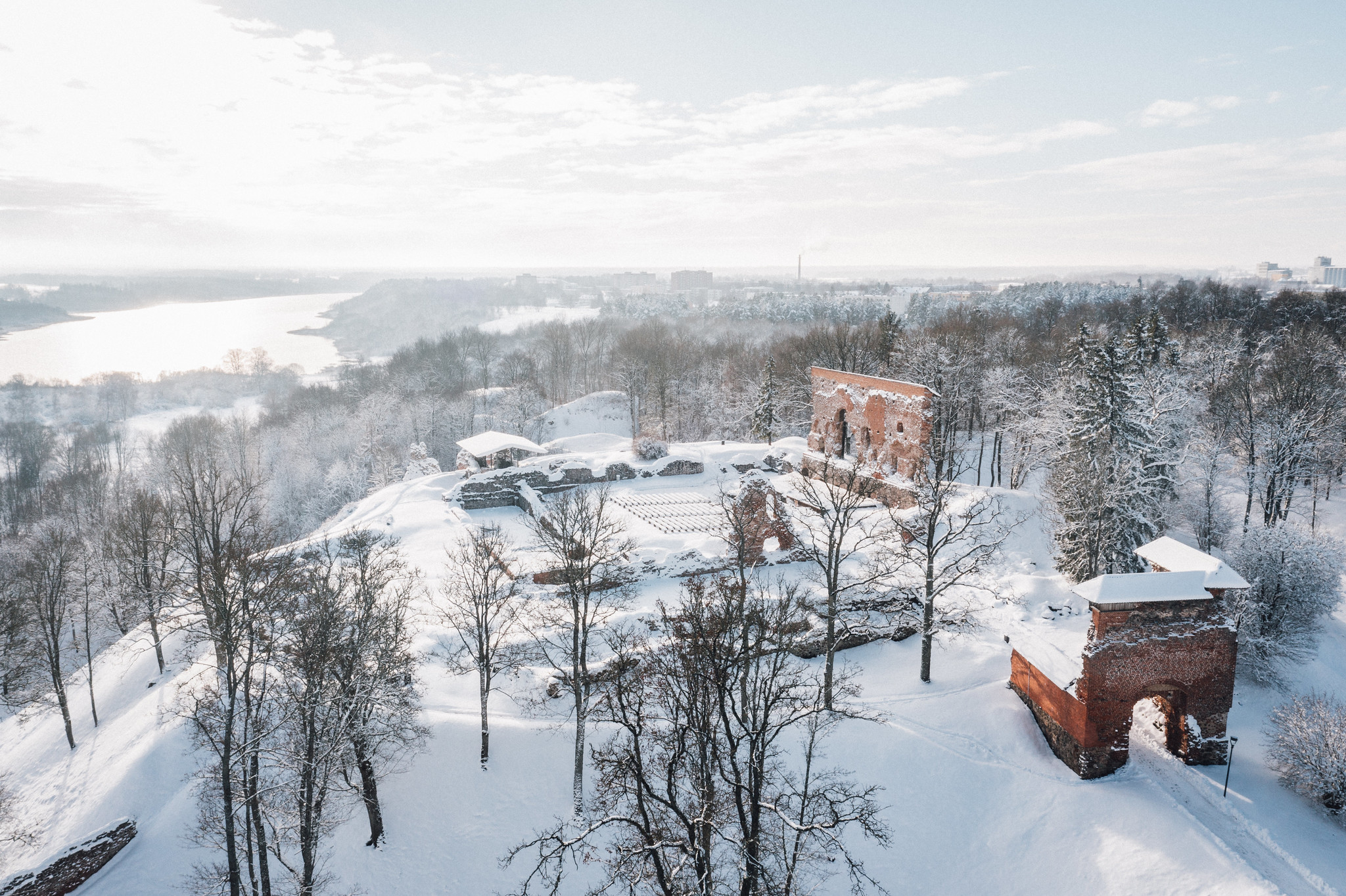
Ruins of the Viljandi Order Castle
The stone castle started to appear in the place of the former Estonian stronghold in 1224. The fortress got its final shape and size at the beginning of the 16th century, becoming one of the distinguished fortresses in Estonia and Latvia. Due to wars between Sweden, Poland and Russia, all that is left from the entire order castle today are just a few stone walls.
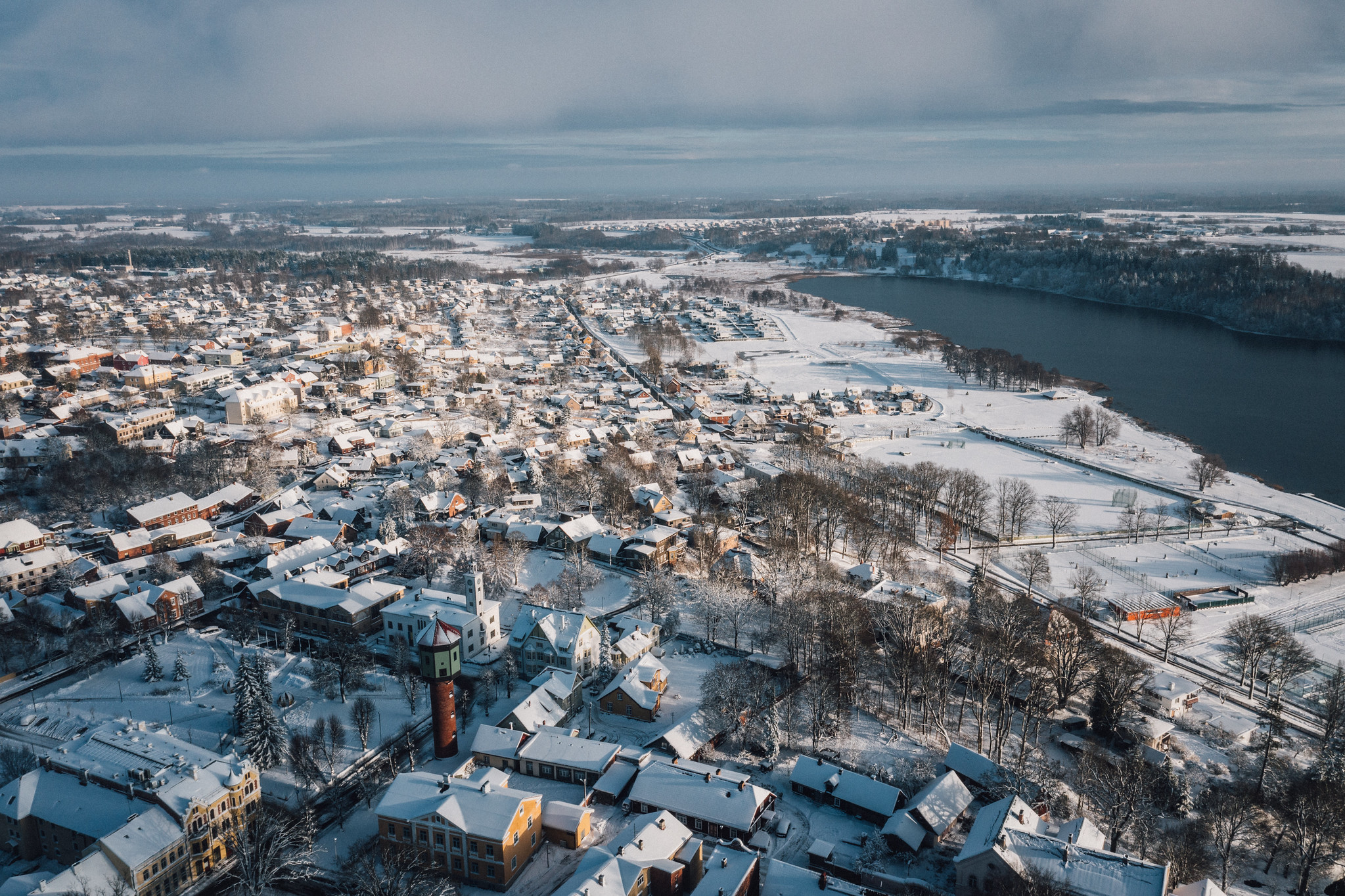
Already at the beginning of the last century, the ruins of the fortress and the park around it were turned into a recreational area for the residents of Viljandi. In order to access the castle hills from town, a rope bridge was build from the Kaeuvumägi hill over the 13 m deep trench in 1931. From the ruins, you have the most beautiful view over Lake Viljandi.
Lake Viljandi
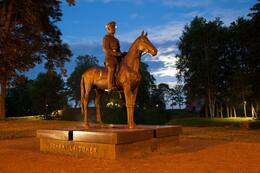
Monument of General Johan Laidoner
The equestrian statue of General Johan Laidoner is situated near the castle hills in Viljandi.
This monument, designed by sculptor Terje Ojaver, was unveiled in 2004.
Dedicated to Commander-in-Chief General Johan Laidoner, it was the first and to date remains the only equestrian statue in Estonia. The prominent military man and politician, who was born in the county, was the first honorary citizen of Viljandi.
Place of Birth of General Johan Laidoner
The farmhouse on Raba Farm in the village of Vardja, where General Laidoner was born, has not survived. It is thought to have been destroyed before World War II, as a monument was erected in its place in 1937. The monument was demolished in 1940 and restored in 1990. In recent years people have been regularly placing candles at the old farmstead on the general's birthday, 12 February.
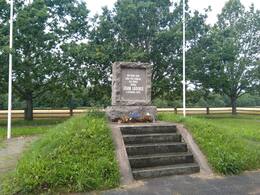
Monument to the War of Independence in Tarvastu
This monument was unveiled on 23 June 1937 in the small borough of Mustla. It was demolished on 18 June 1941 during the Soviet occupation before being unveiled anew on 12 July 1942 during the German occupation. In 1948 it was demolished again, and in 1990 the restored variant was unveiled. The monument was restored as per the original, with only some minor alterations. The centrepiece of the monument is its bronze soldier, who holds a flag in one hand and a shield depicting three leopards in the other. He stands on a granite plinth, which in turn rests on a two-stepped footing. The helmet being worn by the soldier is worth mentioning: it was modelled after the famous German Stahlhelm, reflecting the ‘colourful’ supply situation during the War of Independence.
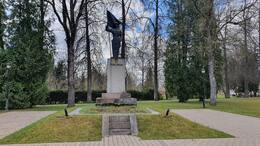
Pikasilla battle field
This is a part of the defence line Walk. The Valga defence line (Walk) was built along the Väike Emajõe-Koiva river line in early June 1944. The northern part of the line ended at Lake Võrtsjärv and ran from Pikasilla almost all the way to Ligaste Manor, located on the left bank of Väike Emajõgi. The defence line consisted of two defence belts, occasionally reaching a depth of 10-12 kilometres. The front line was covered with barbed wire and mine fields. All bridges on Väike Emajõgi and Koiva rivers were destroyed (though the Pikasilla and Jõgeveste bridges were only destroyed at noon on 26 August) and all bridges behind the defence line were ready to be destroyed.
The Red Army planned the liquidation of the German and Estonian forces located at the Narva front with an attack via Tartu from their back. To conduct the plan, the Red Army 3rd Baltic Front leadership sent four units to the Emajõgi line. Their task was to cross Emajõgi River and, with a circular movement over the northern bank of Lake Võrtsjärv, occupy Northern Estonia with the German 18th Army located at the Narva front. They also planned to break German resistance on the Pikasilla-Valga line and cut off the German path of retreat towards Riga.
In Southern Estonia, the defence consisted of six divisions and smaller units of Wehrmacht’s XXVIII and XXXVIII Army Corps, with the rear defended by the 207th Reinforcement Division. At the beginning of the operation, the Red Army had a numerical advantage in manpower and battle equipment. The German forces mostly consisted of different battle groups and smaller units. The Omakaitse units participating in the defence were poorly equipped and had low battle morale.
On 27 August, the Red Army managed to cross Väike Emajõgi River at Pikasilla and held a small bridge head there. Until 13 September, the German and Estonian Omakaitse division managed to stop the advancing Red Army units on the defence line Walk. On 14 September, the divisions of the 3rd Red Army Baltic Front began their assault, breaking through the line of defence on 17 September.
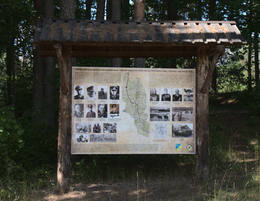
War of Independence Memorial Column
Interesting facts: Schoolboys gave the monument the friendly name Juku.
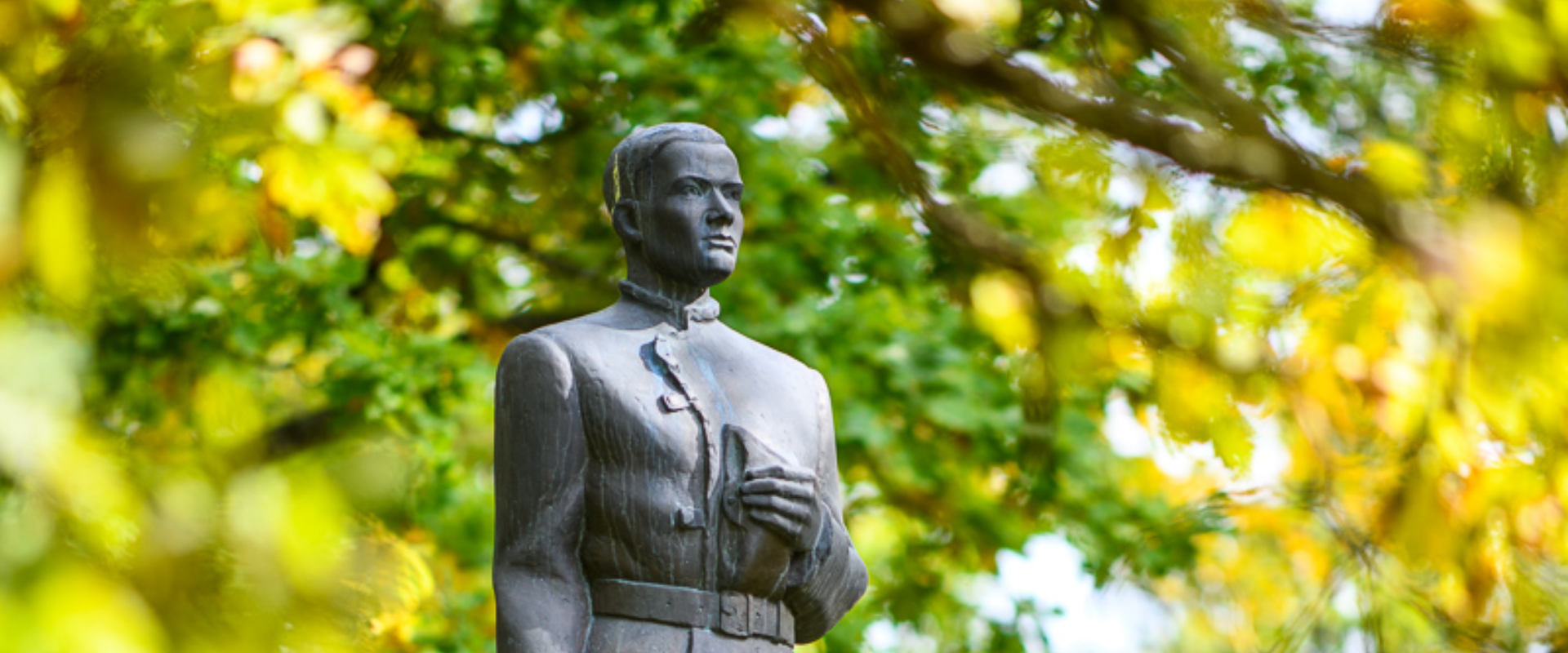
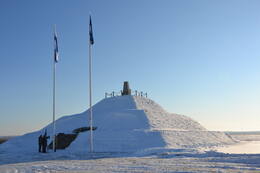
Monument of Paju Battlefield
The Battle of Paju took place on 31 January 1919 during the War of Independence between the Tartu-Valga army group of the Estonian People's Force and the Red Army Latvian Riflemen for control over Paju Manor. The battle resulted in the Estonians gaining control over the strategically important town of Valga and its railway turnout. Julius Kuperjanov, who led the Estonian offensive, was fatally injured in the battle.
This monument was designed by architect Georg Saar. A campaign was organised to raise money for the monument. On 12 June 1938, the cornerstone was laid by General Johan Laidoner. The base was completed in 1940, but the monument itself went unveiled due to the Soviet occupation. On the 75th anniversary of the Battle of Paju on 30 January 1994, President Lennart Meri finally unveiled the monument.
Places to eat
Cafe “Läti Saatkond” (“Latvian Embassy”) in Tõrva village
In the heart of Tõrva, a unique place awaits you – Läti Saatkond (Latvian Embassy) Café.
Here you can take a pleasant break, meet friends, enjoy a quick lunch, or celebrate an important event. The café's caring, hospitable hosts create an environment where you always feel welcome.
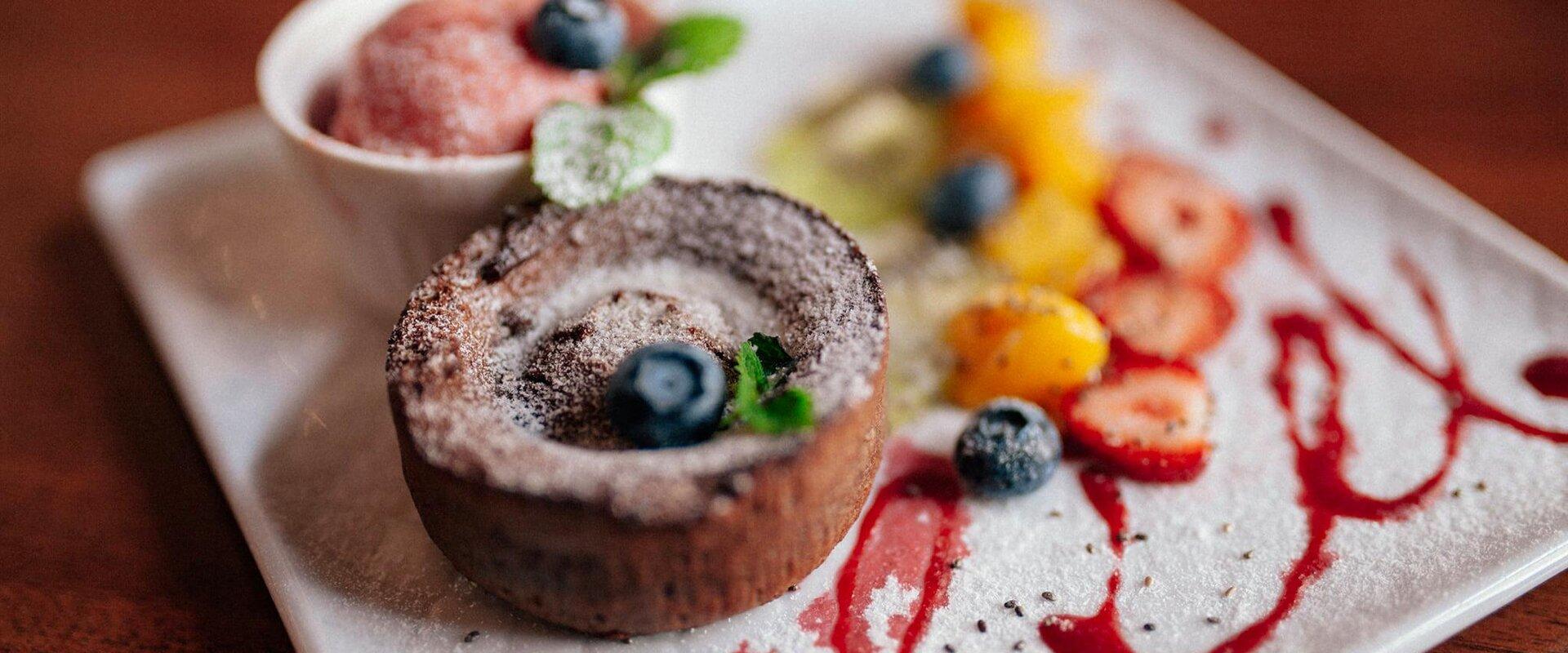
The à la carte menu offers diverse flavors – there are both warm dishes and delicious snacks to choose from. Enjoy homemade cakes as good as those baked at home with a cup of coffee. Families with children are also considered here, as there is plenty of space and the atmosphere is calm and friendly.
The great wish of the Läti Saatkond Café is to bring metropolitan shine to Tõrva and make the small town of Tõrva the metropolis of South Estonia! That's why it has become one of the most beloved meeting places where both locals and guests feel at home.
Come and spend time at the café, where every cup of coffee and every conversation is part of a bigger story – your own!
Meeting place — Läti Saatkond Café
In Viljandi visitviljandi.ee
Places to stay
In Valga visitvalgavalka.com